A growing body of medical research now suggests that Polycystic Ovary Syndrome (PCOS), long thought to affect only women, may also show signs in men and children. Experts are raising the alarm that symptoms often attributed exclusively to women may appear in others but are frequently overlooked.

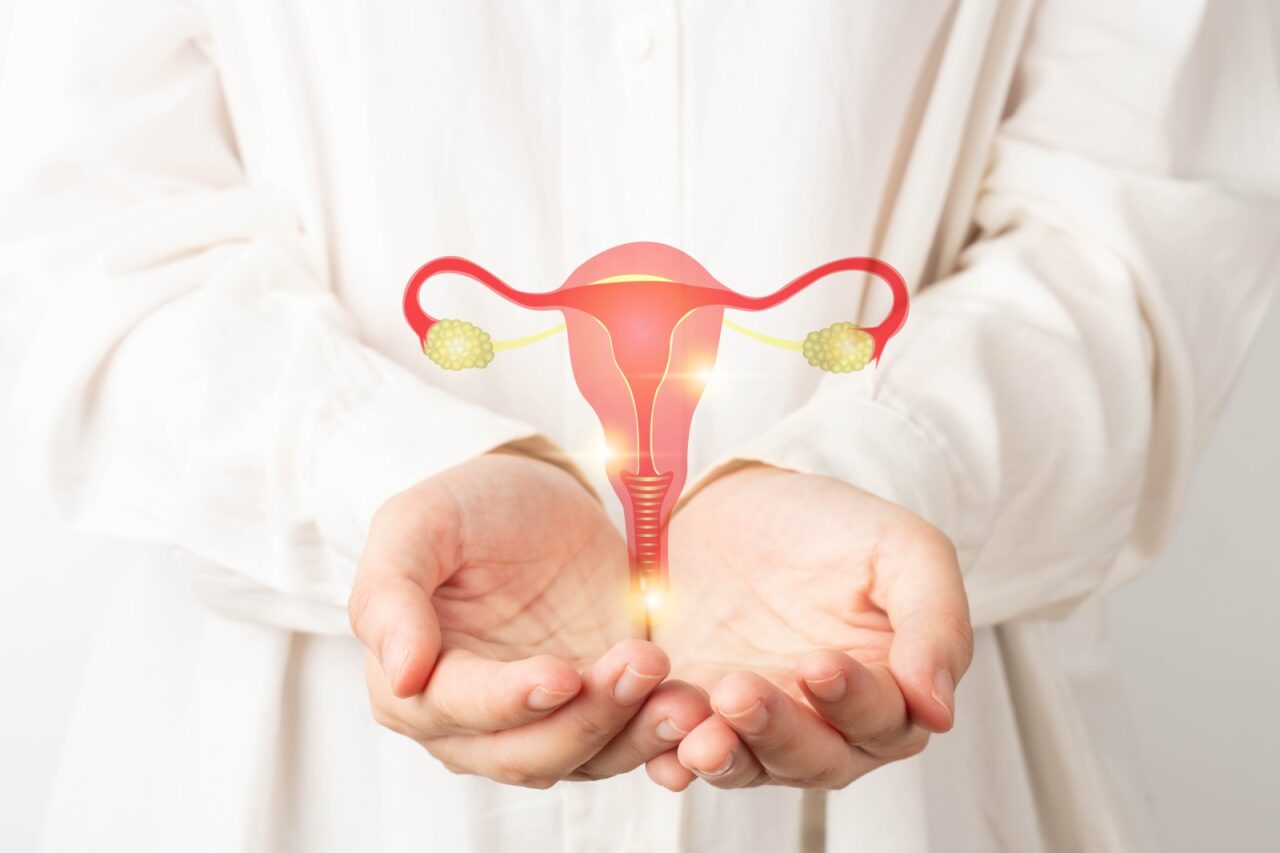
PCOS is an endocrine disorder characterised in women by irregular periods, excess androgen (male sex hormone) levels, acne, weight gain, and sometimes infertility. While the ovaries play a role in female PCOS, new findings imply that its hormonal and genetic roots extend beyond reproductive organs.
One key study found that men who carry genetic risk factors associated with PCOS in women tend to have higher chances of obesity, early‐onset male‐pattern baldness, type 2 diabetes, and cardiovascular disease. This suggests that although they do not have ovaries, men can still manifest features that mirror some of the metabolic and hormonal disturbances seen in PCOS.
In men, a strong signal of concern is early androgenetic alopecia pattern hair loss beginning before age 30 or 35. Studies show that many young men suffering this hair loss also have hormonal markers similar to those seen in PCOS, including changes in levels of luteinizing hormone (LH), follicle stimulating hormone (FSH), and sex‐hormone binding proteins. They also often show signs of insulin resistance, a condition in which the body handles insulin badly, increasing risk for metabolic disease.
Children, particularly daughters of women with PCOS, may also be at higher risk. Studies suggest that children born to mothers who have PCOS show a greater tendency for overweight, obesity, and earlier metabolic issues. Some symptoms such as increased fat around the waist, weight gain, and hormonal changes can appear during childhood or adolescence. These early signals could foreshadow more serious issues later if not addressed.
Health specialists say awareness matters. Since many of these signs of hair loss in men, weight gain in children are common and can result from many causes, PCOS‐related symptoms are often ignored. Early recognition of hormonal imbalance and metabolic risk could allow for better prevention and treatment. Interventions such as lifestyle changes (healthy diet, exercise), screening for insulin resistance, and monitoring other metabolic markers are being suggested.
In essence, PCOS should not be thought of only as a woman’s reproductive issue. Its impact may extend to male relatives and children. Researchers call for broader screening, more studies, and greater public awareness so that those who show symptoms can receive timely help.