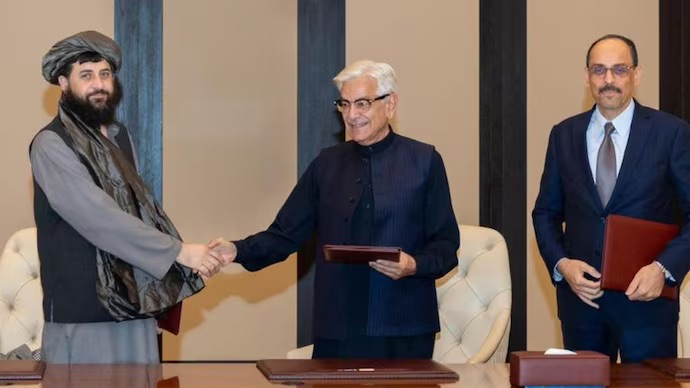
The Pakistan-Afghanistan ceasefire has drawn global attention after both nations agreed to stop hostilities following a week of fierce border clashes. This rare pause signals a fragile hope for peace in a region often defined by deep mistrust and recurring violence. But the key question remains: will this truce last or fade like previous attempts?
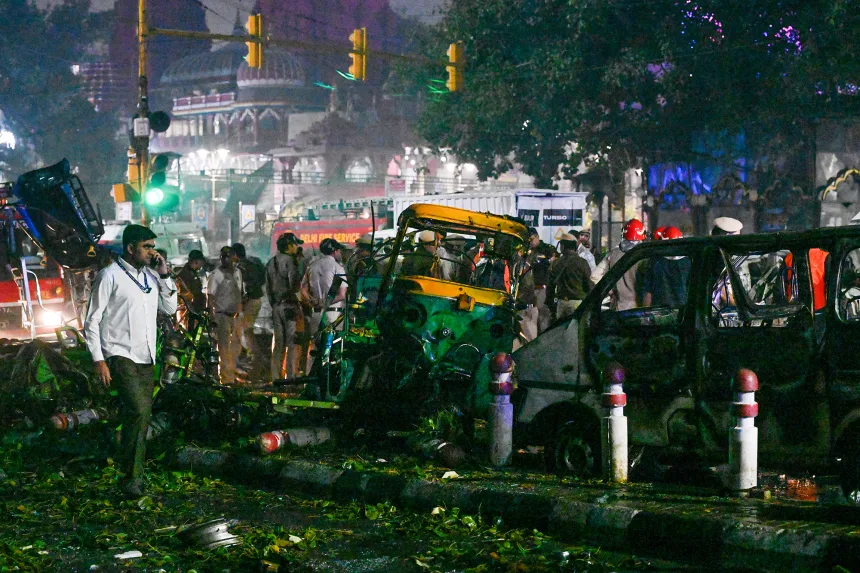
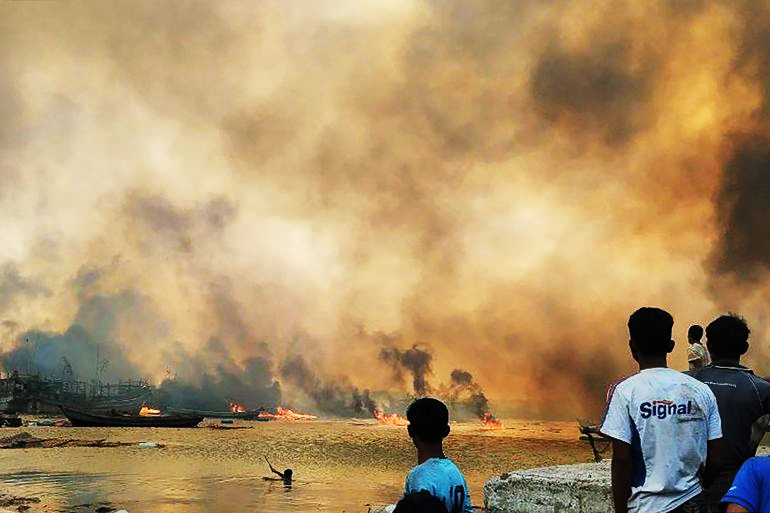
The ceasefire was reached after days of heavy cross-border fighting that left dozens dead and forced thousands to flee. Both sides have now agreed to halt airstrikes and ground attacks, promising to respect territorial boundaries and reduce military activity near civilian areas.
The decision reportedly followed mediation by neutral countries aiming to prevent a full-scale conflict. Pakistan has accused militants in Afghanistan of launching attacks on its territory, while Afghanistan claims Pakistan continues to support insurgent movements across the border.
The 2,600-kilometer border between the two nations has long been a flashpoint. In the latest clashes, key trade crossings such as Chaman and Torkham were closed, cutting off supplies and stranding civilians. Families in nearby provinces were forced to relocate as artillery fire intensified.
While the ceasefire has offered temporary relief, residents remain skeptical. Many fear that without trust-building steps, violence could erupt again at any moment.
Decades of suspicion continue to define Pakistan-Afghanistan relations. Islamabad insists that Kabul must crack down on anti-Pakistani militants operating from Afghan soil. Kabul, on the other hand, denies harboring such groups and accuses Pakistan of cross-border interference.
This mutual blame game has derailed past peace efforts, and unless both sides change their approach, this ceasefire may face the same fate.
The agreement mentions plans for future meetings to discuss implementation, but there are no concrete mechanisms in place to verify compliance. Without joint patrols, neutral observers, or digital monitoring, even minor incidents could escalate quickly.
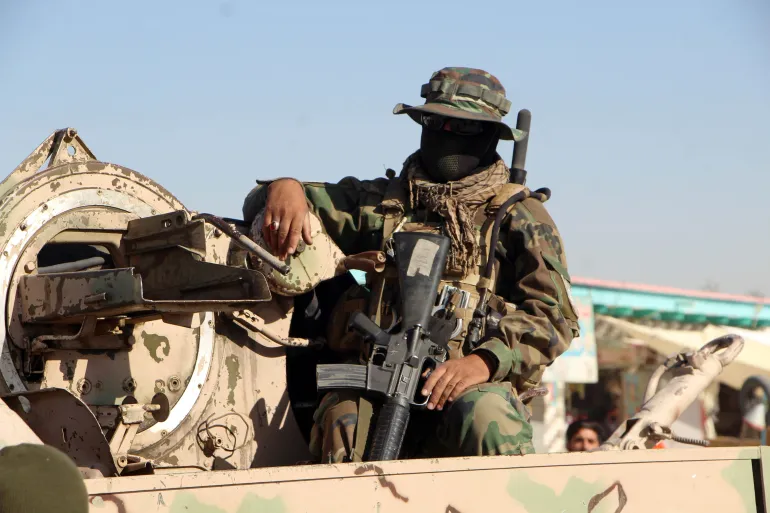
The mountainous border regions remain home to various militant groups that thrive in the power vacuum. These groups have no interest in peace and could easily sabotage the truce. Unless both governments coordinate to control these elements, the ceasefire could crumble under renewed attacks.
What Needs to Happen for the Ceasefire to Hold
Strong Verification Mechanisms: Both sides must agree on a transparent monitoring process that can quickly identify and address violations.
Diplomatic Consistency: Regular dialogue and confidence-building steps are essential to prevent misunderstandings.
Economic Cooperation: Restoring trade routes and cross-border markets can give civilians a tangible reason to support peace.
Crackdown on Militants: Both nations need to target extremist groups that operate along the frontier without using them for political leverage.
These steps could turn a temporary truce into the foundation of a longer-term peace agreement.
The Pakistan-Afghanistan ceasefire marks a cautious but meaningful step toward stability. After years of mutual hostility, both nations have recognized the heavy cost of ongoing conflict. Yet, promises alone will not secure peace.
Real progress will depend on how each side handles militants, respects borders, and prioritizes dialogue over aggression. If implemented sincerely, the ceasefire could signal a turning point for the region. But without accountability and cooperation, it risks becoming another short-lived pause in a cycle of recurring violence.