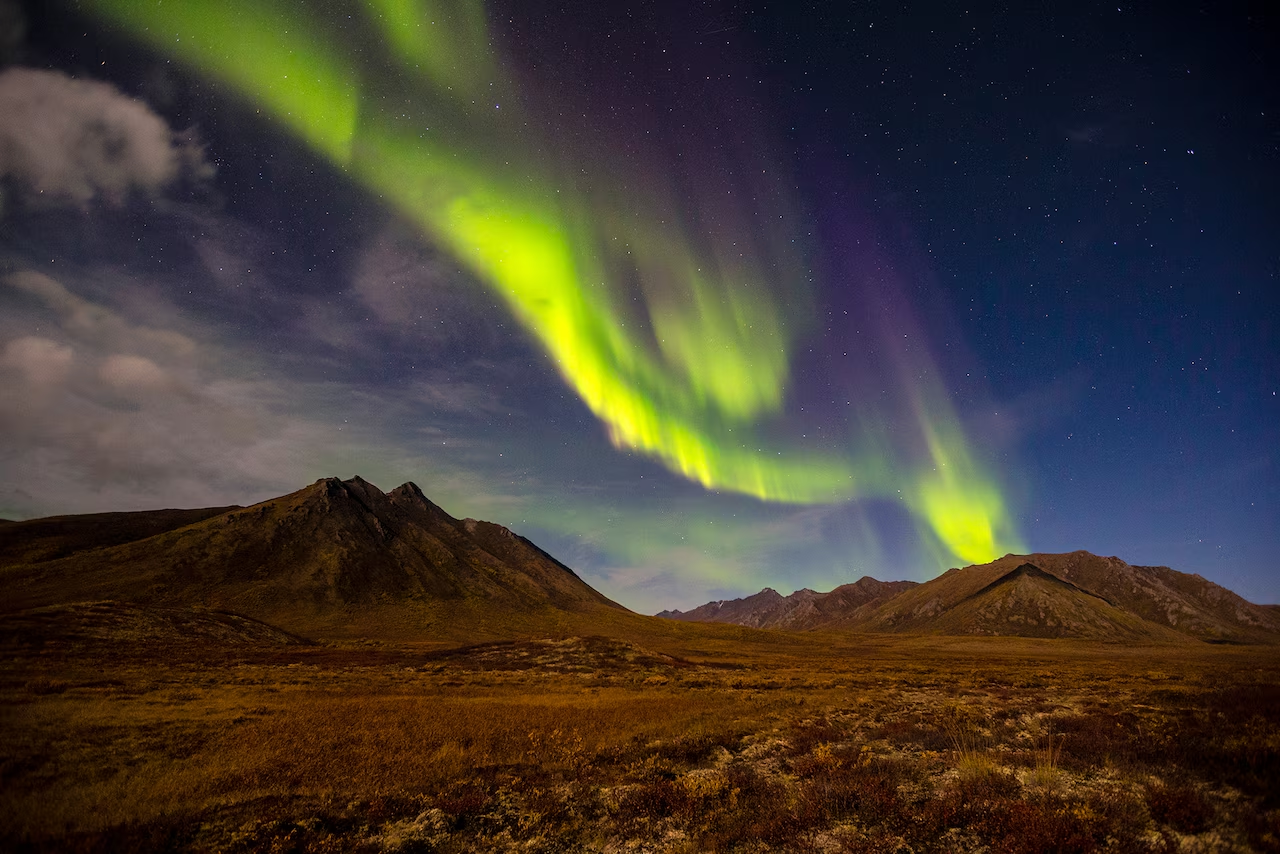
Canada stands as one of the world’s premier destinations for witnessing the aurora borealis, and 2026 represents a once-in-a-decade opportunity.
Experience Nature’s Greatest Light Show During the Solar Maximum Peak
With the solar maximum reaching its peak through March 2026, the northern lights are displaying unprecedented intensity and frequency, creating some of the most breathtaking celestial shows in recent memory.
Why 2026 is the Year to See the Northern Lights
The Sun follows an 11-year cycle of magnetic activity, and we’re currently experiencing the solar maximum, the period when solar activity is at its highest. According to NASA and the National Oceanic and Atmospheric Administration, this solar maximum is expected to peak through March 2026, resulting in more frequent and intense aurora displays that can even be visible at lower latitudes than usual.
The increased solar flares during this period produce more widespread aurora displays, with some of the strongest auroral activity recorded in the past 500 years occurring in May 2024. This makes 2026 an exceptional year for aurora chasers worldwide.
Understanding the Aurora Borealis
The northern lights form when charged particles from the sun collide with Earth’s atmosphere. These solar wind particles interact with oxygen and nitrogen molecules, releasing energy as visible light. Oxygen produces the familiar green and red colors, while nitrogen creates purples, blues, and pinks. The various shapes—from shimmering curtains to dynamic spirals are influenced by Earth’s magnetic field.
Best Times to See Northern Lights in Canada
Optimal Viewing Season
The northern lights season in Canada runs from late August through mid-April, with peak viewing occurring during the winter months of December through March.
This period offers
Longer nights providing extended viewing windows | Clearer skies with less cloud cover
Cold, dry air offering better visibility | Stable weather conditions in northern regions
Best Viewing Hours
The aurora is typically most active between 10 PM and 2 AM local time, though displays can occur earlier or last until dawn during strong geomagnetic storms.
Moon Phases Matter
Plan your trip around new moon or crescent moon phases. A bright full moon can wash out the aurora’s colors and reduce visibility. NASA’s interactive moon guide provides daily updates for 2026 planning.
Equinox Advantage
Geomagnetic activity increases around the spring and autumn equinoxes.
March 20, 2026 (Spring Equinox) | September 23, 2026 (Autumn Equinox)
During these periods, Earth’s orientation allows solar wind to interact more directly with the magnetosphere, enhancing aurora displays.
Top Northern Lights Viewing Destinations in Canada
1. Churchill, Manitoba: The Aurora Capital
Best for: Highest viewing probability and polar bear encounters
Churchill sits directly under the auroral oval, making it the best place to see northern lights in Canada. The aurora is visible here up to 300 nights annually—the highest frequency of any accessible location in North America.
Key Features
Aurora visible from late August through April | Peak viewing: January to March
Remote location on Hudson Bay shores | Accessible only by plane or train from Winnipeg (2-hour flight)
Bonus: World’s polar bear capital | Churchill Northern Studies Centre offers research-based experiences
What Makes It Special: The town’s position directly beneath the auroral oval means consistently active, colorful displays even during moderate geomagnetic storms.
2. Yellowknife, Northwest Territories: The Crown Jewel
Best for: Consistent viewing and diverse winter activities
As the capital of Northwest Territories, Yellowknife offers the perfect blend of accessibility and exceptional aurora viewing. The lights appear here up to 240 nights per year, with cold temperatures and clear, dark skies creating an ideal canvas.
Key Features
Aurora visible late August through April | Peak season — August to October and January to March
Well-connected by air from Vancouver and Calgary | Located on Great Slave Lake shores
Famous winter ice road experiences | Multiple Indigenous-led cultural tours
Viewing Locations
Aurora Village: Iconic teepee village on the Ingraham Trail with heated viewing facilities
Blatchford Lake Lodge: Remote luxury lodge accessible only by bush plane
Various lakeside locations away from city lights
Activities: Dog sledding, snowmobiling, ice fishing, Indigenous storytelling, and winter festivals including the Snowking Winter Festival in March.
3. Whitehorse, Yukon: Mountain Majesty
Best for: Dramatic landscapes and the exclusive Aurora 360 flight experience
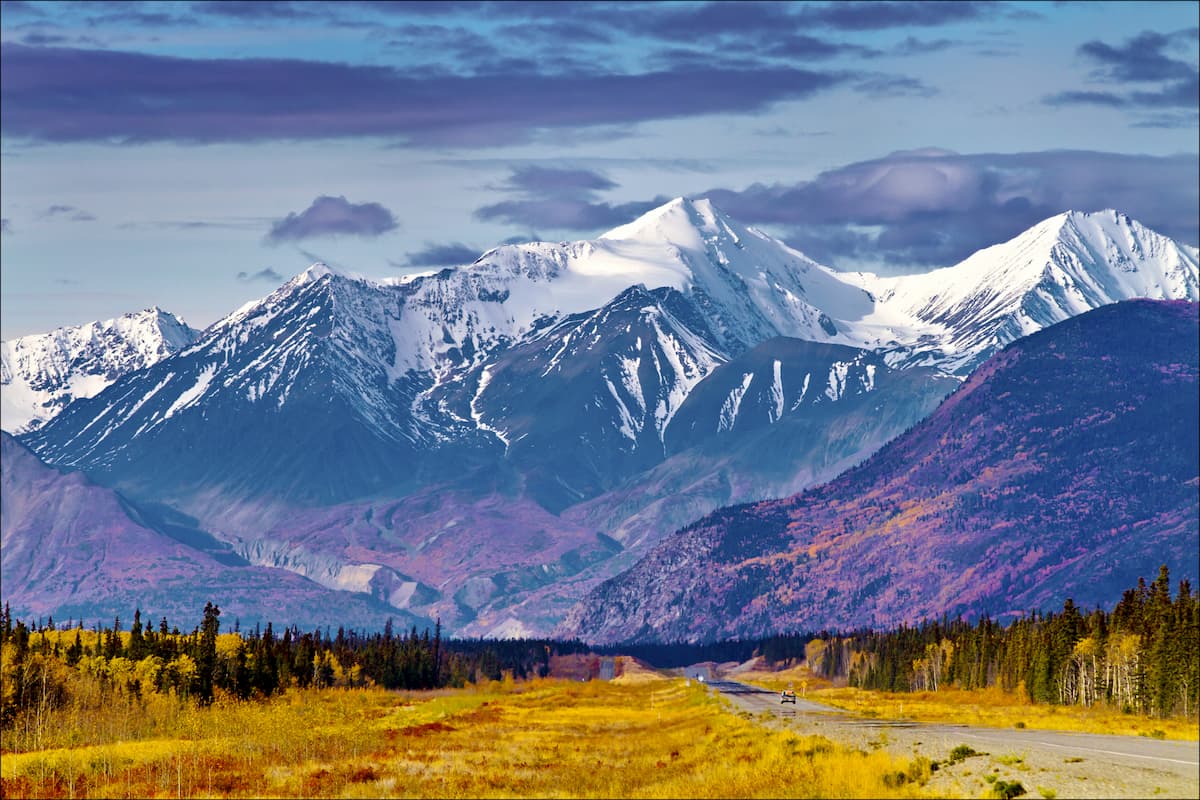
Whitehorse combines spectacular aurora viewing with stunning mountain scenery. The city’s location beneath the auroral oval and minimal light pollution make it ideal for photography.
 Key Features
Aurora visible late August through April | Best viewing — September through March
Accessible via air from Vancouver | Located in pristine Yukon wilderness
Home to the Northern Lights Resort & Spa | Exclusive Aurora 360 flight experience
Special Highlight: The Aurora 360 flight returns in February 2026, offering a rare opportunity to view the aurora from 30,000 feet aboard a private Air North charter. This six-day package (February 12-17, 2026) guarantees window seats above the Arctic Circle and includes stays in Alpine or Aurora Glass Chalets with panoramic views, hot tubs, and floor-to-ceiling windows.
Viewing Locations
AuroraCentre: Dedicated facility with heated shelters
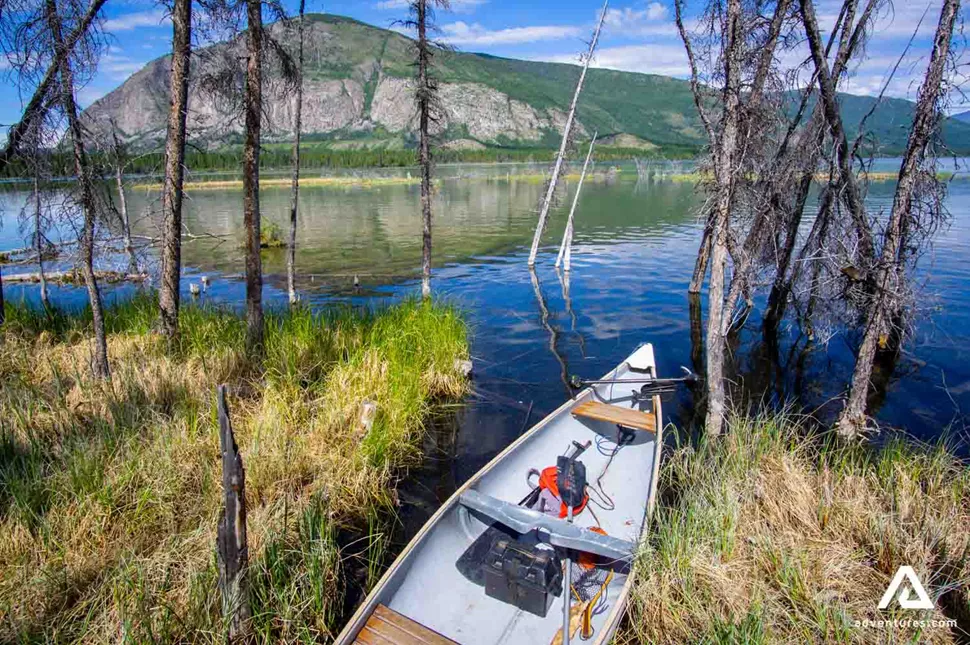
Marsh Lake: 35 minutes from Whitehorse, clear lakefront views
Kluane National Park: Remote wilderness setting
Activities: Snowmobiling, dog sledding, Eclipse Nordic Hot Springs, Yukon Wildlife Preserve visits, and nature walks.
4. Jasper & Banff, Alberta: Dark Sky Paradise
Best for: Combining aurora viewing with mountain adventures
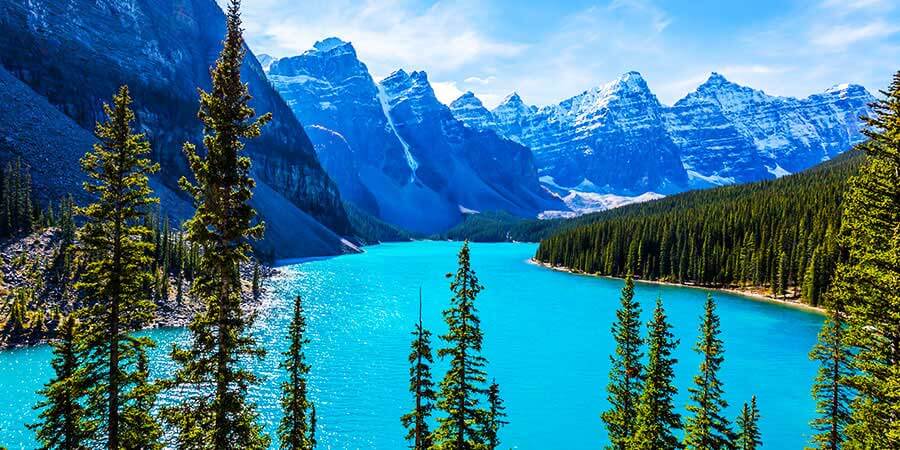
The Canadian Rockies aren’t just for summer tourism—these iconic national parks offer exceptional northern lights viewing against the backdrop of dramatic mountain peaks and turquoise lakes.
Jasper National Park
World’s second-largest Dark Sky Preserve | Extremely low light pollution | Annual Dark Sky Festival in October | Best viewing locations — Dark-sky viewpoints throughout the park
Banff National Park
Multiple recommended viewing locations far from city lights
Cascade Pond: Clear northern horizon views
Lake Minnewanka: Large open skies ideal for photography
 Key Features
Aurora visible during geomagnetic storms (typically Kp 4+)
Best months — September through March
Accessible by car or bus from Calgary
Extensive winter activities and luxury accommodations
 Activities: Wildlife tours, hot springs, gondola rides, dog sledding, snowshoeing, Indigenous experiences, and world-class skiing.
5. Additional Prime Viewing Locations
Inuvik, Northwest Territories
Canada’s northernmost town
Aurora visible 240 nights per year (August to early May)
Above the Arctic Circle | Direct views of colorful auroral arcs
Iqaluit, Nunavut
Aurora visible 200+ nights annually | Peak activity: 10 PM to 1 AM
Rocky tundra backdrop | Remote Arctic experience
Tuktoyaktuk, Northwest Territories
Considered Canada’s northern lights capital | 300+ nights of aurora annually
Flat, treeless landscape for unobstructed views | Best time — Late September to early April
Watson Lake, Yukon
Remote northern location | Great viewing September through early April | Historic signpost forest attraction
Indigenous Cultural Experiences
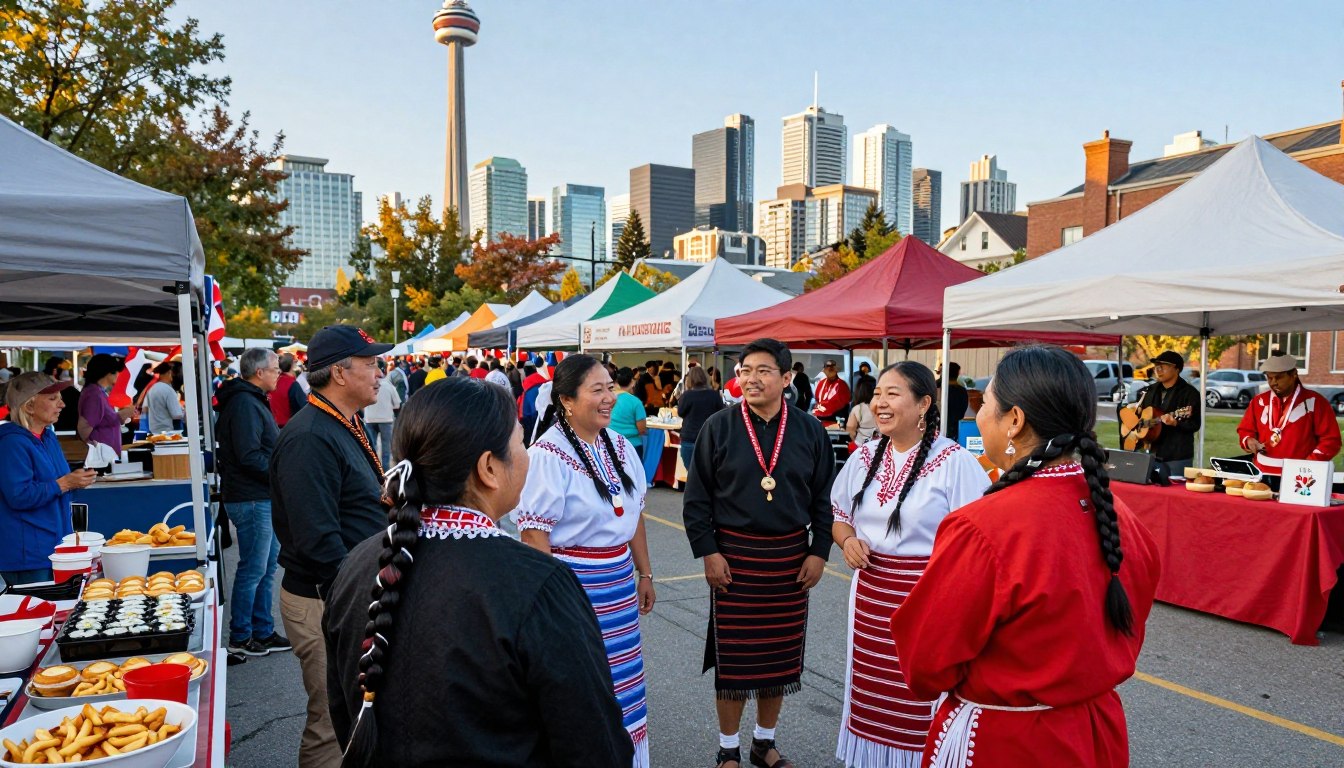
Northern lights viewing in Canada offers unique opportunities to connect with Indigenous cultures for whom the aurora holds deep spiritual significance.
Authentic Indigenous-Led Tours
B-Dene Adventures (Yellowknife): Run by the Yellowknives Dene people, this company offers the only Indigenous-operated aurora tours in Yellowknife. Experience includes:
Traditional drum circles and storytelling | Fresh-grilled whitefish and bannock around the fire | Cultural knowledge sharing from Dene elders
Aurora viewing from heated teepees | Mini snowmobile-sled rides to remote camps
Aurora Village (Yellowknife)
This iconic teepee village offers great experiences like ….
Traditional Indigenous experiences under the aurora | Teepee private dining with three-course meals | Dog sledding and snowshoeing | Cultural performances and storytelling | Personal northern lights alert service
NARWAL Northern Adventures
Inuit-owned tourism company offers some great workshops like ….
Igloo-building workshops | Traditional cultural teachings | Family-run authentic experiences
North of 60 Aurora Adventures
Indigenous-owned operation features experiences like ….
Lakeside aurora viewing | Dog sledding from traditional perspectives
Ice fishing demonstrations | Storytelling about the cultural significance of the aurora
Cultural Significance
Many Indigenous peoples of northern Canada have rich traditions and stories about the aurora. Some believe the lights are spirits of ancestors, while others see them as celestial beings playing games in the sky. These cultural perspectives add profound depth to the viewing experience.
Planning Your Northern Lights Trip
Essential Aurora Forecast Tools
Modern technology makes it easier than ever to predict aurora activity. Use these apps and websites….
Mobile Apps
My Aurora Forecast & Alerts: Free push notifications, KP index tracking, location-specific forecasts
Aurora Forecast & Alerts: Interactive map, customizable alerts, 27-day forecasts
KP Index Forecast: Live KP tracking, cloud cover data, moon brightness, NOAA bulletins
What to Track
KP Index (0-9 scale): Measures geomagnetic activity
-
- KP 0-2: Aurora visible in far northern regions
- KP 3-4: Good viewing in Yellowknife, Churchill
- KP 5+: Aurora visible at lower latitudes (Banff, Jasper)
- KP 7+: Possible viewing in southern Canada
Solar Wind Speed: Higher speeds increase aurora likelihood
Bz Orientation: South-pointing magnetic field — stronger aurora
Cloud Cover: Clear skies essential for viewing
Moon Brightness: Darker skies show aurora colors better
Budget Planning
Budget Options ($1,000-2,000 CAD)
Amazing Aurora B&B (Yellowknife): Lake views, basic accommodations
Iceberg Inn (Churchill): Affordable aurora access | Self-guided viewing in Whitehorse or Yellowknife | Public transportation and local tour operators
Mid-Range ($2,000-5,000 CAD)
Grace Lake Villa (Yellowknife) — Quality aurora accommodations
Hidden Valley B&B (Whitehorse): Outdoor terraces, rustic comfort
Jasper Inn & Suites: Alberta Rockies aurora viewing
Organized aurora hunting tours with transportation
Luxury ($5,000-15,000+ CAD)
Northern Lights Resort & Spa (Whitehorse): Premier Yukon experience
Blatchford Lake Lodge (Yellowknife): Remote wilderness luxury, bush plane access
Aurora 360 Flight Package: $7,760+ per person, includes flights from London
Emerald Lake Lodge (Canadian Rockies): Mountain luxury with aurora viewing
What to Pack
Essential Gear
Extreme cold weather clothing (temperatures can reach -40°C/-40°F)
Multiple layers: thermal underwear, fleece, down jacket | Insulated winter boots rated to -50°C
Warm mittens (better than gloves), neck gaiter, thermal hat | Hand and foot warmers
Photography Equipment
DSLR or mirrorless camera with manual settings | Wide-angle lens (14-24mm ideal)
Sturdy tripod (essential for long exposures) | Extra batteries (cold drains power quickly)
Memory cards with high storage capacity | Cable release or remote shutter
Pro Tip: Many tour operators offer winter clothing rental packages, typically $30-75 CAD per day, saving luggage space and ensuring proper cold-weather protection.
Photography Tips
Camera Settings
ISO: 800-3200 (depending on aurora brightness) | Aperture: f/2.8 or wider for maximum light | Shutter Speed: 5-25 seconds (faster for active aurora)
Focus: Manual focus set to infinity | White Balance: 3200-4000K or auto
Composition Tips
Include foreground elements (trees, buildings, frozen lakes)
Use leading lines to draw eyes to the aurora | Shoot in RAW format for maximum editing flexibility | Take test shots to adjust settings | Bracket exposures for HDR processing
Remember: Cameras capture colors more vividly than human eyes, especially reds and purples. What appears as white or pale green to your eyes may show vibrant colors in photos.
Booking Your Trip
When to Book
6-12 months in advance for peak season (December-March)
3-6 months for shoulder season (September-November, April)
Accommodations fill quickly, especially during solar maximum
Tours often sell out weeks in advance
Package Options
Guided Tours: Most operators offer 3-7 night packages including….
Airport transfers and local transportation | Hotel accommodations
Multiple aurora viewing sessions (typically 3-4 nights) | Winter clothing rental
Daytime activities (dog sledding, city tours, cultural experiences)
Typical Itinerary (4 nights)
Day 1: Arrival, city orientation, first aurora viewing
Day 2: Daytime activities, cultural experiences, evening aurora hunt
Day 3: Adventure activities, remote aurora viewing location
Day 4: Final aurora session, departure preparations
Success Tips
Maximize Your Chances
Book at least 3-4 nights of viewing (weather backup)
Choose locations with high aurora frequency (Churchill, Yellowknife)
Visit during peak viewing months | Select accommodations outside city centers
Book tours with “aurora guarantee” policies (additional viewing if cloudy)
Avoid Common Mistakes
Don’t rely on one viewing night | Check moon phases before booking
Research average cloud cover for your dates | Book flexible cancellation policies
Don’t forget travel insurance
Day Activities While Aurora Chasing
Yellowknife Activities
Bush pilot tours and heritage centers | Ice fishing on Great Slave Lake
Dog sledding through boreal forests | Snowmobiling expeditions
Indigenous cultural center visits | Yellowknife city tours and diamond mine visits
Churchill Activities
Polar bear viewing (October-November) | Beluga whale watching (July-August)
Historic sites and cultural museums | Tundra buggy adventures | Aurora-watching heated vehicles
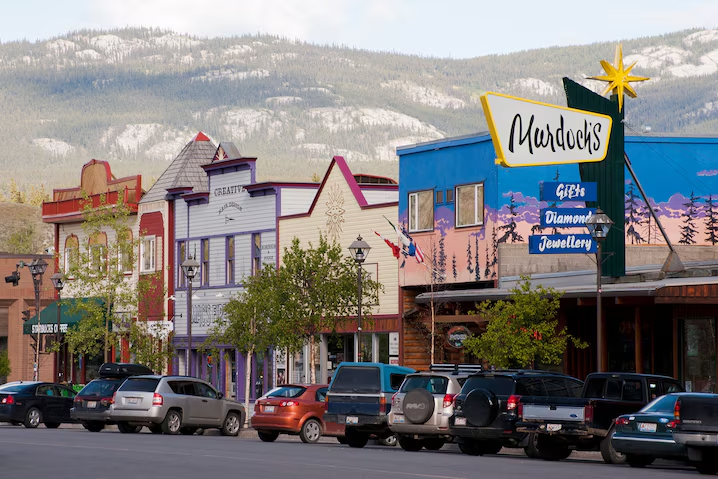
Whitehorse & Yukon Activities
Yukon Wildlife Preserve | Miles Canyon and Yukon River | Eclipse Nordic Hot Springs
Dog sledding and mushing | Gold Rush history sites in Dawson City | Snowshoeing through pristine wilderness
 Canadian Rockies Activities
World-class skiing and snowboarding | Hot springs soaking (Banff Upper Hot Springs)
Wildlife watching (elk, bighorn sheep, occasionally wolves) | Ice skating on frozen lakes
Gondola rides for mountain views | Indigenous art galleries and cultural centers
Accommodation Guide
Best Northern Lights Hotels by Location
Whitehorse, Yukon
- Northern Lights Resort & Spa: Luxury chalets with aurora views
- Aurora Inn (Dawson City): Yukon River location with jacuzzis
- Sundog Retreat: Riverside huts with outdoor jacuzzi, 30 minutes from Whitehorse
Yellowknife, NWT
- Blatchford Lake Lodge: Remote bush plane access, personal aurora alerts
- Grace Lake Villa: Lake views with quality accommodations
- Lou & Francis Guesthouse: Top-rated service and food
Churchill, Manitoba
- A Frame Chalet: Prime aurora accommodation
- Churchill Northern Studies Centre: Research facility with aurora programs
Canadian Rockies
- Fairmont Jasper Park Lodge: Royal family favorite
- Emerald Lake Lodge: Mountain luxury with dark-sky viewing
- Jasper Inn & Suites: Accessible aurora viewing in Jasper
Safety Considerations
Extreme Cold Safety
Frostbite can occur in minutes at -30°C or colder | Never go out alone in remote areas
Carry emergency supplies (blankets, food, phone charger) | Know frostbite symptoms: numbness, white or grayish skin | Take regular warm-up breaks indoors
Wildlife Safety
Bears (polar and grizzly) inhabit northern regions | Never approach wildlife | Travel with guides in remote areas | Store food properly | Follow all park and tour operator guidelines
Remote Location Safety
Cell service may be limited or unavailable | Inform someone of your itinerary | Carry emergency beacon in wilderness areas | Book with licensed tour operators | Check weather forecasts before heading out
Sustainable Aurora Tourism
Respect the Environment
Stay on designated paths and viewing areas | Pack out all trash | Don’t disturb wildlife or vegetation | Use red lights instead of white flashlights (preserves night vision)
Support Indigenous Communities
Book Indigenous-owned tour operators | Purchase authentic Indigenous art directly from artists | Learn about local customs and traditions | Practice cultural humility and ask permission before photographing
Minimize Light Pollution
Turn off unnecessary lights | Use minimal lighting for safety only | Support dark-sky preservation initiatives
Beyond the Aurora: Complete Northern Experience
Cultural Immersion
Visit Indigenous art galleries | Attend drum circles and cultural performances
Try traditional foods: Bannock, Arctic char, caribou, bison
Learn about aurora legends and creation stories | Support Indigenous-owned businesses
Winter Festivals
Yellowknife Snowking Winter Festival (March): Ice castle, live music, art
Jasper Dark Sky Festival (October): Astronomy and aurora programs
Yukon Sourdough Rendezvous (February): Dog sled races, heritage celebrations
Festival du Voyageur (Manitoba, February): French-Canadian winter celebration
FAQs: Northern Lights in Canada
Q: Can I see northern lights from Toronto or Vancouver? A: Rarely. During extreme geomagnetic storms (KP 7+), aurora may be visible, but northern destinations offer vastly better odds.
Q: What’s the success rate for seeing aurora? A: Churchill and Yellowknife offer 95%+ success rates over 3-4 nights during winter. Single-night chances vary with weather and solar activity.
Q: Is it safe to travel to northern Canada in winter? A: Yes, with proper preparation. Tour operators provide clothing and safety guidance. Cities like Yellowknife and Whitehorse have full services.
Q: Can I see aurora in summer? A: Aurora occurs year-round, but viewing requires darkness. Late August-early September offers fall colors with aurora viewing, while April offers spring conditions with longer daylight for activities.
Q: How much does a northern lights trip cost? A: Budget: $1,500-3,000 CAD; Mid-range: $3,000-6,000 CAD; Luxury: $6,000-15,000+ CAD including flights, accommodations, tours, and activities for 4-5 nights.
Q: Do I need a guide? A: Not required, but highly recommended. Guides know best viewing locations, provide transportation to remote sites, and offer cultural context and photography assistance.
Q: What if it’s cloudy? A: Book multiple nights and choose operators offering “aurora guarantee” policies with additional viewing opportunities if cloudy.
Ready to Chase the Aurora?
2026 represents a once-in-a-decade opportunity to witness the northern lights at their most spectacular. With the solar maximum peaking through March 2026, Canada’s pristine northern wilderness offers unparalleled access to this celestial phenomenon.
Whether you choose the consistency of Churchill, the infrastructure of Yellowknife, the mountain majesty of Whitehorse, or the dark skies of Jasper, Canada provides world-class aurora viewing combined with authentic cultural experiences, thrilling winter activities, and memories that will last a lifetime.
Start planning your northern lights adventure today — the aurora is waiting.
Quick Reference Guide
Best Overall: Churchill, Manitoba (300 aurora nights/year)
Most Accessible: Yellowknife, NWT (240 nights/year, excellent infrastructure)
Best for Photographers: Whitehorse, Yukon (dramatic landscapes, Aurora 360 flight) Best for Families: Jasper/Banff (diverse activities, easier access)
Peak Viewing Months: December-March (coldest but clearest)
Solar Maximum Peak: Through March 2026 Typical KP Needed — 2-3 (Yellowknife/Churchill), 4+ (Rockies)
Essential Websites
Aurora Forecasts: SpaceWeatherLive.com, NOAA Space Weather
Canada Tourism: DestinationCanada.com | Indigenous Tourism: IndigenousTourism.ca, DestinationIndigenous.ca | NWT Tourism: SpectacularNWT.com | Yukon Tourism: TravelYukon.com
Emergency Contacts
Northwest Territories: 911 or (867) 669-1111 | Yukon: 911 or (867) 667-5555
Churchill, Manitoba: (204) 675-8807
Travel safe, dress warm, and prepare for the experience of a lifetime.