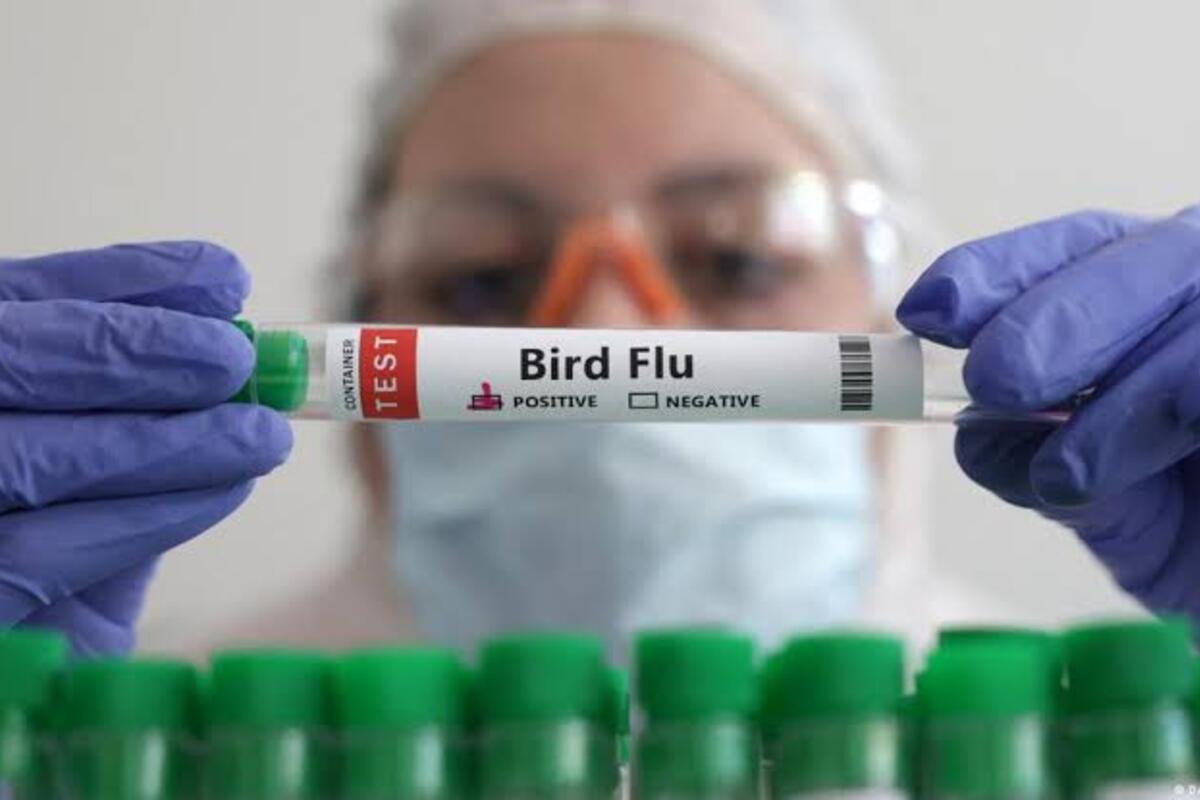
According to the United States Department of Agriculture, Nebraska has confirmed its first case of bird flu, also known as avian influenza, in a dairy cattle herd. Based on reports, the virus has continued to spread in livestock after an outbreak began last year.

Since the start of the outbreak in March 2024, dairy cattle in 17 states have been confirmed to be infected. Although reports of cases generally have slowed since last year, some other states, including California, Michigan, Nevada, Idaho, Arizona, and Texas, have also reported significant cases in herds this year
Based on the report from the Nebraska Department of Agriculture, the herd in Nebraska is located in the central part of the state and has been quarantined. The strain of the virus is similar to a strain from California, the top milk-producing state in the United States, which had a major outbreak last year and found more cases in 2025.
The cows infected with the bird flu often produce less milk, consume less feed, and suffer other symptoms. According to the United States Centers for Disease Control and Prevention, bird flu viruses circulating in dairy cows and birds pose a low risk to the general public. Even the pasteurized milk sold to consumers is safe because pasteurization has been shown to inactivate the virus. However, those who are most at risk of infection are farmers, animal care providers such as veterinarians, and other workers exposed to infected animals or animal products.
Based on the data collected by the CDC, it is estimated that the virus has infected 70 people, mostly workers on dairy farms, since its outbreak in 2024. The symptoms are similar to the common flu, including fever, body aches, chills, sore throat, tiredness, and eye irritation. The virus most often spreads among wild birds but can also infect poultry, livestock, and other mammals, including goats, coyotes, and opossums.
Currently, necessary interventions are being made by the United States Department of Agriculture in collaboration with the United States Centers for Disease Control and Prevention (CDC) to contain this virus and prevent further outbreaks in other states.