
Over the years, there has been a strong belief that urinary tract infections are majorly caused by poor personal hygiene. However, a new study suggests that many cases may actually be caused by infections of Escherichia coli bacteria from contaminated meat purchased in grocery stores.
Generally, UTIs are very common globally with about 400 million cases reported a year, prevalent more in female patients according to the U.S. Centers for Disease Control and Prevention. They usually occur when bacteria enter the urethra and infect the urinary tract.
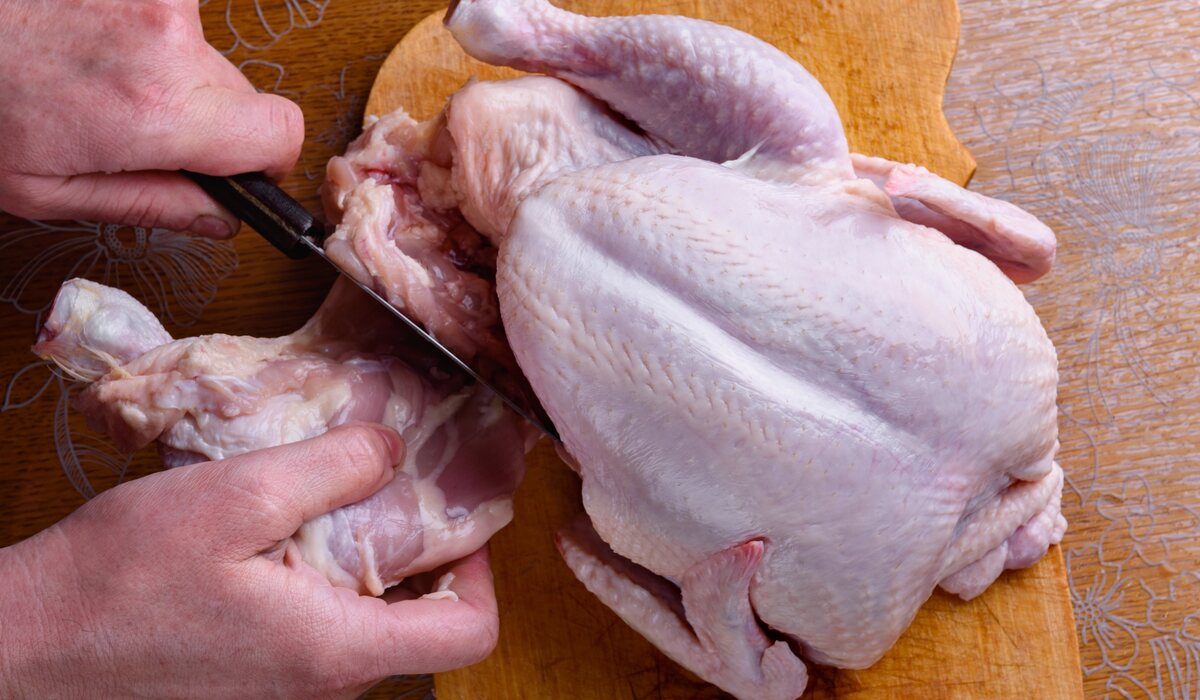

Meanwhile, this new study, published on Thursday in the science journal American Society for Microbiology sheds more light on the connection between food and urinary tract infections. It all started when researchers from George Washington University and Kaiser Permanente Southern California, working between 2017 and 2021, collected more than 5,700 Escherichia coli-positive urine samples from U.S. patients with UTIs who resided in Southern California.
The researchers also took samples from meats being sold at retail locations in the neighborhoods where those patients lived. By comparing those two sets of samples, the researchers were able to deduce that approximately one in five of those infections could be connected to exposure to Escherichia coli from contaminated meat that was purchased in the United States.
According to the study, the meats most commonly found to test positive for Escherichia coli were chicken (38%) and turkey (36%), followed by beef (14%) and pork (12%).
In a statement made by Lance Price, senior author of the study and professor of environmental and occupational health at George Washington University, he stated that urinary tract infections have long been considered a personal health issue, but their findings suggest that they are also a food safety problem. This opens up new avenues for prevention, especially for vulnerable communities that bear a disproportionate burden.
Based on the data collected from the study, people living in low-income areas had a 60% higher risk of foodborne UTIs compared to those in wealthier neighborhoods. Although the reasons for the strong correlation between poverty rate and foodborne UTIs are unclear, the authors stated that possible factors include inadequate food safety regulations, poor retail conditions and improper food handling and hygiene practices.
However, pending till when more strict measures are put in place by meat producers and regulatory agencies, the authors of the study advise consumers to be cautious when handling raw meat to prevent infection. Preventive measures to reduce exposure include thorough hand washing, avoiding cross-contamination, and ensuring proper cooking of meat products.