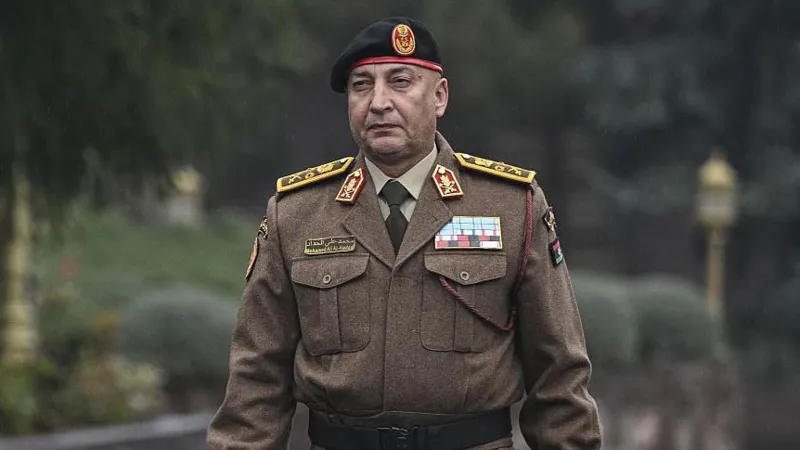
Libya’s army chief, General Mohammed Ali Ahmed al-Haddad, has been killed in an air crash in Turkey, Libyan and Turkish officials confirmed on Wednesday, in a development that has sent shockwaves through Libya’s fragile political and security landscape.
Fatal Crash After Departure From Ankara
Gen Haddad was among five people on board a Falcon 50 business jet that crashed shortly after taking off from Turkey’s capital, Ankara, on Tuesday evening. The aircraft was en route to Tripoli when it disappeared from radar, triggering an emergency search operation by Turkish authorities.
In a statement posted on X, Turkey’s Interior Minister Ali Yerlikaya said contact with the jet was lost at 20:52 local time (17:52 GMT), approximately 42 minutes after departure from Ankara’s Esenboğa Airport. The aircraft had earlier issued a request for an emergency landing, although the nature of the emergency was not immediately disclosed.
Wreckage Found in Central Turkey
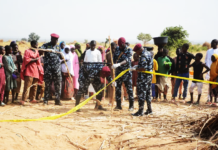
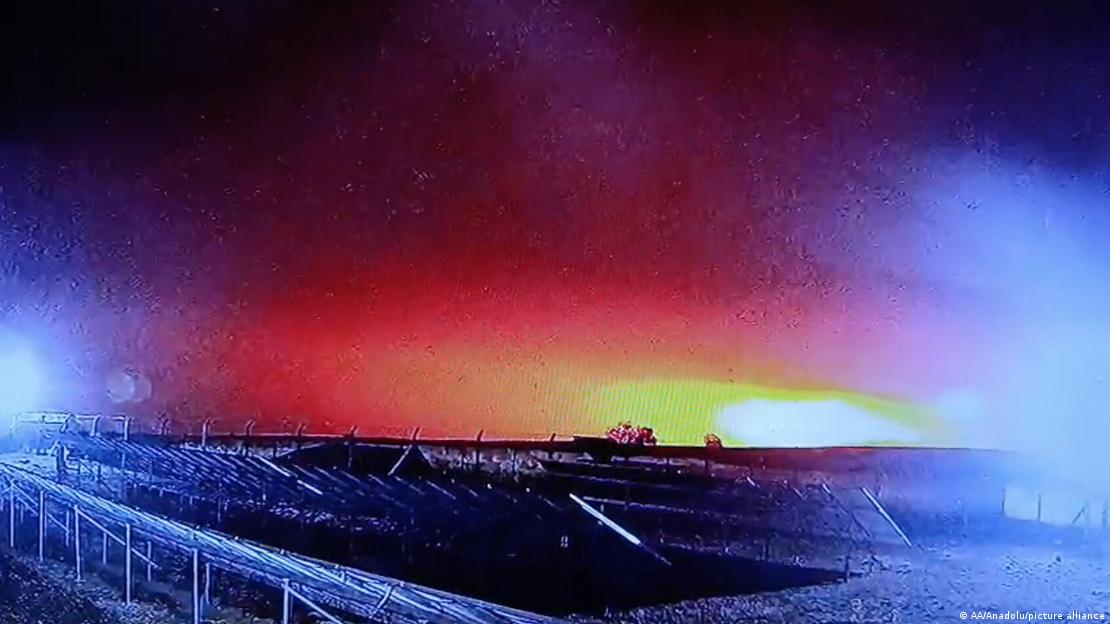
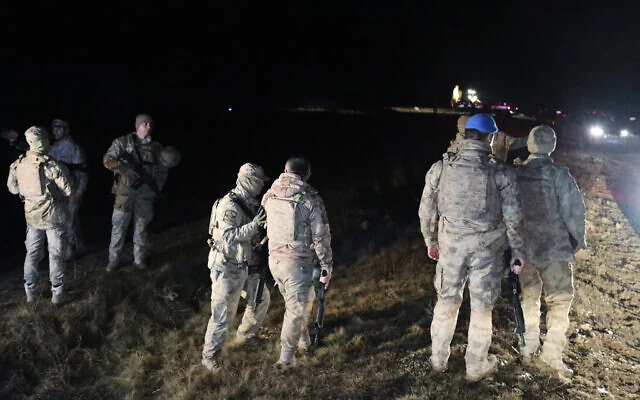
Turkish police and rescue teams later located the wreckage of the aircraft in a rural area south-west of Ankara. In a subsequent update, Yerlikaya said debris was discovered near the village of Kesikkavak, in the Haymana district, a sparsely populated region characterised by rolling hills and farmland.
Emergency responders confirmed that all five people on board were killed in the crash. Turkish authorities have launched a formal investigation into the cause, with aviation experts expected to examine flight data, weather conditions, and potential mechanical failure.
“The public will be informed of further developments,” Yerlikaya said, adding that relevant agencies were working to determine why the aircraft went down.
Libya Confirms Death of Senior Military Figures
In Libya, Prime Minister Abdul Hamid Dbeibeh of the internationally recognised Government of National Unity (GNU) confirmed the deaths in a statement issued early Wednesday.
Dbeibeh described the loss of Gen Haddad and the other senior officers as a “great loss” for the country, praising their service at a time when Libya continues to struggle with division, insecurity, and political uncertainty.
“Libya has lost men who served their country with sincerity and dedication,” the prime minister said, offering condolences to the families of the victims and to the armed forces.
The identities of the other passengers have not been formally released, but Libyan officials said they were senior military personnel involved in defence and security coordination.
Mission to Strengthen Military Cooperation
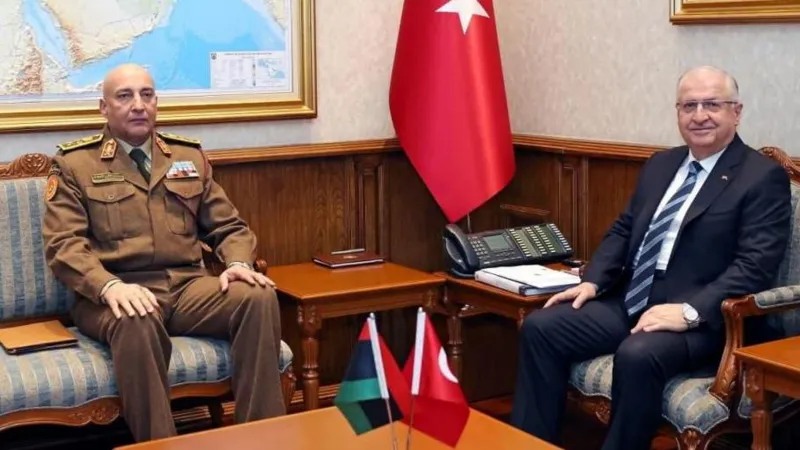
Gen Haddad and his delegation had been in Turkey for talks aimed at further strengthening military and security cooperation between Tripoli and Ankara, according to Libyan officials familiar with the visit.
Turkey has been one of the most influential foreign actors in Libya since 2019, when it intervened militarily to support the Tripoli-based government against an offensive by eastern-based forces led by General Khalifa Haftar.
The talks were reportedly focused on training, intelligence sharing, defence planning, and continued Turkish support for Libya’s armed forces, which remain fragmented more than a decade after the fall of Muammar Gaddafi.
Who Was General Mohammed Ali Ahmed al-Haddad?
General Haddad was a prominent figure within Libya’s western-based military command and served as chief of staff of the Libyan army aligned with the Government of National Unity.
He was widely regarded as a key link between Libya’s political leadership and its security institutions, playing a role in coordinating military units in and around Tripoli and liaising with foreign partners, including Turkey.
Supporters described him as a professional officer committed to rebuilding Libya’s national military structure, while critics within rival factions accused him of aligning too closely with foreign interests.
His death removes a central figure at a sensitive moment, as Libya remains divided between rival administrations in the west and east, with national elections repeatedly delayed.
Turkey’s Expanding Role in Libya
Turkey’s involvement in Libya has reshaped the balance of power in the country. In late 2019 and early 2020, Ankara provided drones, military advisers, and Syrian fighters to help repel Haftar’s assault on Tripoli.
That intervention proved decisive, halting the eastern offensive and securing the survival of the UN-backed government. Since then, Turkey has entrenched itself as a key security and political partner, signing defence agreements, training Libyan forces, and expanding economic ties.
 Ankara views Libya as strategically important due to its location in the Mediterranean, its energy resources, and maritime agreements signed with Tripoli that bolster Turkey’s claims in disputed waters.
A Country Still in Transition
More than 13 years after the uprising that toppled Gaddafi, Libya remains mired in instability. Rival governments, competing militias, and foreign interference have prevented the emergence of a unified state.
The Government of National Unity, led by Dbeibeh and recognised by the United Nations, controls Tripoli and much of western Libya. In the east, a rival administration backed by Haftar and the House of Representatives holds sway.
Efforts to reunify the country and hold long-delayed national elections have repeatedly stalled, leaving Libya governed by interim authorities with contested legitimacy.
Security Implications of the Crash
The sudden loss of Gen Haddad and other senior officers raises questions about continuity within Libya’s military leadership and the impact on ongoing security coordination with Turkey.
Analysts say the deaths could temporarily disrupt command structures and complicate efforts to professionalise the armed forces, particularly at a time when militia rivalries and sporadic violence persist in parts of the country.
There is no indication at this stage that the crash was anything other than an accident, and Turkish officials have cautioned against speculation until the investigation is complete.
Aviation Safety and Investigation
The Falcon 50 is a French-made business jet commonly used for government and military transport. Aviation experts say the aircraft has a strong safety record, making the cause of the crash a matter of particular interest.
Investigators are expected to analyse radar data, cockpit voice recordings, and maintenance records. Weather conditions over central Turkey at the time of the crash are also likely to be examined.
Both Turkish and Libyan authorities have said they will cooperate fully in the investigation.
Regional and International Reactions
The deaths prompted condolences from Libyan officials and expressions of sympathy from Turkish leaders. Further reactions from regional and international partners are expected, given Libya’s central role in Mediterranean security, migration routes, and energy markets.
The incident also underscores the risks faced by officials operating in and around conflict-affected regions, even when travelling abroad.
A Moment of Uncertainty
For Libya, the loss of a senior military leader during sensitive talks abroad adds another layer of uncertainty to an already fragile political environment.
As investigations continue in Turkey, Libyans are left to reflect on the broader challenges facing their country the difficulty of rebuilding institutions, the consequences of prolonged division, and the enduring influence of foreign powers.
Whether Gen Haddad’s death alters the trajectory of Libya’s security cooperation with Turkey remains to be seen. For now, officials in Tripoli have declared a period of mourning, even as the country grapples once again with the abrupt loss of a key figure in its ongoing struggle for stability.