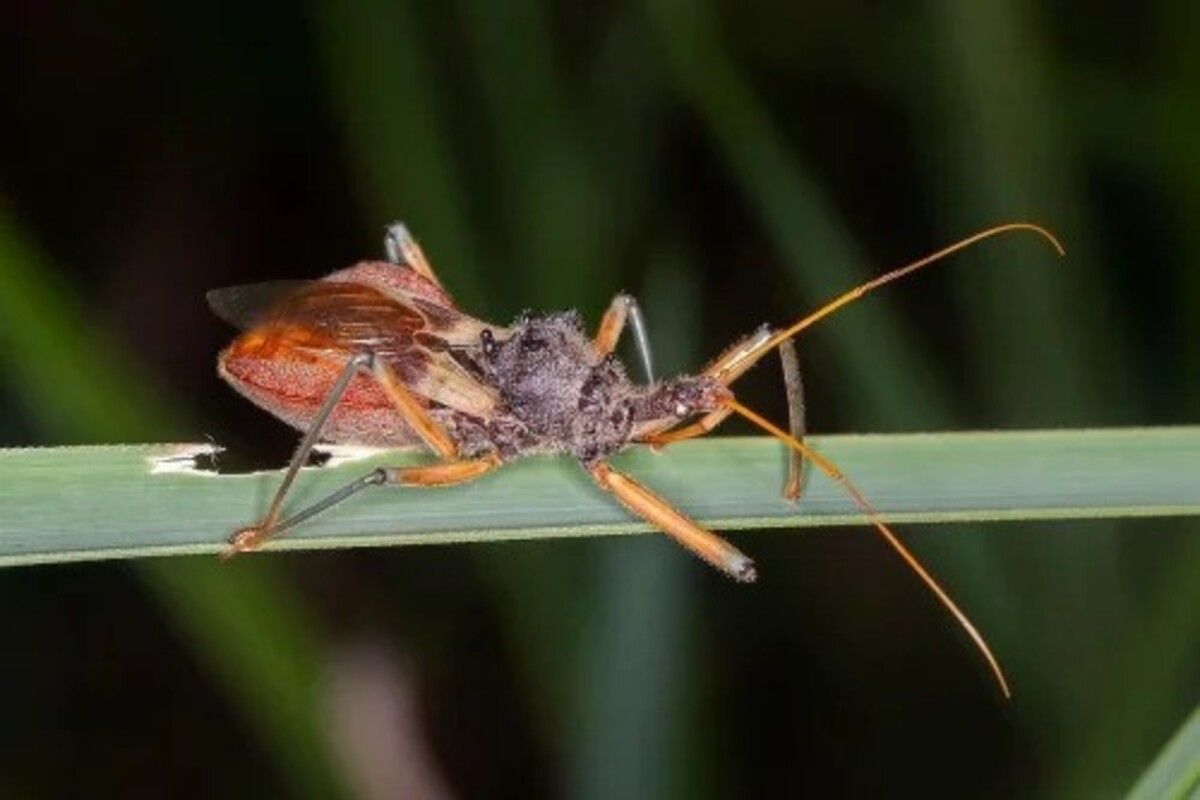
According to a new report from the U.S. Centers for Disease Control and Prevention (CDC), Chagas disease, also known as kissing bug disease, is becoming prominent in the United States. Due to that, scientists are calling on health authorities to classify Chagas disease as endemic to the United States.


Chagas disease is a parasitic infection transmitted by kissing bugs, primarily affecting people in Central and South America. Locally acquired human cases have been reported in eight states in the United States, most notably in Texas. Based on a recent article published earlier this month in the CDC’s Journal of Emerging Infectious Diseases, the article’s authors called for doctors, public officials, and health agencies to classify Chagas as endemic to the United States.
According to CBS News, the kissing bug has now been reported to be seen in 32 states in the US. Most reported U.S. cases have been found in Texas, but others have also been documented in Missouri, California, Illinois, Arizona, Tennessee, Louisiana, and Mississippi.
The causative agent for Chagas disease is the Trypanosoma cruzi parasite, which lives in kissing bugs and can infect both humans and animals. The bugs get their moniker because they often bite people on the face while they sleep.
After biting, they tend to leave droppings containing the parasite. People can contract the parasite when the droppings get into a wound or bug bite, or get into a person’s eye or mouth. After patients contract the parasite that causes Chagas, they may develop symptoms like fever, eyelid swelling, rash, fatigue, body aches, diarrhea, vomiting, and loss of appetite. If left untreated, the parasite can cause damage to the heart, esophagus, or colon years after infection, eventually causing serious health issues.
Meanwhile, an estimated 8 million people worldwide and 280,000 in the United States have been reported to have Chagas disease, often without knowing it. The disease doesn’t spread through casual contact and is not passed person to person. According to the CDC, some people never show symptoms upon getting infected.
Currently, there is no vaccine to prevent Chagas disease, so experts recommend that people protect themselves from the triatomine insect. Health experts have suggested using insect repellent and wearing clothes that cover the skin, staying in well-built places when traveling, and also avoiding raw fruits and vegetables that may be contaminated.