Jeju Island has emerged as one of the most admired natural wonders of 2025. Known for its shield volcano, network of lava tubes, and lush green hills, it now captivates travelers seeking geological spectacle and cultural richness. Jeju Island rising natural wonder status reflects not just its scenic beauty but also its unique ecosystems, heritage, and growing recognition among global travel circles.
Geological Wonders, Biodiversity & Visitor Experience
Jeju Volcanic Island and Lava Tubes hold UNESCO World Heritage status. The area covers nearly 18,846 hectares and comprises three core sites: Geomunoreum lava tube system, Seongsan Ilchulbong tuff cone, and Mount Hallasan. These features provide both aesthetic grandeur and geological importance.
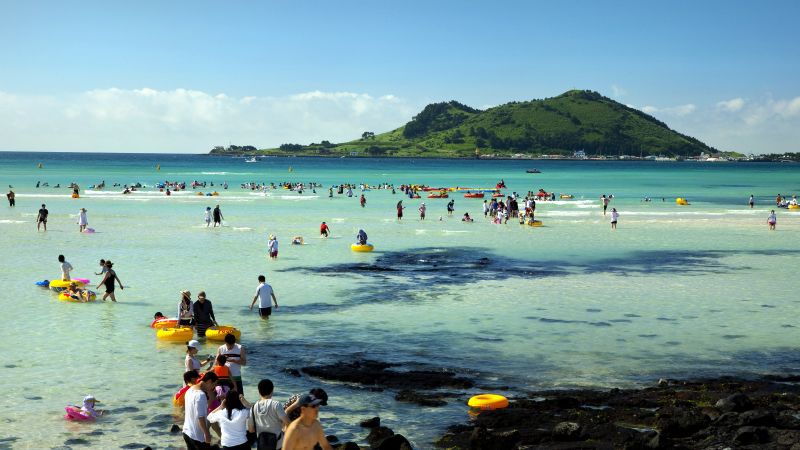

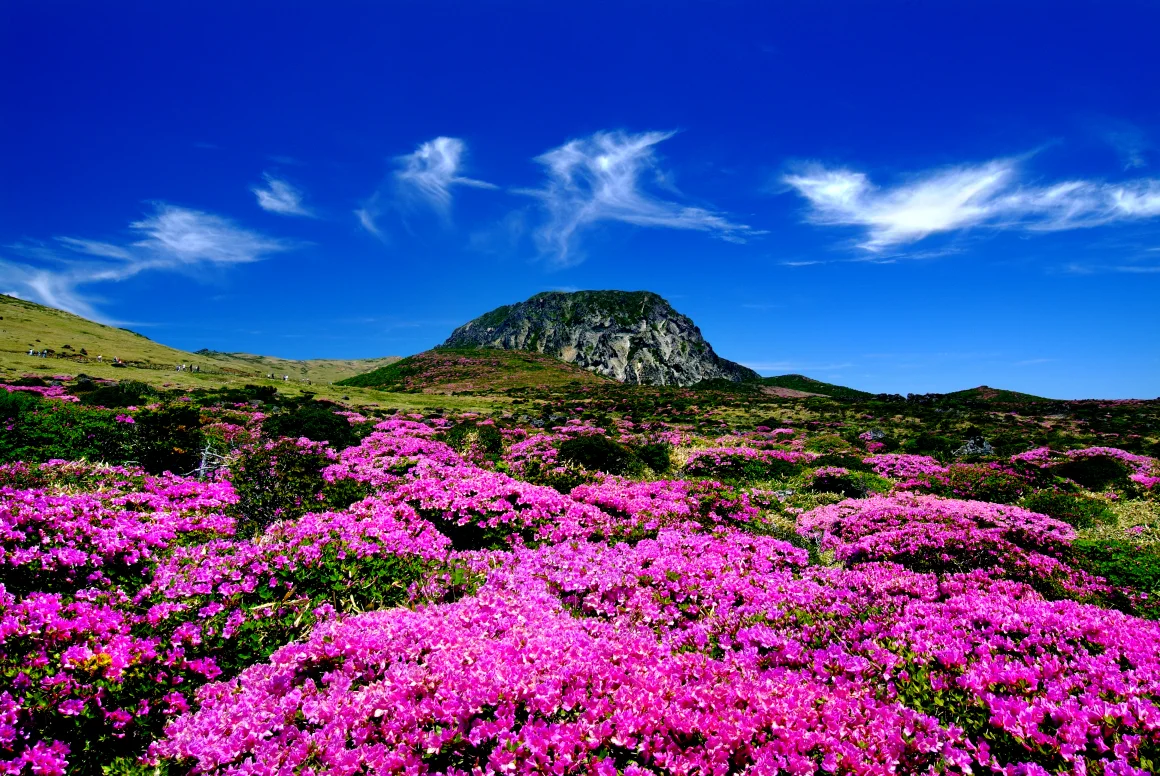
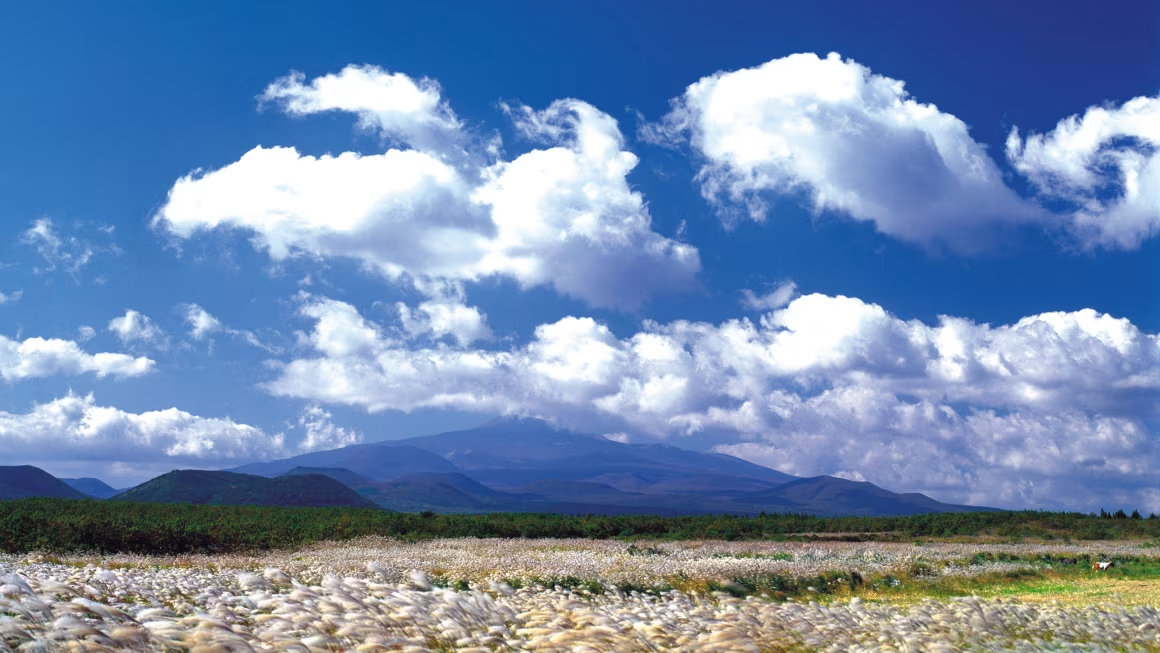
The Geomunoreum system is recognized as one of the finest lava tube cave networks in the world, featuring multicolored carbonate formations on walls and ceilings. Seongsan Ilchulbong rises like a fortress cone from the ocean, offering sunrise views that draw early-morning visitors. Mount Hallasan, the highest peak in South Korea, has trails leading past waterfalls, diverse rock formations, and a crater lake at its summit.
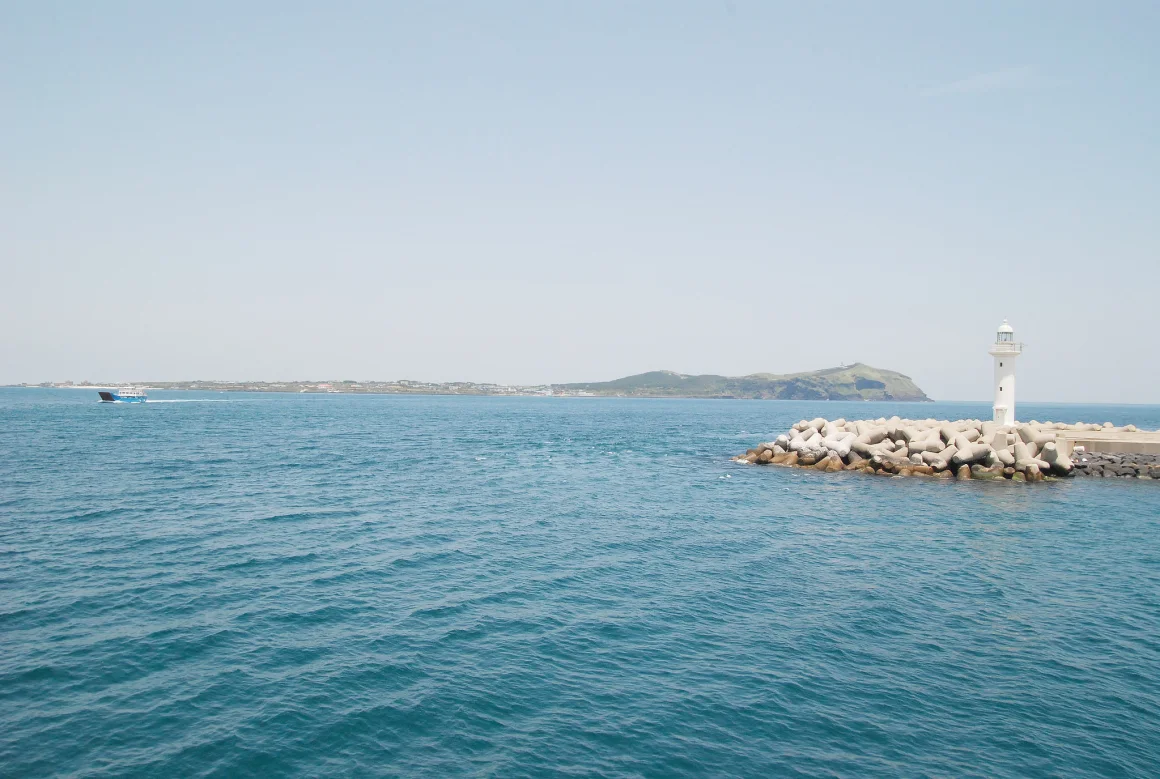

Jeju’s biodiversity enhances its wonder status. The island includes rare and endemic species such as the Jeju horse, damselfish, several endemic insects, and older species at the edge of their natural ranges. Marine life thrives around its coast with temperate coral species, sea turtles, and migratory sea birds. Forests, grasslands, and volcanic rock habitats blend with cultural landscapes for a rich environmental mosaic.

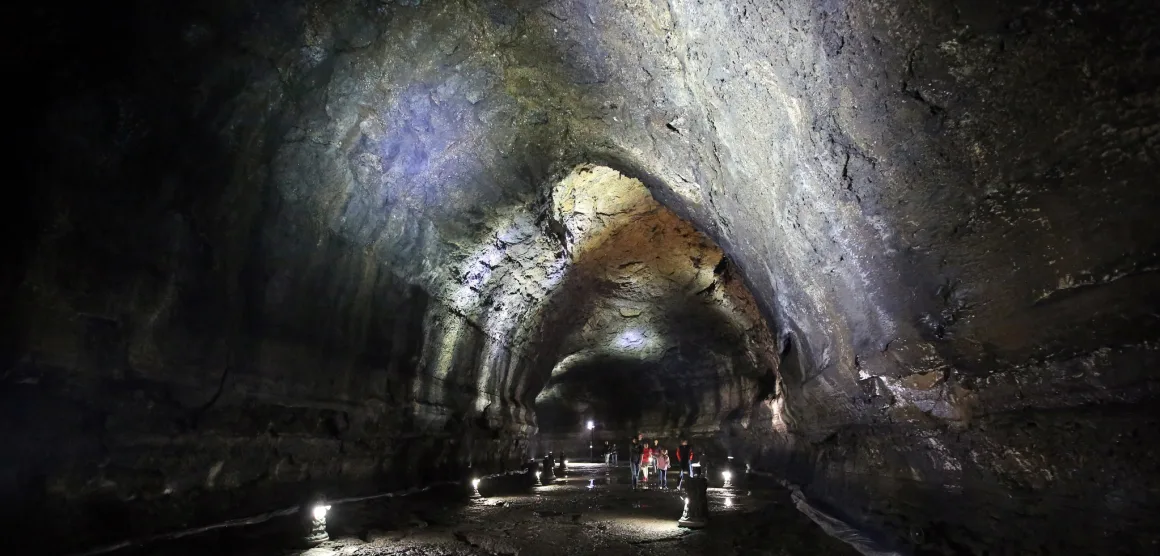
Visitor sites like Manjanggul Cave impress with their scale and formations. This lava tube stretches close to nine kilometers, though only a portion welcomes tourists. Noteworthy features inside include lava columns over seven meters high, stalactite-like lava formations, and wide internal chambers that look almost primeval. Along the coast, the Jusangjeolli cliffs display dramatic columnar basalt formations where lava flows once met the sea. Visitors also explore smaller volcanic cones—called oreum—numbering around 360 across Jeju. Some oreum host crater lakes or wetlands in volcanic gullies, offering scenic walks and seasonal wildlife sightings.
In recent years, conservation status has remained good. Authorities maintain that preserving groundwater levels, controlling visitor numbers in sensitive sites, and protecting ecosystems remain top priorities for sustainable tourism and long-term ecological health.

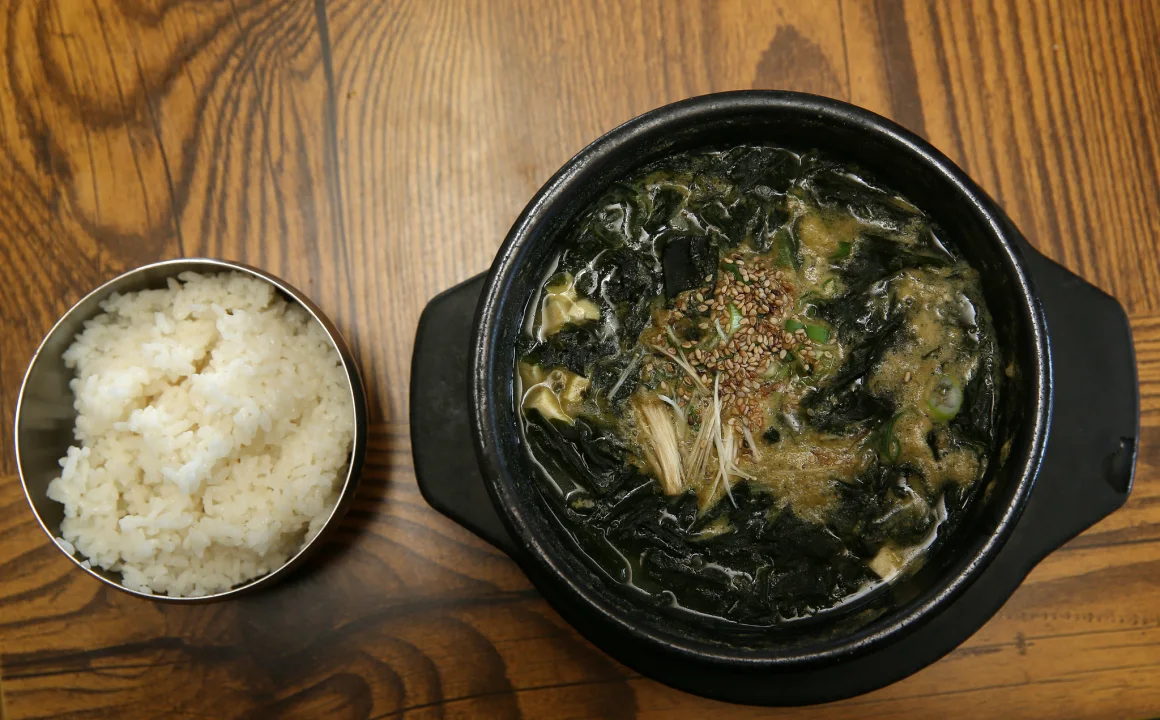
Jeju Island rising natural wonder isn’t only about physical geology—it’s deeply tied to culture and how people live. Locally, the Haenyeo divers represent centuries-old traditions: women free-dive without oxygen masks to harvest seafood, passing this knowledge from generation to generation. Rituals such as the seasonal Yeongdeunggut festival reflect the islanders’ respect for the sea and their tie to ritual and environment. Jeju also holds intangible heritage, with folklore, music, and village festivals woven into island life, making visits more than sightseeing tours.

Tourism data shows growing interest. Jeju is a major destination for both domestic and international travelers. Its world heritage recognition, combined with easier travel access, has boosted visitor numbers—though some sites limit access or rotate visitor openings to reduce environmental impact. Travelers in 2024-2025 increasingly search for natural experiences, eco-tours, volcano hikes, and underwater coral adventures, putting Jeju at a premium among natural wonder seekers.
Jeju’s ecosystems face pressures. Increased tourism, climate variation, and risk to coral and coastal marine species due to warming seas are issues. Groundwater changes threaten caves and wetlands. Local authorities address this with management plans, visitor education, and infrastructure to balance access with protection.


From a strategic perspective, Jeju showcases how natural wonders can be leveraged responsibly. Its designation as both a Biosphere Reserve and Global Geopark underscores its global importance. Its geological features contribute to scientific knowledge, especially of lava tube formation, shield volcanoes, and volcanic island geology over hot spots. Moreover, Jeju provides economic benefit through tourism, but also cultural continuity and environmental awareness.


Jeju’s blend of volcanic majesty, rare ecosystems, and living culture cements its place among the top natural wonders to visit in 2025. When visitors climb Mount Hallasan, explore lava tubes, stand atop Seongsan Ilchulbong at sunrise, or watch Haenyeo divers plumb the ocean depths, they experience more than landscape—they touch stories both deep in earth and human tradition.

Jeju Island rising natural wonder status reflects a place where nature and culture are inextricably tied and merit protection and celebration. For travelers seeking beauty that speaks both to the wild geological past and to communities that lived in close harmony with it, Jeju offers an unforgettable journey.