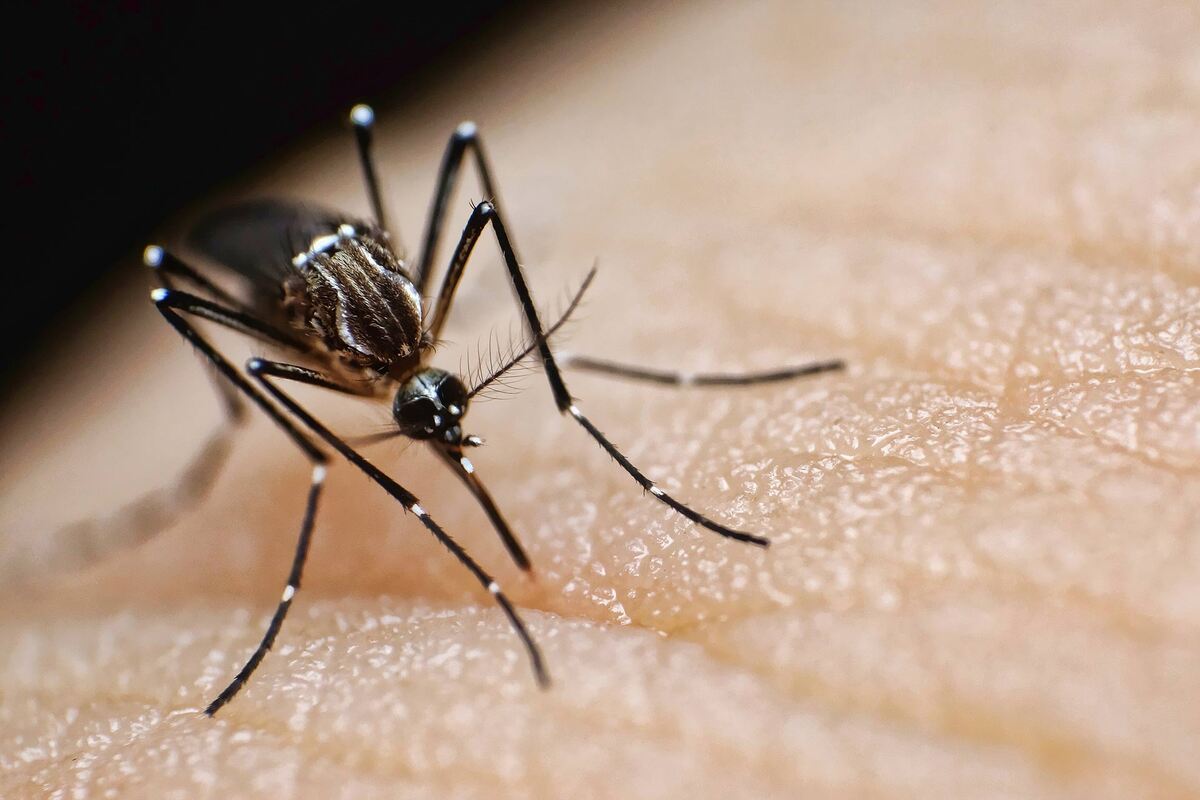
In Northern California, health officials have issued fresh warnings as an invasive mosquito species expands its presence across the region. The mosquito, known as Aedes aegypti, is already well-known for carrying serious illnesses including dengue, Zika, chikungunya and yellow fever.
The species has been detected in unexpected parts of the San Francisco Bay Area, including a recent finding near Kelley Park in San Jose, in Santa Clara County. Local mosquito control officials say this is the first time A. aegypti has shown up in that specific locality. The discovery sharpens concerns because until now, this mosquito was more commonly found in Southern California, the Southwest or in tropical-subtropical climates.


The vector control teams say that A. aegypti has steadily spread across Northern California since the spring. What is making the situation more urgent is the fact that this mosquito is especially good at adapting; it breeds in very small containers, indoor or outdoor, and can hitch rides in vehicles or inside homes, enabling it to move with people. Climate change is also likely helping the species survive and thrive in areas previously less hospitable, and there is concern about the mosquito’s growing resistance to insecticides, both factors combining to increase the public‐health risk.
Beyond just itchy bites that bother people during the day, health experts warn that the real danger is disease transmission. The local public health department says the species has already been connected to local dengue transmission in California. Residents are being urged to act: remove standing water around homes, dump containers that collect rain, clean pet bowls, flowerpots and gutters at least once a week.
Officials also advise community members to report daytime bites, especially if they see mosquitoes with characteristic black-and-white banded legs and a striped body, which are hallmarks of A. aegypti. The call is clear: vigilance and preventive hygiene could help slow the advance of the mosquito and reduce the risk of outbreaks.
As Northern California moves into cooler months, experts note that the insect’s presence in more developed counties marks a shift in the region’s vector‐borne disease landscape. Residents are being asked to remain alert, follow basic mosquito-control measures and report any signs of unusual mosquito activity. The hope is to keep disease risk low even as the mosquito widens its reach.