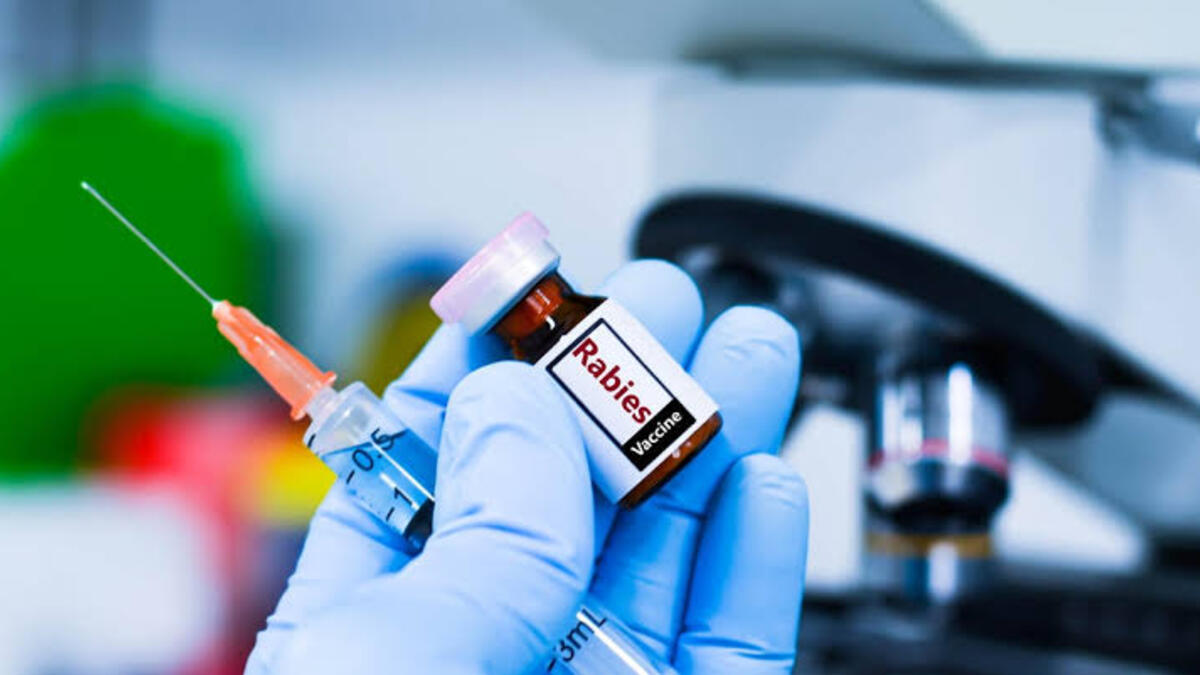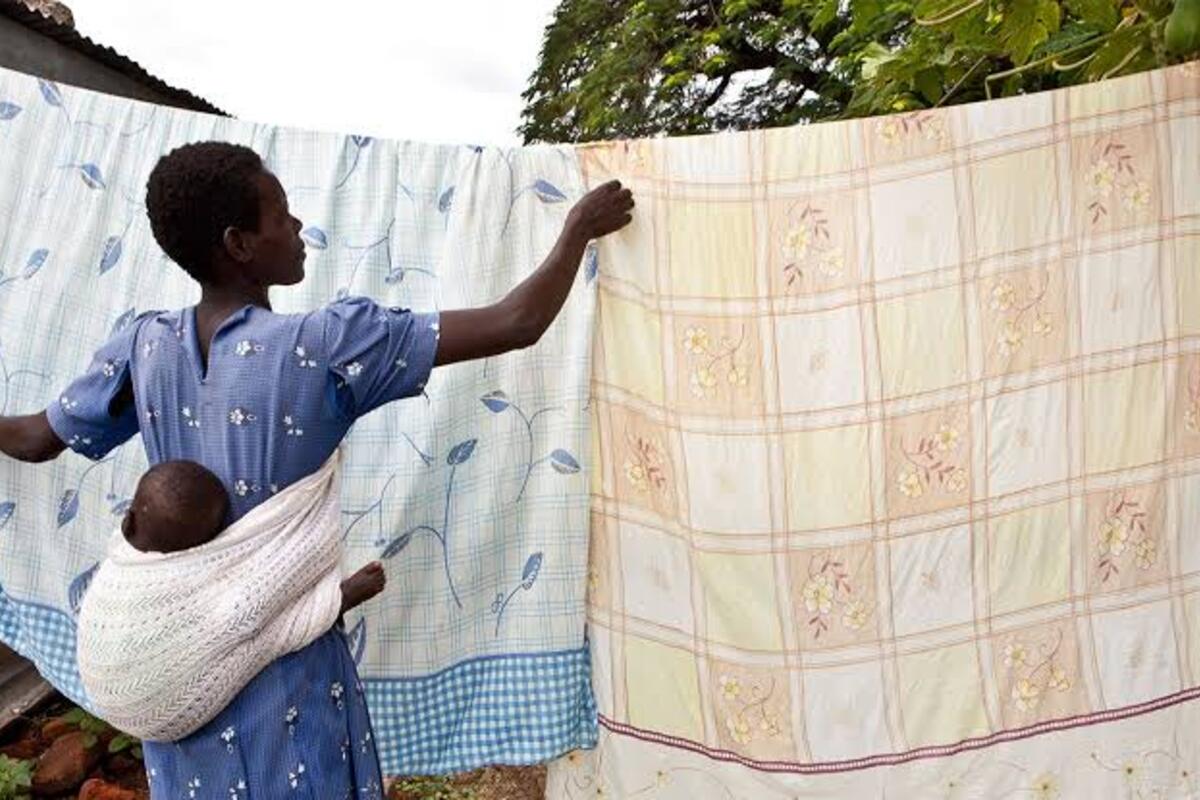
A recent study has shown that baby wraps treated with the insecticide permethrin can significantly reduce malaria infections in infants. This innovative approach offers a new method to protect young children from the deadly disease.
The study, published in the New England Journal of Medicine, was conducted in Uganda and involved 400 mother-child pairs. The infants, aged 6 to 18 months, were randomly assigned to use either permethrin-treated baby wraps or untreated wraps. Both groups also received insecticide-treated bed nets. Over a 24-week period, the incidence of clinical malaria was significantly lower in the group using the treated wraps. The permethrin-treated wraps reduced malaria cases by 66% compared to the untreated group.
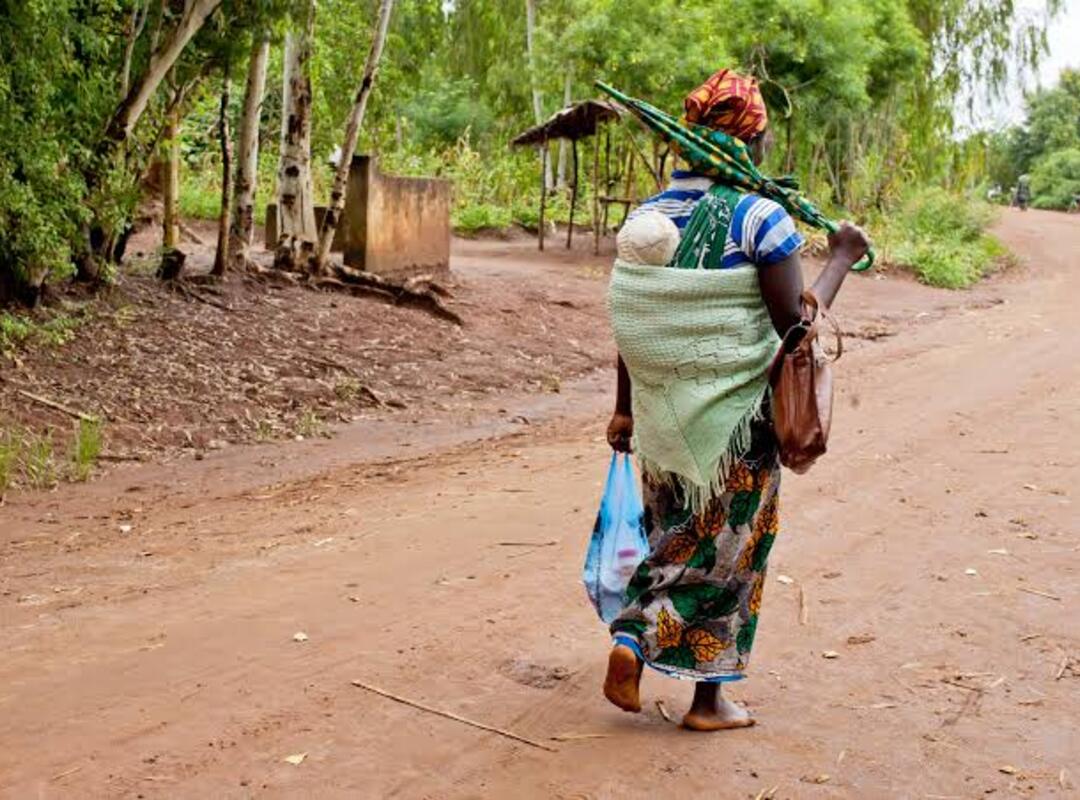

The permethrin-treated wraps function as an additional layer of protection against mosquitoes, which are the primary vectors of malaria. Since many mothers in malaria-endemic regions carry their infants using traditional cloth wraps, treating these wraps with insecticide provides continuous protection throughout the day. This method complements existing malaria prevention strategies, such as bed nets and indoor spraying.
The study also found that the permethrin-treated wraps were safe for both mothers and infants, with no serious adverse events reported. The wraps were retreated with insecticide every four weeks to maintain their effectiveness.
Experts believe that integrating permethrin-treated baby wraps into malaria prevention programs could have a significant impact, especially in areas with high transmission rates. This approach is cost-effective and culturally appropriate, as it aligns with traditional practices of carrying infants.
Permethrin-treated baby wraps represent a hopeful development in the fight against malaria. By providing continuous protection against mosquito bites, they offer a practical and effective solution to reduce malaria infections in infants.