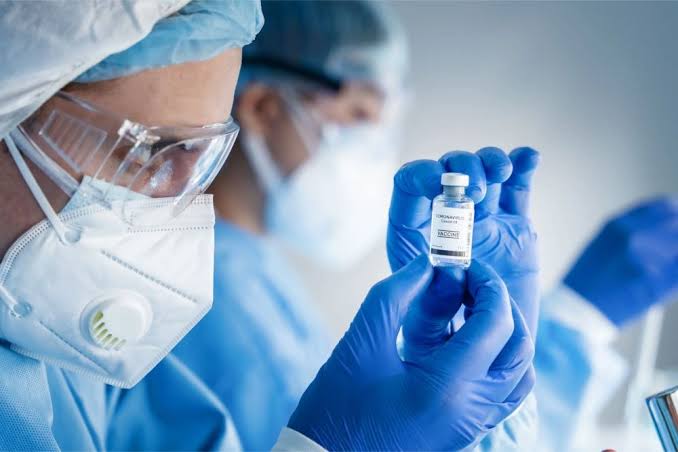
The Infectious Diseases Society of America (IDSA) has released new advice to help protect people who have weak immune systems from COVID-19. The group says that adults and children with health problems that affect their immunity should get the latest COVID-19 vaccine as soon as possible for the coming cold and flu season.
The new guidance also advises people who live with or take care of someone with a weak immune system to make sure they are fully vaccinated too. IDSA adds that it is safe to take the COVID-19 vaccine at the same time as flu and RSV (Respiratory Syncytial Virus) vaccines.
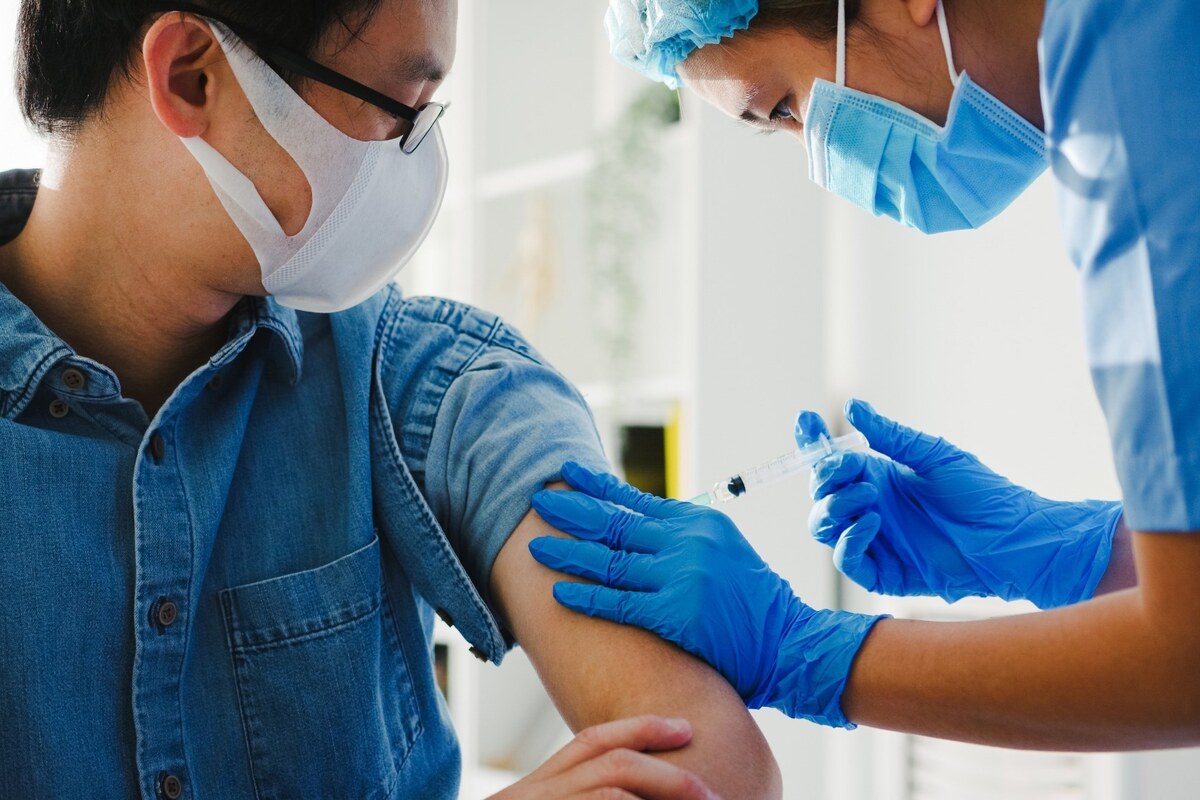

People who have weak immune systems because of illnesses like cancer or HIV, or those who take immune-suppressing drugs after an organ transplant, are the main focus of this guidance. However, people with other long-term diseases, such as kidney or liver problems, are not the main target group for these new recommendations.
Dr. Lindsey Robert Baden, who led the team that made the recommendations, said vaccines are an important way to stop severe illness. “Vaccines are one of the best ways to prevent respiratory infections, especially for people whose immune systems are not strong,” he said.
The new advice is based on studies that show COVID-19 vaccines can reduce the risks of serious illness and death in people with weak immune systems. Research found that the vaccines can lower the chance of being hospitalized by about half and reduce the risk of death by up to 61%.
IDSA recommends that everyone with a weak immune system who is six months or older should get at least one dose of the current COVID-19 vaccine. Some people may need extra doses depending on their past vaccination and health condition. Doctors are encouraged to make decisions together with their patients about the best timing for vaccination, especially if the patient is receiving treatment that affects their immune system.
IDSA also said that new vaccine advice for flu and RSV will be released soon. The group added that other health organizations will continue to give vaccine guidance for people who are not immunocompromised.
The updated guidance reminds everyone that vaccines can give important protection, especially for those most at risk from COVID-19.