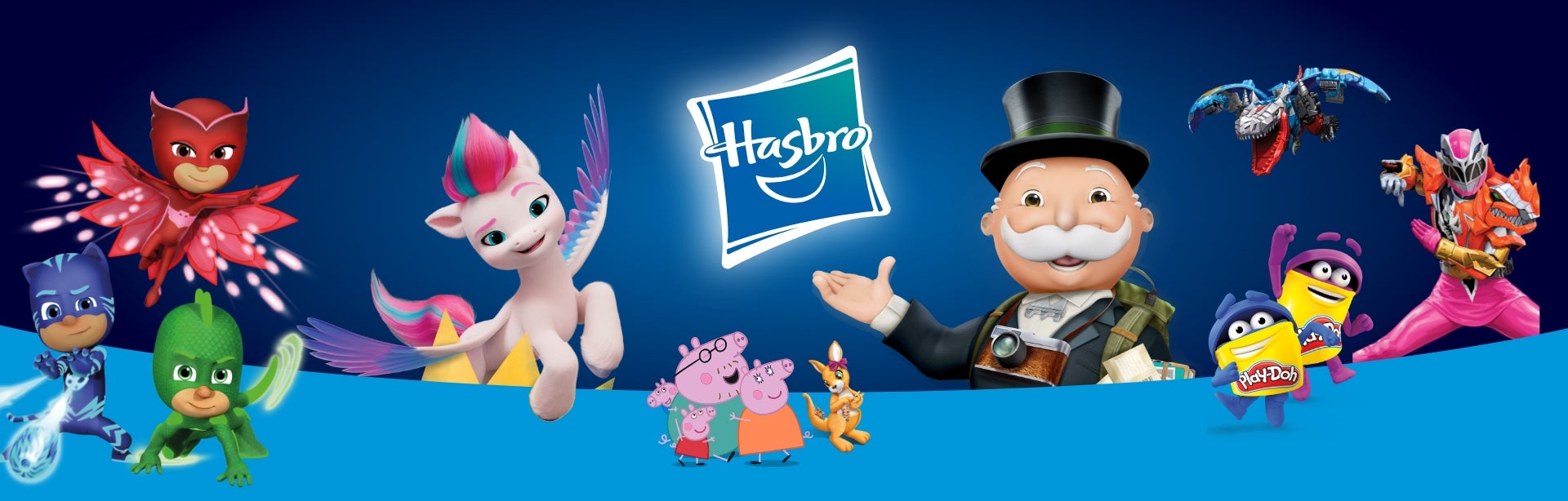
Toymaker Hasbro announced Thursday that it will cut approximately 1,000 jobs worldwide, marking one of the most significant workforce reductions in the company’s nearly 100-year history. The layoffs, which represent about 15 percent of Hasbro’s global full-time workforce, are part of a broader restructuring plan unveiled last year aimed at saving up to US$300 million annually by 2025.
The Rhode Island-based company, best known for iconic brands such as Monopoly, Play-Doh, My Little Pony, Transformers, and Nerf, has been grappling with declining sales, shifting consumer habits, and a challenging global economic environment that has weighed heavily on the traditional toy industry.
In addition to the job cuts, Hasbro said that Eric Nyman, its president and chief operating officer, will be departing the company. The announcement signals not only a cost-cutting effort but also a leadership and strategic reset as Hasbro seeks to refocus its business for long-term growth.
A Strategic Shift Toward Fewer, Bigger Brands
Hasbro chief executive officer Chris Cocks said the company is narrowing its focus to concentrate resources on areas with the greatest growth potential. According to Cocks, Hasbro will prioritize “fewer, bigger brands” while expanding its presence in gaming, digital entertainment, direct-to-consumer platforms, and licensing partnerships.
“This is about sharpening our execution and ensuring Hasbro is built for the future,” Cocks said. He emphasized that the company’s transformation reflects changes in how consumers engage with entertainment, toys, and games increasingly across digital and physical platforms.
The strategy marks a departure from Hasbro’s long-standing model of maintaining a wide portfolio of toy lines, many of which have struggled to remain profitable in recent years. Rising production costs, excess inventory, and weaker consumer spending have made it difficult for mid-tier and niche toy brands to perform well, especially during the critical holiday shopping season.
Revenue Declines and a Tough Holiday Season
Hasbro’s decision comes amid ongoing financial pressures. In the third quarter of last year, the company reported a 15 percent decline in revenue compared to the same period a year earlier, underscoring the depth of the challenges it faces.
Cocks acknowledged that Hasbro’s consumer products division which includes traditional toys and games, performed poorly in the final three months of 2022. He attributed the downturn to a “challenging holiday consumer environment,” as inflation, higher interest rates, and economic uncertainty caused many households to rein in discretionary spending.
Retailers also entered the holiday season with excess inventory following supply chain disruptions earlier in the pandemic, leading to heavy discounting and reduced orders from manufacturers like Hasbro. These pressures combined to create a difficult backdrop for toy sales, particularly for higher-priced or non-essential items.
Bright Spots: Gaming, Digital, and Licensing
Despite the struggles in its core toy business, Hasbro highlighted several areas of strength that have helped offset some of the losses. Chief among them is Wizards of the Coast, the company’s role-playing and collectible card game division, which includes the massively popular Dungeons & Dragons and Magic: The Gathering franchises.
Hasbro said Wizards of the Coast delivered strong growth in the fourth quarter, driven by continued demand for tabletop gaming, digital adaptations, and expansion into new media formats. The unit has increasingly become a cornerstone of Hasbro’s financial performance, generating higher margins than traditional toy manufacturing.
Digital gaming, Hasbro Pulse (the company’s direct-to-consumer platform), and its licensing business also posted solid fourth-quarter growth, according to Cocks. Licensing agreements, which allow Hasbro to monetize its intellectual property through movies, television, video games, and consumer products have become an increasingly important revenue stream as entertainment franchises grow more interconnected.
These segments align closely with Hasbro’s push to become a broader “play and entertainment” company rather than a traditional toy manufacturer.
Leadership Changes and Internal Realignment
The departure of Eric Nyman, who served as president and chief operating officer, adds another layer of transition for the company. While Hasbro did not provide details about his exit, leadership changes often accompany major restructurings as companies realign priorities and management structures.
Hasbro has undergone several internal shifts in recent years, including the consolidation of business units and changes to how brands are managed across physical and digital platforms. Industry analysts say such moves reflect the increasing complexity of the toy and entertainment landscape, where success often depends on cross-platform storytelling and long-term franchise development.
The company is expected to provide more clarity on leadership roles and organizational changes when it reports its fourth-quarter and full-year financial results in mid-February.
Investor Reaction and Market Pressure
Investors reacted swiftly to the news of the layoffs. Hasbro’s stock fell about 7 percent in extended trading following the announcement, reflecting concerns about near-term revenue prospects and the broader challenges facing the toy industry.
Over the past 12 months, Hasbro shares have fallen 29 percent through the close of Thursday’s regular trading session on Wall Street. The decline mirrors struggles seen across the retail and consumer goods sectors, particularly among companies dependent on discretionary spending.
Market analysts note that while cost-cutting measures can improve margins over time, they also signal the depth of the structural challenges Hasbro must overcome to return to sustainable growth.
Industry-Wide Challenges in the Toy Business
Hasbro’s struggles are not unique. The global toy industry has been under pressure as children spend more time on digital devices and as families become more selective about purchases amid economic uncertainty. Competition from video games, streaming services, and mobile apps has intensified, forcing traditional toy companies to rethink their business models.
Rivals such as Mattel have also pursued cost-cutting, brand consolidation, and licensing-heavy strategies in response to similar headwinds. The success of entertainment-driven franchises such as Mattel’s Barbie and Hasbro’s Transformers has reinforced the idea that storytelling and media integration are now central to toy company growth.
At the same time, supply chain volatility, fluctuating raw material costs, and shifting retailer dynamics have added further complexity to the sector.
As Hasbro moves forward with its restructuring plan, the company faces a pivotal moment. Its ability to successfully pivot toward gaming, digital experiences, and high-value franchises will likely determine whether it can stabilize revenues and regain investor confidence.
Cocks has positioned the layoffs and strategic refocus as necessary steps to ensure long-term competitiveness rather than short-term retrenchment. Still, the cuts will affect hundreds of employees across regions and functions, marking a difficult chapter for a company long associated with childhood creativity and play.
With fourth-quarter and full-year earnings set to be released in mid-February, investors, employees, and industry watchers alike will be closely watching for signs that Hasbro’s transformation is gaining traction or whether further restructuring lies ahead.
For now, the job cuts underscore the reality facing even the most established brands: in a rapidly changing global economy, adaptation has become essential for survival.