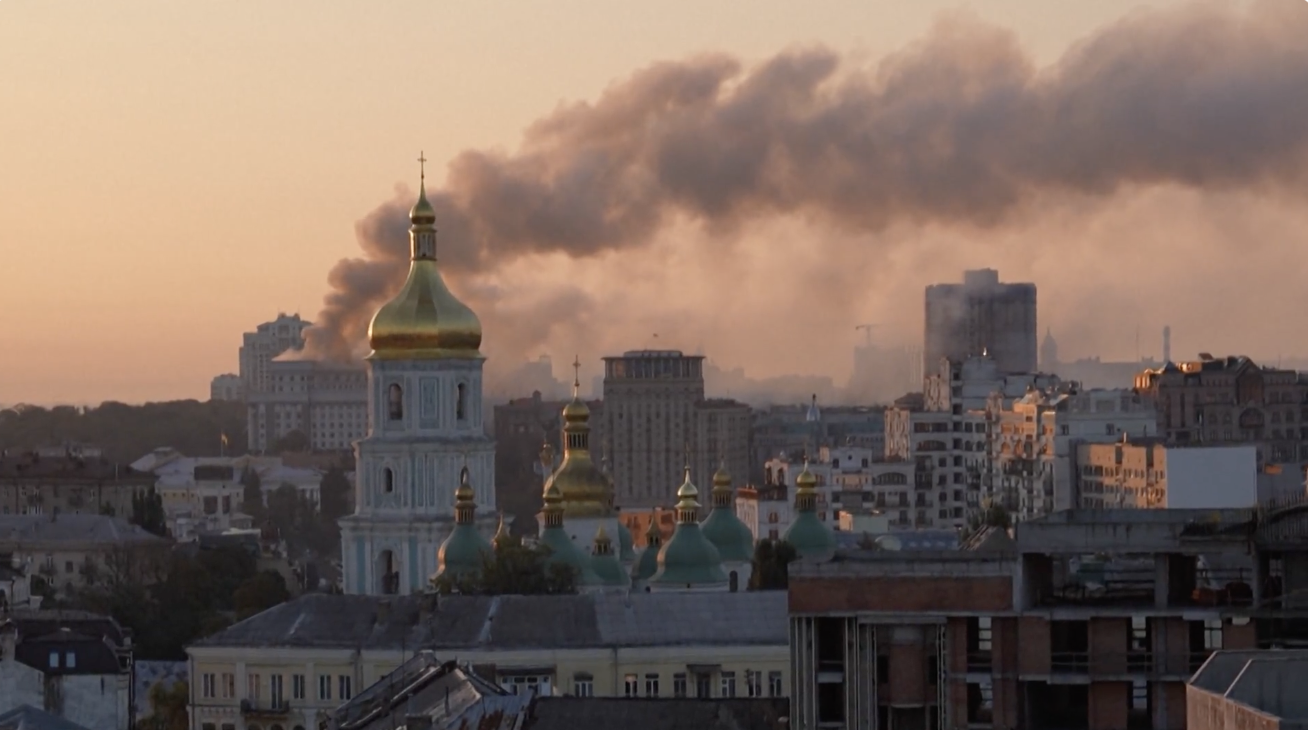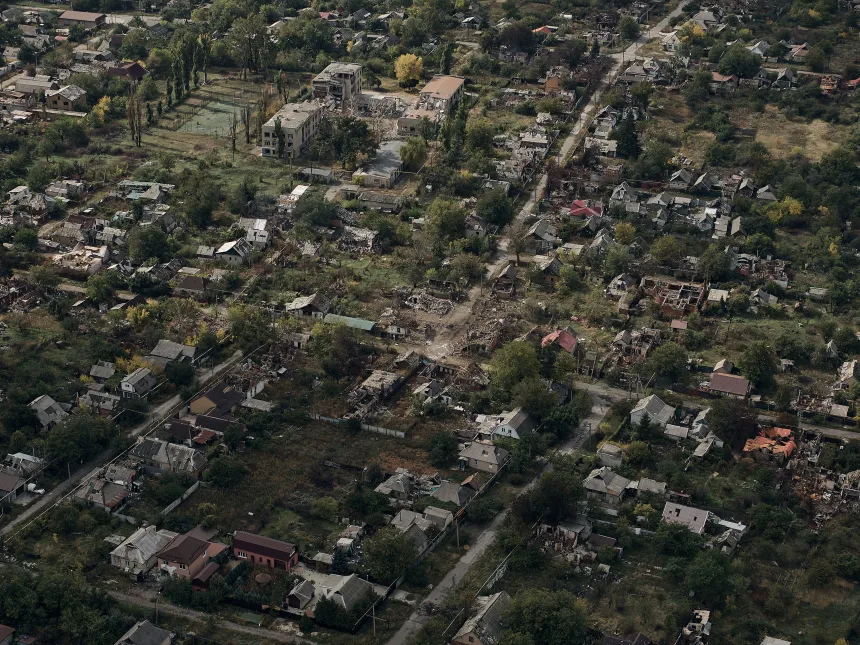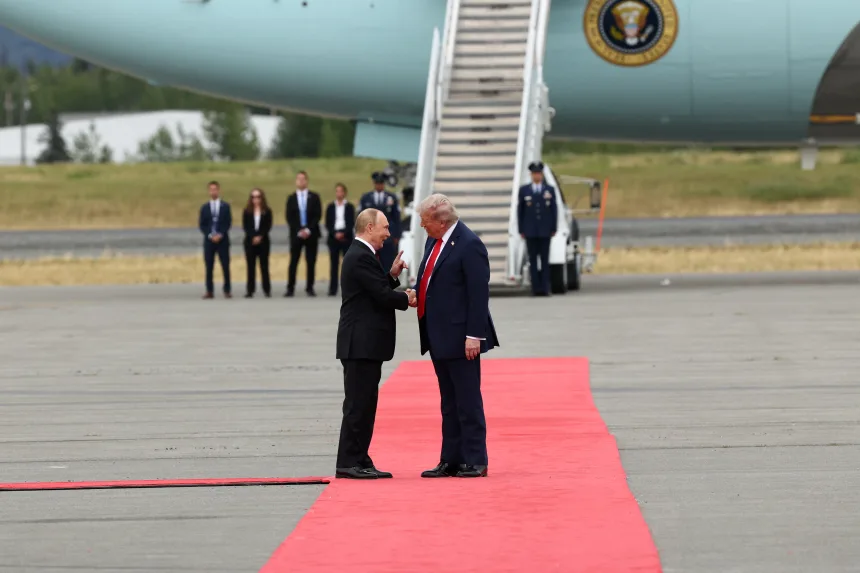
As the US gets tough on Moscow, political analysts are asking a crucial question: has Putin’s strategy of playing Trump finally run its course? The relationship between former President Donald Trump and Russian leader Vladimir Putin has long been the subject of fascination, speculation, and controversy. What once appeared to be a strategic dance between two powerful figures has now evolved into a tense standoff, as Washington adopts a firmer stance against Moscow’s actions.
While Trump’s presidency was marked by an unusual mix of praise for Putin and skepticism toward traditional US allies, the geopolitical landscape has shifted dramatically. With the United States tightening sanctions, expelling diplomats, and rallying NATO allies, the era of strategic ambiguity between Washington and Moscow appears to be closing.
When Trump entered the White House in 2017, Putin saw an opportunity to reset relations that had soured under previous administrations. Trump’s populist tone and his frequent criticism of NATO created a unique opening for Moscow to exploit. Putin’s strategy was simple yet effective: flatter Trump, appeal to his instincts for personal diplomacy, and use charm to influence Washington’s posture on Russia.
During those years, Trump repeatedly questioned the value of NATO and avoided strong condemnation of Russia’s election interference. The optics of their 2018 Helsinki summit, where Trump appeared to side with Putin over US intelligence agencies, symbolized the peak of that unconventional relationship. For the Kremlin, the perception of influence over an American president was itself a diplomatic victory.
But as investigations into Russian election meddling deepened and bipartisan criticism grew, the limits of that strategy began to show. The warm rhetoric could not mask the growing distrust between the two nations or the underlying clash of interests in Europe and the Middle East.
Fast forward to the present, and the tone from Washington has changed significantly. US officials have taken a tougher approach, responding more assertively to Russian cyberattacks, disinformation campaigns, and the war in Ukraine. The Biden administration has expanded sanctions, strengthened NATO’s eastern defenses, and moved to isolate Moscow on the global stage.
Even among Republicans, once hesitant to criticize Russia during Trump’s tenure, the sentiment has shifted. Lawmakers now recognize that the Kremlin’s long-term goal is to weaken Western unity, not strengthen it. As a result, the old playbook that relied on personal rapport and political flattery seems increasingly ineffective.
In this new environment, Putin’s strategy of playing Trump looks outdated. The geopolitical game has changed from personal diplomacy to strategic containment. What once worked as a psychological approach, appealing to Trump’s admiration for strong leadership, no longer carries the same weight in Washington’s power circles.
Several factors explain why Putin’s strategy of playing Trump may no longer yield dividends. First, the domestic political landscape in the United States has hardened against Russia. Public opinion polls show that a majority of Americans view Moscow as an adversary rather than a potential partner.
Second, the Kremlin’s military ambitions have backfired diplomatically. The invasion of Ukraine and its humanitarian toll have turned Russia into a global pariah. European nations that once wavered on defense spending are now rearming at record pace, while Sweden and Finland have joined NATO a direct counter to Putin’s goals.
Third, Trump’s influence over US foreign policy is now limited. Although he remains a powerful figure in American politics, his ability to shape Washington’s approach toward Russia depends on whether he can return to office. Even then, the bipartisan consensus against Moscow is likely to constrain any attempts to revive a friendlier tone toward Putin.
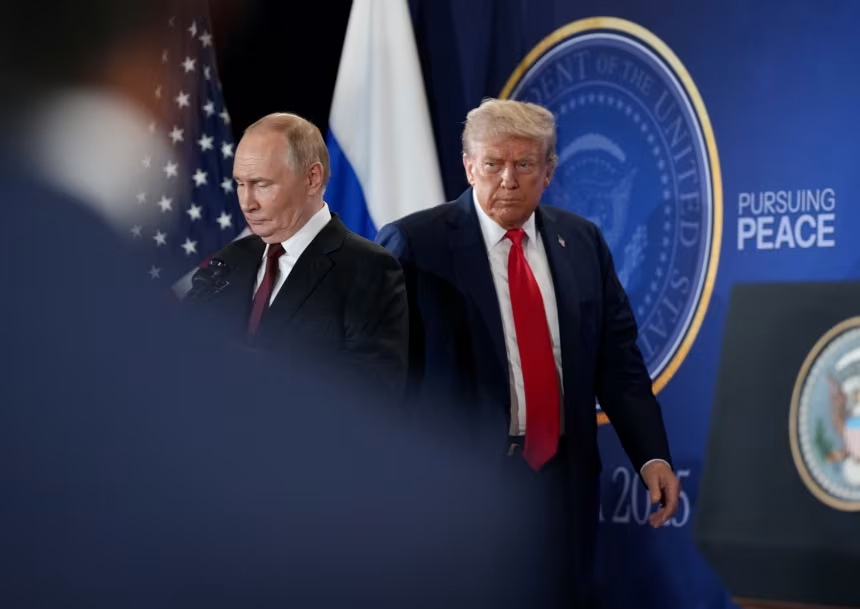
The weakening of Putin’s strategy of playing Trump has broader implications for global politics. It signals the end of an era when Russia could exploit divisions within Western alliances through personal diplomacy. Instead, Moscow now faces a united transatlantic front that is more coordinated than at any point in recent history.
At the same time, Russia has turned eastward, deepening its ties with China, Iran, and North Korea to counterbalance Western isolation. But this new alignment carries risks. Moscow’s dependence on Beijing’s economic support and Tehran’s military collaboration exposes its vulnerability in ways unseen before. The Kremlin’s ability to manipulate global narratives is fading as its credibility declines.
For the United States, the shift underscores the importance of consistent foreign policy grounded in alliances rather than personalities. Washington’s renewed emphasis on multilateralism and diplomacy strengthens its position, leaving little room for Putin’s old tactics of exploiting political divisions.
As the US gets tough on Moscow, it is becoming increasingly clear that Putin’s strategy of playing Trump has reached its limits. What once worked through personal rapport and political calculation no longer aligns with the hard realities of today’s international order. The charm has faded, the geopolitical costs have mounted, and the world has moved on from the transactional politics that defined their interactions.
Putin’s gamble on Trump may have yielded short-term gains, but in the long run, it exposed the fragility of relying on personality-driven diplomacy. In an age where alliances and accountability define power, even the most calculated strategies can lose their edge.