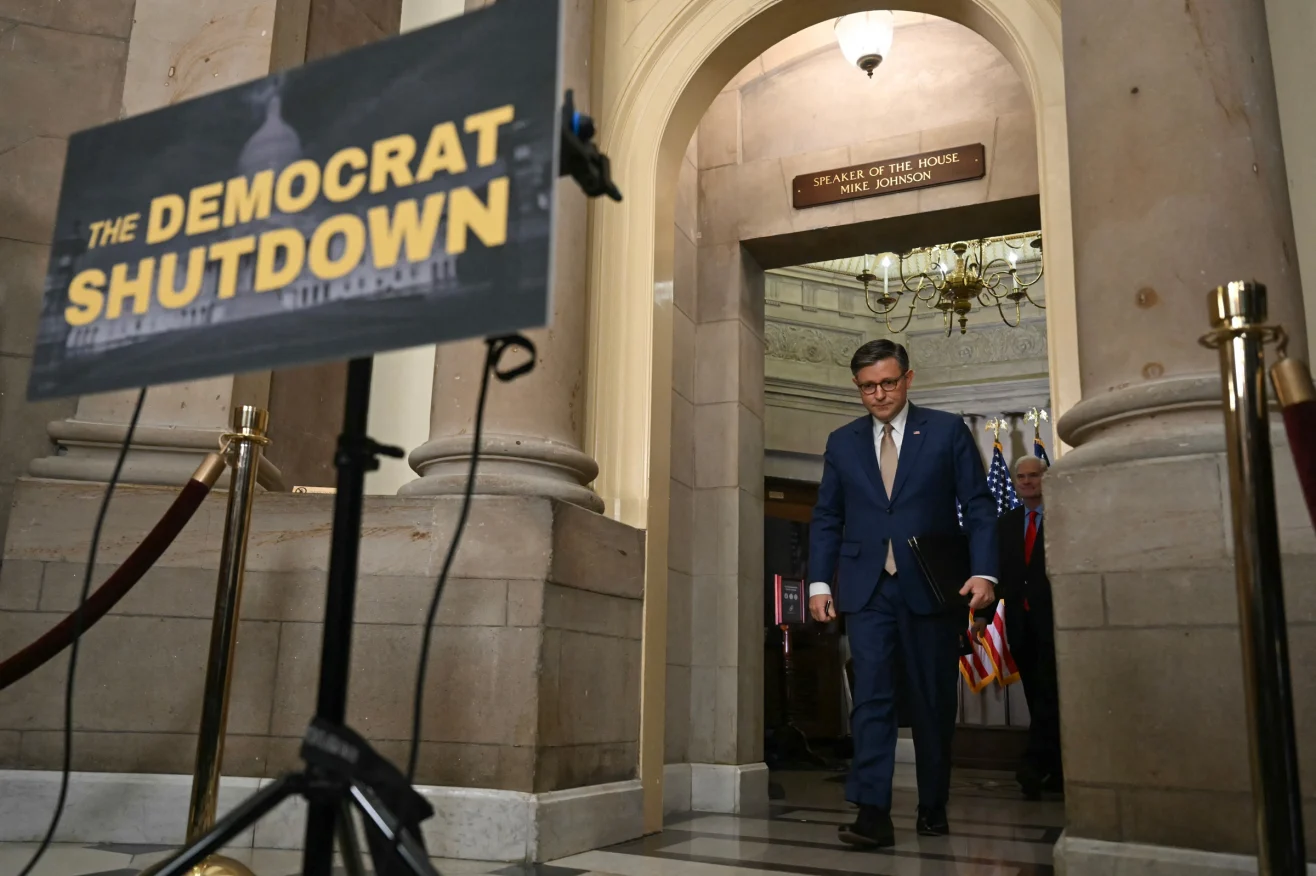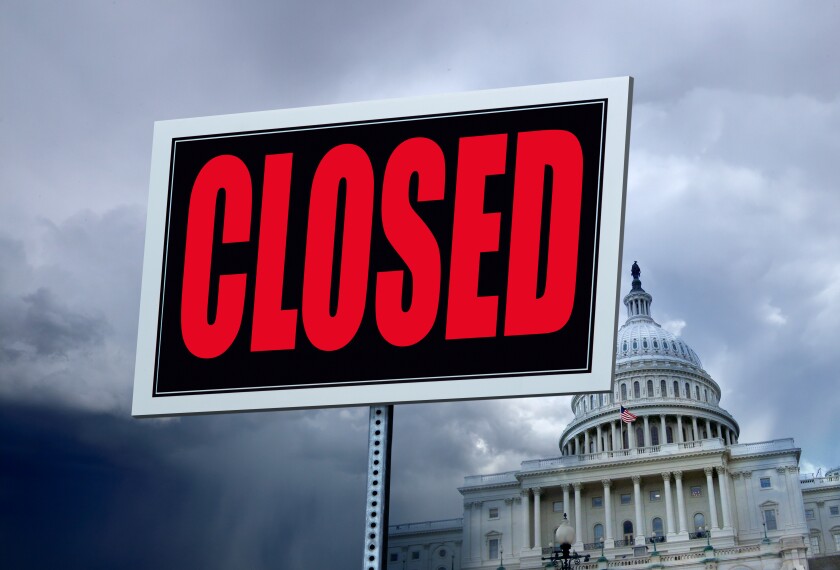
The phrase government shutdown appears inevitable has once again entered the American political conversation, as lawmakers failed to reach a consensus on new funding measures. The U.S. Senate was unable to pass competing budget plans, setting the stage for a shutdown that could disrupt federal operations, furlough workers, and unsettle the economy.
The deadlock stems from deep divisions over spending priorities. Republicans in the Senate are pushing for significant cuts to domestic programs, citing concerns about the growing national debt and federal deficit. Democrats, on the other hand, insist that critical social services, education programs, and healthcare initiatives must be protected. These competing visions of fiscal responsibility have created a stalemate that neither side seems willing to break.
While short-term funding bills have often served as temporary solutions in past disputes, the current standoff appears more rigid. Both parties are under pressure from their voter bases, making compromise politically costly. As a result, analysts warn that the likelihood of a government shutdown is higher than in recent years.
If lawmakers fail to act, the consequences will be immediate and far-reaching. Federal employees across a wide range of agencies face furloughs, leaving key services under strain. National parks may close, passport and visa processing could be delayed, and government contractors may be left without payments. For many families, the impact of losing even a few weeks of pay can be devastating.
Beyond public services, a shutdown carries risks for the broader economy. During the 2018–2019 shutdown, which lasted 35 days, the Congressional Budget Office estimated that the U.S. economy lost billions in output. A similar disruption today, with inflationary pressures and global economic uncertainty already weighing heavily, could amplify risks in financial markets.
Investors are paying close attention. Wall Street analysts warn that prolonged gridlock could erode confidence in U.S. governance and add volatility to stock markets. Credit rating agencies have also flagged political dysfunction as a long-term concern for America’s financial standing. If confidence in the government’s ability to manage its finances weakens further, borrowing costs could rise, deepening the fiscal challenge.
Social programs are another area of concern. Funding interruptions threaten nutritional assistance programs for low-income families, housing aid, and healthcare support for vulnerable groups. State governments may step in temporarily, but many lack the resources to sustain programs if the shutdown drags on.
The looming shutdown is not just a budgetary issue, it is also a political test. For Republicans, holding firm on spending cuts may energize their base, but it risks alienating moderate voters who expect solutions rather than stalemates. Democrats, meanwhile, face the challenge of defending social spending while also convincing voters that they are committed to fiscal discipline.
Public opinion has historically played a decisive role in government shutdowns. In past episodes, polls showed that the party perceived as more intransigent often bore the brunt of voter anger. If the public believes Republicans are prioritizing political fights over practical governance, it could weaken their standing ahead of upcoming elections. Conversely, if Democrats appear unwilling to negotiate, they too could face backlash.
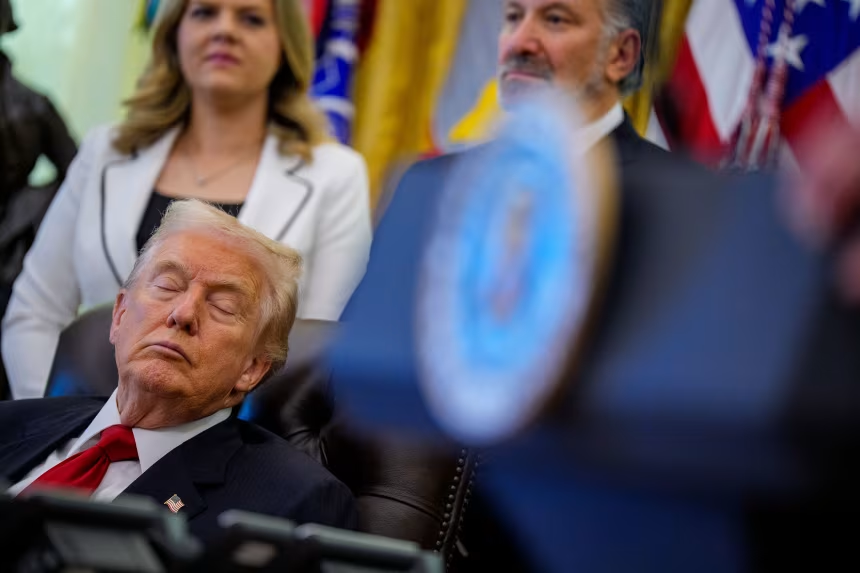
The White House has signaled that it views the current standoff as a moment to draw contrasts. Administration officials argue that preserving social safety nets is more important than meeting demands for sharp budget cuts. President Trump, however, has urged his allies in Congress to stand firm, framing the budget dispute as a fight against “reckless spending.”
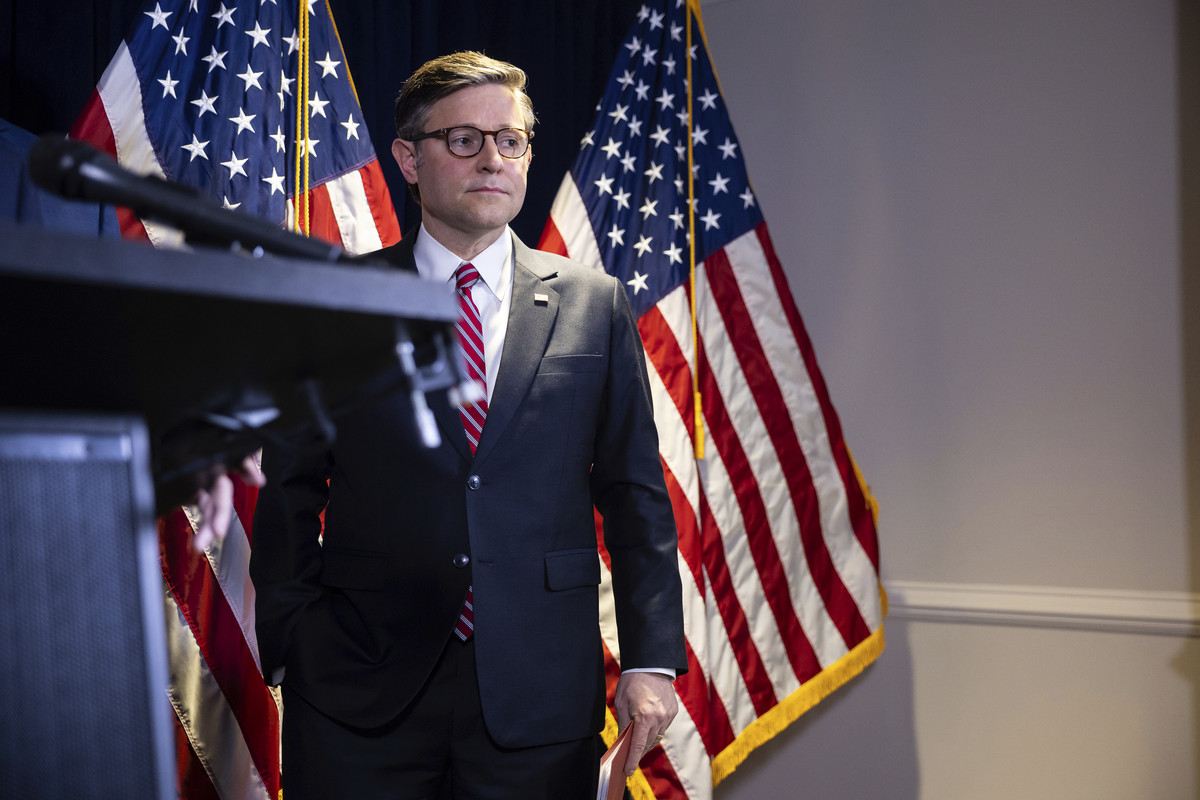

The reality that a government shutdown appears inevitable raises larger questions about the functioning of American democracy. Frequent shutdown threats have eroded confidence in Congress’s ability to perform basic governance tasks. For federal workers, businesses, and citizens alike, the cycle of temporary funding fixes and partisan clashes has created a sense of instability.
Experts argue that structural reforms could reduce the likelihood of shutdowns. Proposals include automatic continuing resolutions that keep the government funded even if lawmakers cannot agree on a new budget. However, such reforms face resistance from those who believe shutdown threats are one of the few tools left to force fiscal discipline.
For now, the focus remains on whether the Senate can break the impasse in time. With no deal in sight, Americans are bracing for disruption. History suggests that public frustration could eventually force a compromise, but the costs—economic, political, and social—may already be significant.
The coming weeks will reveal whether this shutdown is another temporary disruption or a sign of deeper dysfunction in American governance. What is clear is that the world is watching, and the consequences will stretch far beyond Capitol Hill.