Lawmakers in Ghana have reintroduced a controversial bill that could become one of the most restrictive pieces of anti-LGBTQ legislation in Africa, according to its sponsors, after an earlier attempt to pass the law was stalled by legal challenges.
The move has reignited debate within the country and drawn renewed scrutiny from international observers, investors, and human rights groups.
Under current Ghanaian law, same-sex sexual acts are punishable by up to three years in prison. The proposed legislation would significantly expand those penalties, increasing the maximum sentence to five years.
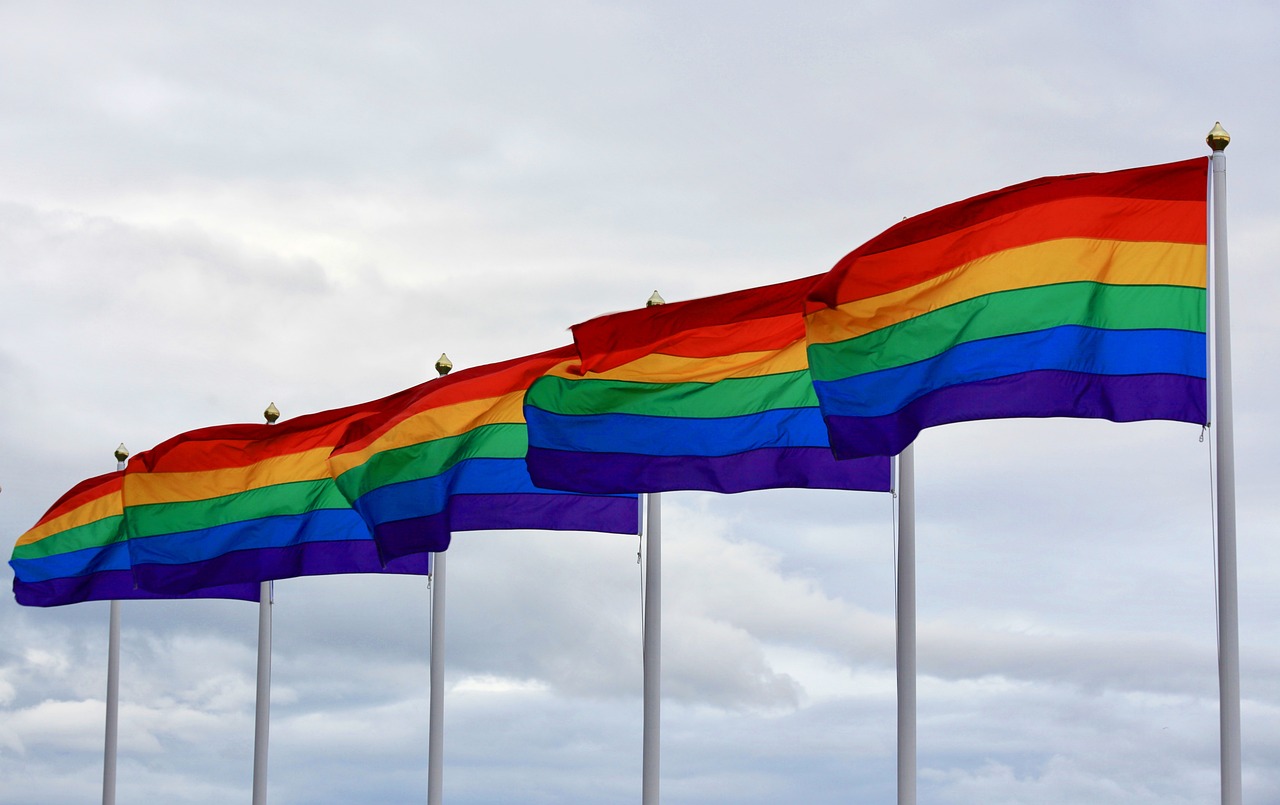
It would also criminalise what it describes as the “wilful promotion, sponsorship, or support of LGBTQ+ activities,” a provision critics say could be used to target activists, journalists, civil society organisations, and even private citizens expressing support for sexual and gender minorities.
The bill was originally passed by parliament in February 2024 but was never enacted. Then-president Nana Akufo-Addo did not sign it into law before leaving office, leaving its fate unresolved as John Dramani Mahama assumed power in January. Under Ghana’s constitutional framework, any bill approved by parliament must receive presidential assent before it can take effect.
The Bill and Legislation
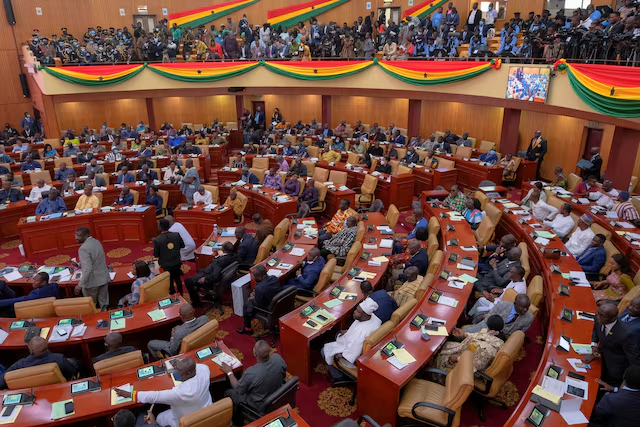
Now, lawmakers have revived the legislation. Sponsors including ruling party MPs Samuel Nartey George and Emmanuel Kwasi Bedzrah, along with opposition MP John Ntim Fordjour, confirmed that the same bill was reintroduced on February 25 with the backing of ten legislators.
Their move signals a renewed push to codify stricter controls on LGBTQ rights despite earlier legal and political setbacks.
Supporters of the bill argue that it reflects widely held social values in Ghana, where public opinion polling has consistently shown low levels of acceptance for LGBTQ identities. For backers, the legislation is framed as a defence of cultural norms and national identity in the face of what they view as external pressure to liberalise.
Critics, however, warn that the bill represents a sharp escalation in the restriction of civil liberties. By extending criminal liability beyond same-sex relationships to include advocacy and perceived support, they argue, the law could have a chilling effect on free expression and civic engagement.
Among those speaking out is Va-Bene Elikem Fiatsi, a prominent transgender activist, who described the bill’s reintroduction as “disheartening and hard to process,” while emphasising that advocacy efforts would continue despite the risks. For many activists, the legislation is not only about legal penalties but about the broader message it sends regarding inclusion, identity, and belonging in Ghanaian society.
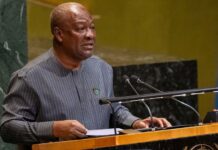
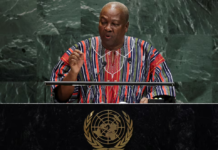
The future of the bill remains uncertain. President Mahama has indicated that he would prefer any such legislation to originate from the executive branch rather than from parliamentarians, suggesting that revisions or an alternative approach may be considered.
This stance introduces a degree of political ambiguity, even as pressure mounts from both supporters and opponents of the measure.
What this Means Economically
Economic implications have become a central concern in the debate. Ghana’s finance ministry previously warned that passing the bill could jeopardise approximately 3.8 billion dollars in financing from the World Bank and potentially derail a 3 billion dollar loan programme from the International Monetary Fund. For a country navigating fiscal challenges and seeking to stabilise its economy, the prospect of losing such support carries significant weight.
International partners have increasingly linked development assistance and investment to governance and human rights considerations. While not all institutions adopt uniform policies, the potential for financial repercussions underscores how domestic legislation can reverberate beyond national borders.
Despite these warnings, some proponents of the bill appear less concerned about external backlash. Fordjour suggested that shifting global political dynamics may reduce the likelihood of punitive measures, arguing that the current international climate is more receptive to conservative social policies.
He pointed to statements by Donald Trump as indicative of a broader ideological shift that could embolden countries to pursue such legislation without fear of sanctions.
This perspective reflects a growing confidence among some policymakers that geopolitical changes are altering the balance of influence in global human rights debates. At the same time, it highlights the extent to which domestic policy decisions are increasingly intertwined with international political currents.
The reintroduction of the bill also comes at a moment when Ghana has been active on the global stage in other areas, particularly in advocating for historical justice related to the transatlantic slave trade. This dual posture, championing reparations internationally while advancing restrictive social legislation domestically, has prompted debate about consistency in the country’s human rights approach.
For supporters, these issues are distinct, rooted in different historical and cultural contexts. For critics, they reveal tensions between Ghana’s global leadership ambitions and its internal policy choices.
What is undeniable is that the bill has become a focal point for broader discussions about sovereignty, values, and the limits of external influence. For many Ghanaians, the question is not only about the legal status of LGBTQ individuals but also about who gets to define the country’s moral and cultural framework.
As parliament revisits the legislation, the outcome will likely have far-reaching implications. It could shape Ghana’s international relationships, influence its economic trajectory, and redefine the boundaries of rights and freedoms within the country.
For now, the bill remains under consideration, its future uncertain. But the debate it has sparked, both within Ghana and beyond, shows no sign of fading.