
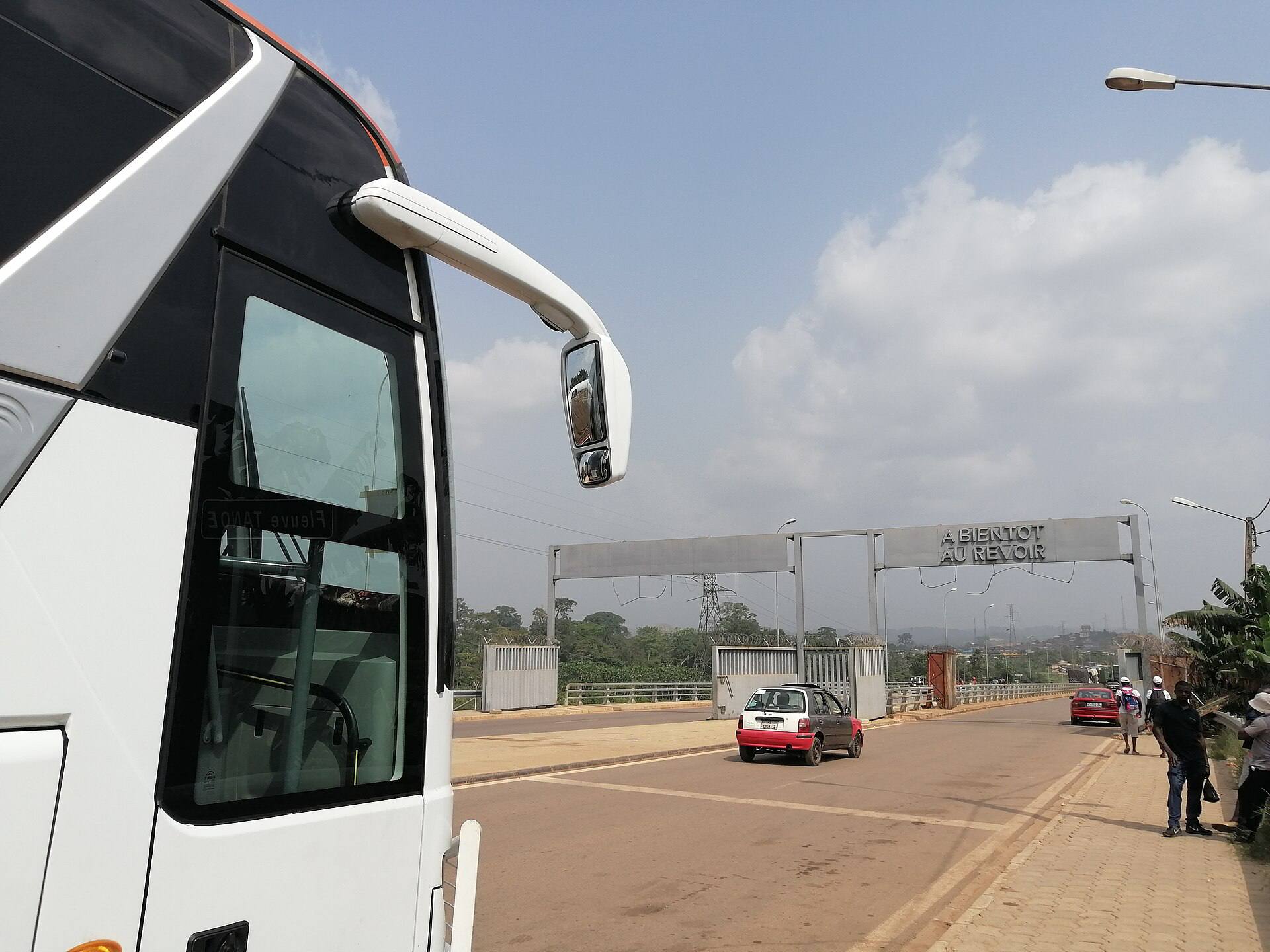
Côte d’Ivoire — The land border between Ghana and Ivory Coast has officially reopened, bringing an end to a closure that had remained in place since March 2020 at the height of the global COVID-19 pandemic. The reopening marks a significant step toward restoring normal movement, economic activity, and regional cooperation between the two neighboring nations after years of disruption.
The announcement was confirmed by Moses Akakpo, Public Relations Officer of the Ghana Immigration Service in the Western Region.
“We are all aware that that side of our border has remained closed since the coronavirus outbreak,” Mr. Akakpo stated, referring to the prolonged restrictions that had affected travel, commerce, and daily life for thousands of people living along the border.
While Ghana reopened its side of the border in March 2022 as part of a broader easing of pandemic-related restrictions, Ivory Coast had until now kept its borders shut, limiting the free flow of goods and people between the two countries. The staggered reopening created logistical challenges and uncertainty for traders, transport operators, and families who rely on cross-border connections.
“I can confirm to you and your listeners that our brothers in Ivory Coast have now opened their side, and people with intact documents who want to travel can do so without any restrictions,” Mr. Akakpo added. His statement signals a return to full bilateral movement, provided travelers comply with immigration requirements.
He also issued a strong warning to travelers, advising them to use only legal routes and avoid unauthorized entry points.
“Those who use illegal travel methods should be warned that they will not be spared if caught. Once they have genuine documents, our officers at the Elubo border will assist them in traveling without difficulty,” he said.
The reopening is expected to boost cross-border trade, tourism, and personal travel between the two nations, particularly for communities along the Elubo–Noé corridor, one of the busiest and most economically vital crossing points in the region.
Impact of the Pandemic on Border Communities
When the COVID-19 pandemic began spreading globally in early 2020, governments across Africa and beyond moved quickly to close borders in an effort to limit transmission. For countries like Ghana and Ivory Coast, where cross-border interaction is deeply woven into daily life, the closures had far-reaching consequences.
Communities along the border, many of whom share ethnic, linguistic, and family ties were suddenly cut off from one another. Traders who regularly moved goods such as food, textiles, and manufactured products found themselves unable to operate normally. Informal trade, which plays a significant role in local economies, was particularly hard hit.
The restrictions also disrupted supply chains. Agricultural producers in border regions struggled to transport goods to markets, while businesses that relied on imported products faced shortages and rising costs. For many small-scale traders, the closure meant a complete loss of income.
Economic Significance of the Ghana–Ivory Coast Border
The border between Ghana and Ivory Coast is one of the most important in West Africa, both economically and strategically. The two countries are among the region’s largest economies and are major producers of commodities such as cocoa, gold, and oil.
The Elubo–Noé corridor serves as a critical gateway for trade, connecting Ghana’s Western Region to Ivory Coast’s southwestern territories. Trucks carrying goods move through the corridor daily under normal conditions, facilitating commerce not only between the two countries but also across the wider West African subregion.
The reopening is expected to restore these flows, benefiting businesses and helping stabilize prices for goods that had become more expensive due to supply disruptions. It also aligns with broader regional goals under the Economic Community of West African States (ECOWAS), which promotes free movement of people and goods among member states.
Security and Immigration Concerns
While the reopening brings economic and social benefits, authorities are also emphasizing the importance of maintaining border security. The warning issued by Mr. Akakpo highlights ongoing concerns about illegal crossings, smuggling, and undocumented travel.
During the period of closure, some individuals resorted to unapproved routes to cross the border, often risking their safety and undermining official controls. These practices not only pose security challenges but can also complicate efforts to monitor public health and enforce immigration laws.
The Ghana Immigration Service has reiterated that travelers must carry valid documents and use designated entry points. Officials at the border, particularly at Elubo, are expected to facilitate smooth processing for those who comply with the rules while taking firm action against violations.
Beyond economics, the reopening holds deep social significance. Many communities along the Ghana–Ivory Coast border share long-standing cultural ties that predate modern national boundaries. Families often have members living on both sides, and cross-border visits are a regular part of life.
The closure disrupted these relationships, preventing people from attending family events, visiting relatives, or participating in cultural and religious activities. The reopening restores these connections, allowing communities to rebuild social bonds that were strained during the pandemic years.
Tourism and Regional Mobility
The renewed access is also expected to benefit tourism. Both Ghana and Ivory Coast have been working to promote travel within West Africa, highlighting attractions such as beaches, cultural festivals, and historical sites.
Easier movement across the border could encourage more regional tourism, particularly among travelers who prefer overland routes. It may also support initiatives aimed at strengthening cultural exchange and regional integration.
The prolonged closure of the border underscores the lasting impact of the COVID-19 pandemic on global mobility. While necessary at the time to control the spread of the virus, such measures revealed vulnerabilities in economic systems that depend heavily on cross-border interaction.
Governments have since been working to strike a balance between public health preparedness and economic resilience. The reopening of borders, including this one, reflects growing confidence in managing health risks while restoring normal activities.
The reopening of the Ghana–Ivory Coast land border represents a turning point for the region. It signals not only a recovery from the disruptions caused by the pandemic but also a renewed commitment to regional cooperation and integration.
For traders, it offers the promise of revived business opportunities. For families, it restores long-awaited connections. For governments, it provides a chance to strengthen systems that ensure both security and accessibility.
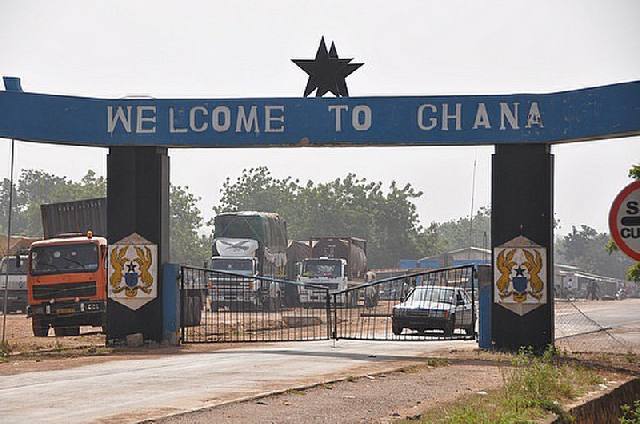 As movement resumes along the Elubo–Noé corridor, the focus will likely shift to ensuring that the benefits of reopening are fully realized while maintaining the safeguards needed to prevent future disruptions.
The experience of the past few years has highlighted the importance of adaptability, coordination, and resilience in the face of global challenges.