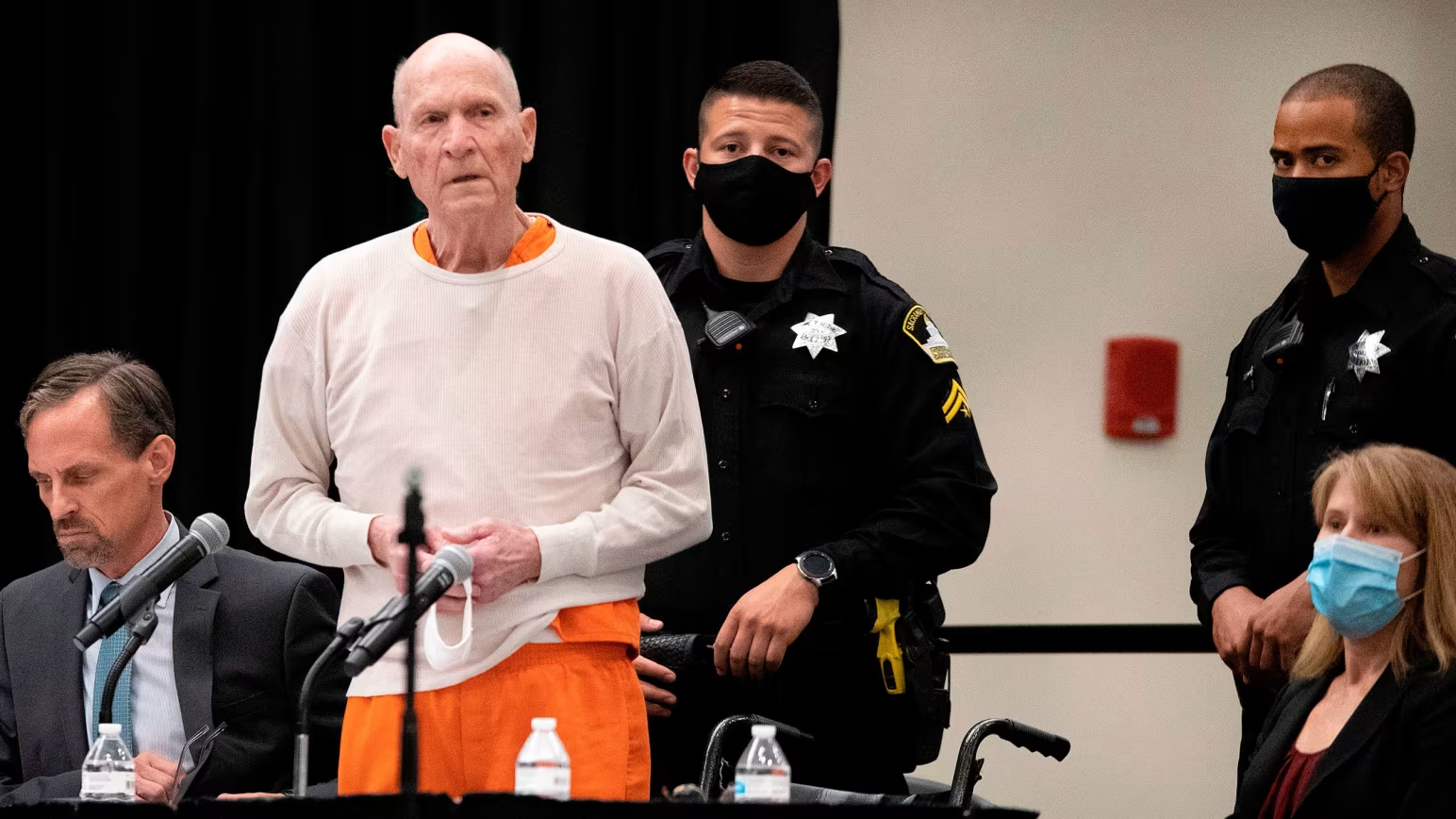
The name Joseph DeAngelo evokes both fear and fascination. Known to history as the Golden State Killer, DeAngelo stalked California neighborhoods with a chilling combination of patience, intelligence, and cruelty. From the mid-1970s to the mid-1980s, he escalated from petty burglaries to heinous assaults, rapes, and murders, leaving communities in shock.
For decades, his crimes remained unsolved, a source of terror across multiple counties. Yet the Golden State Killer investigation ultimately succeeded, combining perseverance, innovative forensic techniques, and survivor advocacy to bring a long-awaited measure of justice.
DeAngelo’s methodology was methodical and deliberate. He spent days observing victims, learning routines, and identifying weaknesses before striking.
Early on, he targeted women living alone, later broadening his crimes to include couples. After the attacks, he often stole personal items, trophies that allowed him to relive the terror he inflicted.
His criminal persona evolved over time, earning multiple nicknames such as the Visalia Ransacker, the Original Night Stalker, and the East Area Rapist.
What set DeAngelo apart from other serial offenders was his law enforcement background. He worked as a police officer, giving him intimate knowledge of investigative techniques and patrol patterns. This expertise allowed him to evade capture for decades, carefully orchestrating attacks without leaving immediate evidence of his presence.
The Path to Capture
Nearly forty years after his last known crime, DeAngelo was arrested in April 2018 in Citrus Heights, California. Detectives, armed with DNA evidence and genealogy techniques, cornered him without incident.
Wearing casual clothes and seemingly unaware of the magnitude of the moment, he was arrested outside his home, even protesting about a roast in his oven, highlighting the disconnect between the monster in the dark and the man in daylight.
Inside the interrogation room, DeAngelo appeared ordinary, almost frail. As prosecutors and investigators watched, he slumped in a plastic chair for nearly two hours, mumbling to himself.
His attempt to claim a split personality, blaming an imaginary “Jerry,” revealed a manipulative mind still attempting to control perception even after capture. Investigators noted that this was consistent with previous behavior, including a failed act of feigned insanity decades earlier.
From Burglaries to Brutality
DeAngelo’s initial crimes as the Visalia Ransacker were primarily burglaries, but his appetite for control escalated. By the time he became the East Area Rapist, he was breaking into homes to terrorize, assault, and dominate his victims.
For him, the acts were not just criminal but deeply psychological, rooted in a lifelong struggle with powerlessness. Childhood trauma, including witnessing his sister’s abuse and enduring physical punishment at home, shaped his understanding of control and dominance.
Even physical insecurities contributed to his pathology. Investigators noted that DeAngelo’s small stature and sense of inadequacy fueled a compulsive need to assert control over others.
His assaults were meticulous, premeditated exercises in domination, from stealing one earring and leaving another to bludgeoning victims to death with blunt objects, all while maintaining a calculated awareness of law enforcement responses.
Victim-Centered Justice
One of the defining aspects of the Golden State Killer investigation was the emphasis on the survivors. Prosecutor Thien Ho, who later authored a book detailing the case, focused on supporting victims throughout the legal process. Teams connected survivors with counseling, guided them through court proceedings, and offered tours of the courtroom, ensuring that each person could testify safely and confidently.
Some courtroom moments were profound and symbolic. One survivor, Jane Carson, brought Bonnie, a former fiancée of DeAngelo who had resisted his control decades earlier, into the courtroom.
Their presence visibly unnerved DeAngelo, demonstrating the reclaiming of agency and power by those he had once terrorized. Another survivor, Phyllis Hennemann, was able to experience justice in court shortly before her death, underscoring the emotional closure the case provided.
The Role of DNA and Genealogy
The breakthrough in the investigation came from advances in DNA technology and genetic genealogy. Samples from crime scenes were converted into a DNA profile, which investigators uploaded to genealogy databases.
This approach identified distant relatives, allowing the creation of extensive family trees. Through meticulous analysis, investigators narrowed potential suspects to three men, ultimately confirming DeAngelo’s identity through DNA obtained from his trash.
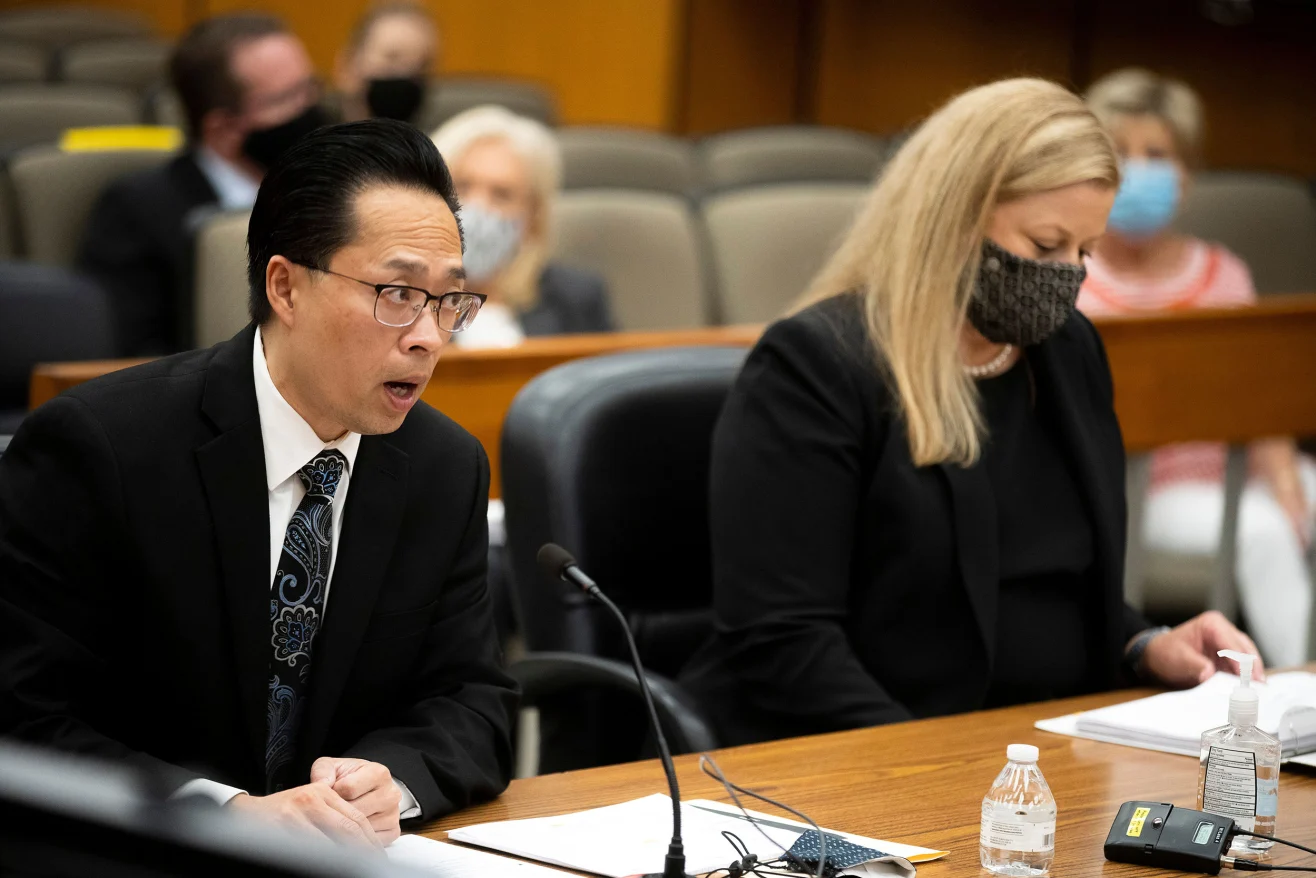

This method marked a turning point in forensic science, demonstrating the power of combining traditional detective work with modern technology. It also highlighted the importance of persistence, as the case had remained cold for decades despite the vast evidence of DeAngelo’s crimes.
The Brutality of the Crimes
Even after decades, investigators recall the chilling details of DeAngelo’s offenses. His attacks often involved bludgeoning victims with blunt instruments, allowing him to commit murders quietly and avoid attracting attention. Each crime reflected a pattern of meticulous planning and psychological domination. While some victims survived to provide testimony, the bodies of others bore the evidence of extreme violence, a testament to the calculated cruelty of his actions.
The possibility of additional, undiscovered victims remains. While DeAngelo’s last confirmed crime occurred in 1986, gaps in his known whereabouts suggest the potential for unreported murders. Investigators continue to consider the unknown, emphasizing that the case’s closure is a legal milestone, not a complete catalog of his crimes.
Life After Conviction
DeAngelo was convicted in August 2020 and sentenced to life imprisonment without parole. He is housed in a protective unit within a Central Valley prison in California, segregated from the general population for his safety.
This unit contains individuals such as sex offenders and those at risk of assault, ensuring he remains isolated while serving his sentence. His incarceration represents both retribution and containment, fulfilling society’s need for justice.
The Golden State Killer investigation is a rare example of enduring law enforcement persistence, forensic innovation, and survivor-centered justice. Joseph DeAngelo’s capture brought decades of fear to an end, not just through legal proceedings but by empowering victims to reclaim control.
From the terror he inflicted to the courtroom moments of reckoning, the case exemplifies how modern investigative techniques, combined with human resilience, can achieve justice even after decades. Beyond the headlines and historical notoriety, the story remains one of survival, accountability, and the enduring strength of the human spirit.