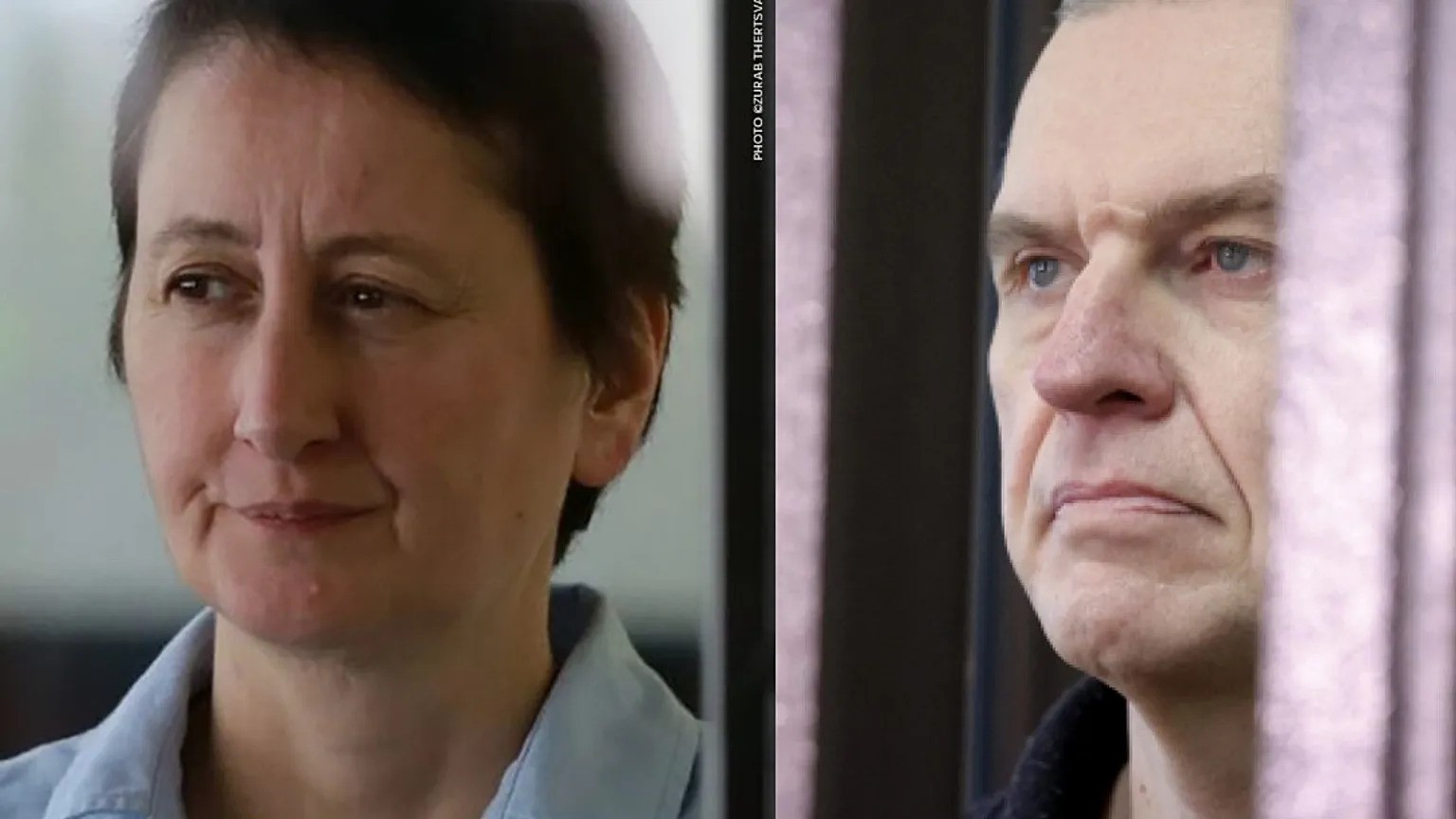
The Sakharov Prize for Freedom of Thought for 2025 has been awarded by the European Parliament to two imprisoned journalists: Andrzej Poczobut of Belarus and Mzia Amaglobeli of Georgia, the parliament announced on Wednesday.
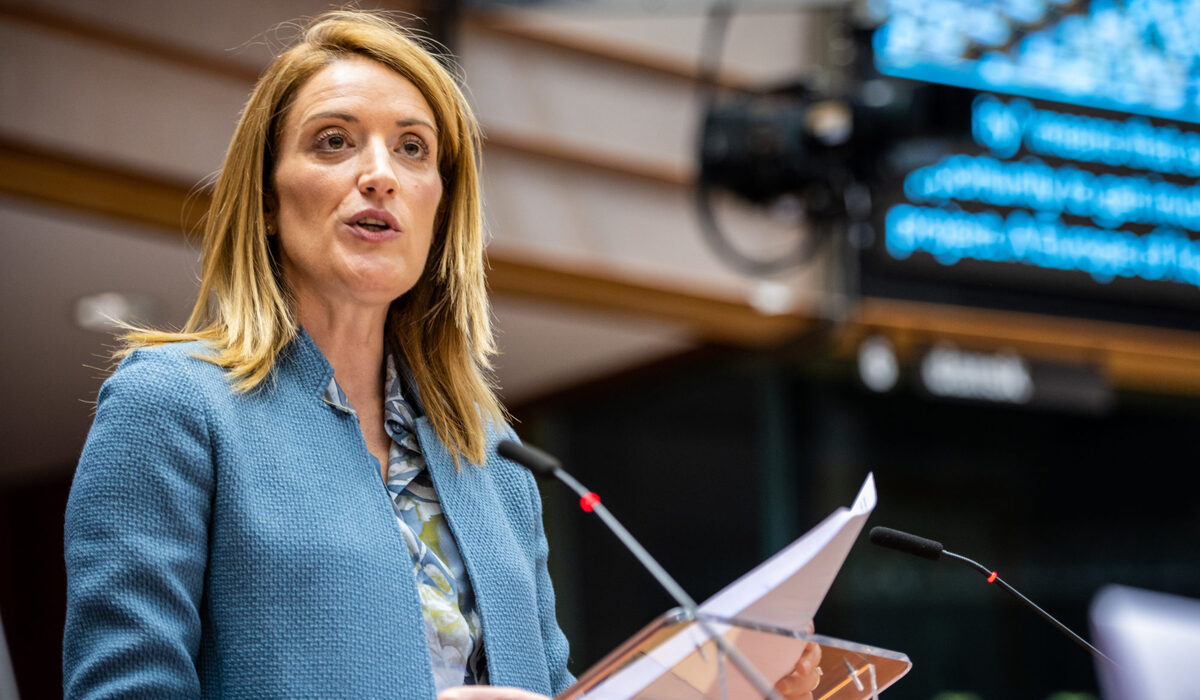
President of the European Parliament Roberta Metsola said the two recipients are “journalists currently in prison on trumped-up charges simply for doing their work and for speaking out against injustice. Their courage has made them symbols of the struggle for freedom and democracy.”
Poczobut, of Polish origin, was arrested in March 2021 in Belarus and in 2023 was sentenced to eight years in prison on charges of inciting ethnic hostility and undermining Belarusian security. Poland described the verdict as politically motivated. Amaglobeli, who founded two independent media outlets in Georgia, was sentenced in August to two years in prison after an incident in January when she slapped a police chief during an anti-government protest. A video of the incident circulated in Georgian media.
The Sakharov Prize, named in honour of the late Soviet dissident Andrei Sakharov, has been awarded annually since 1988 to individuals or organisations defending human rights and fundamental freedoms. Past winners include prominent names such as Alexei Navalny, Nelson Mandela, and Malala Yousafzai.
The decision to award the prize to Poczobut and Amaglobeli highlights the European Union’s focus on press freedom and the protection of journalists facing repression. By recognising them while they are imprisoned, the European Parliament is sending a strong message that coercion of the media will not go unnoticed.
Observers note that the situation for independent journalism in several countries has grown more difficult. In Belarus, authorities have systematically cracked down on the media and civil society, making Poczobut’s case emblematic of the broader challenge in the region. In Georgia, although nominally democratic, concerns over political interference and press harassment have been raised. Amaglobeli’s arrest and sentence drew sharp criticism from international watchdogs at the time.
The award now brings added international attention to the plight of the two journalists and reinforces calls for their release. It also reinforces the European Union’s willingness to use symbolic honours to support free expression and to apply pressure on governments that restrict it.
The European Parliament said it will present the prize at a ceremony later this year, during which it will formally recognise the laureates and their contributions. The recognition of Poczobut and Amaglobeli may further mobilise support from other nations and media organisations globally, hoping to advance the cause of freedom of thought and independent journalism.