Egypt has opened a massive new museum near the famous Giza Pyramids, hoping it will bring back millions of tourists and give the economy a strong lift.
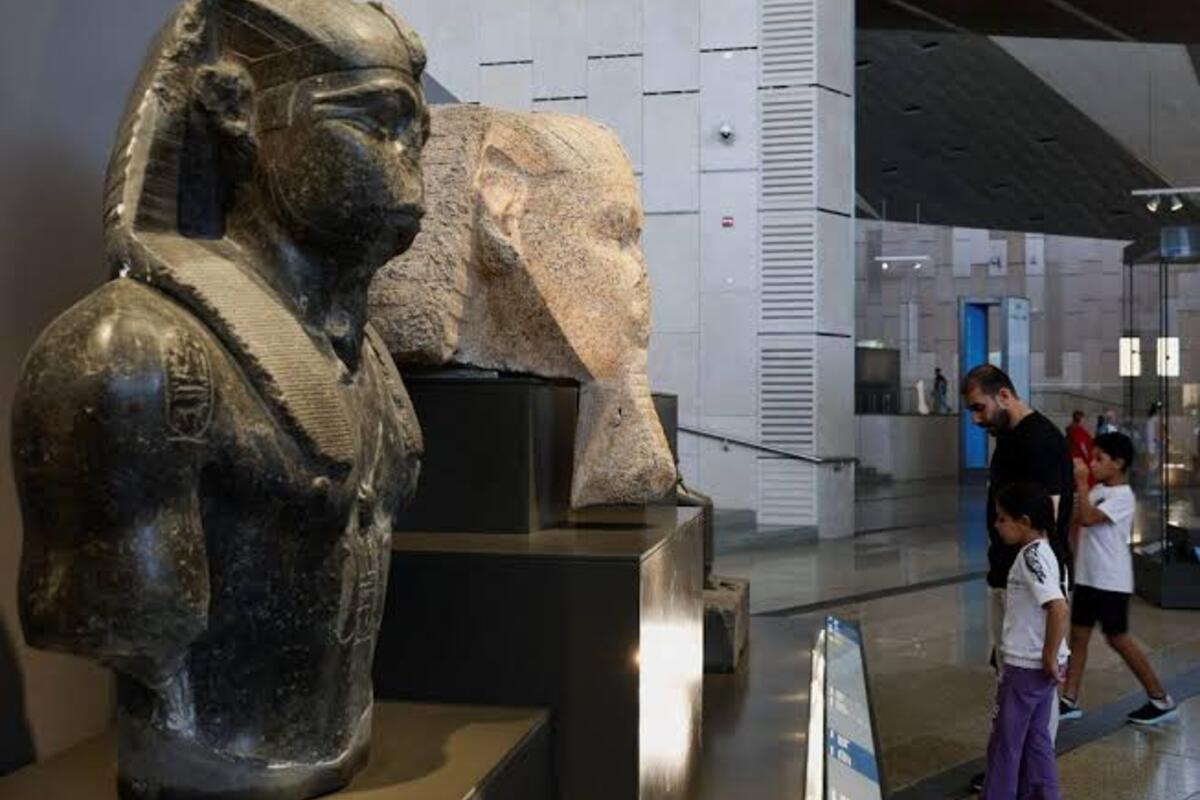
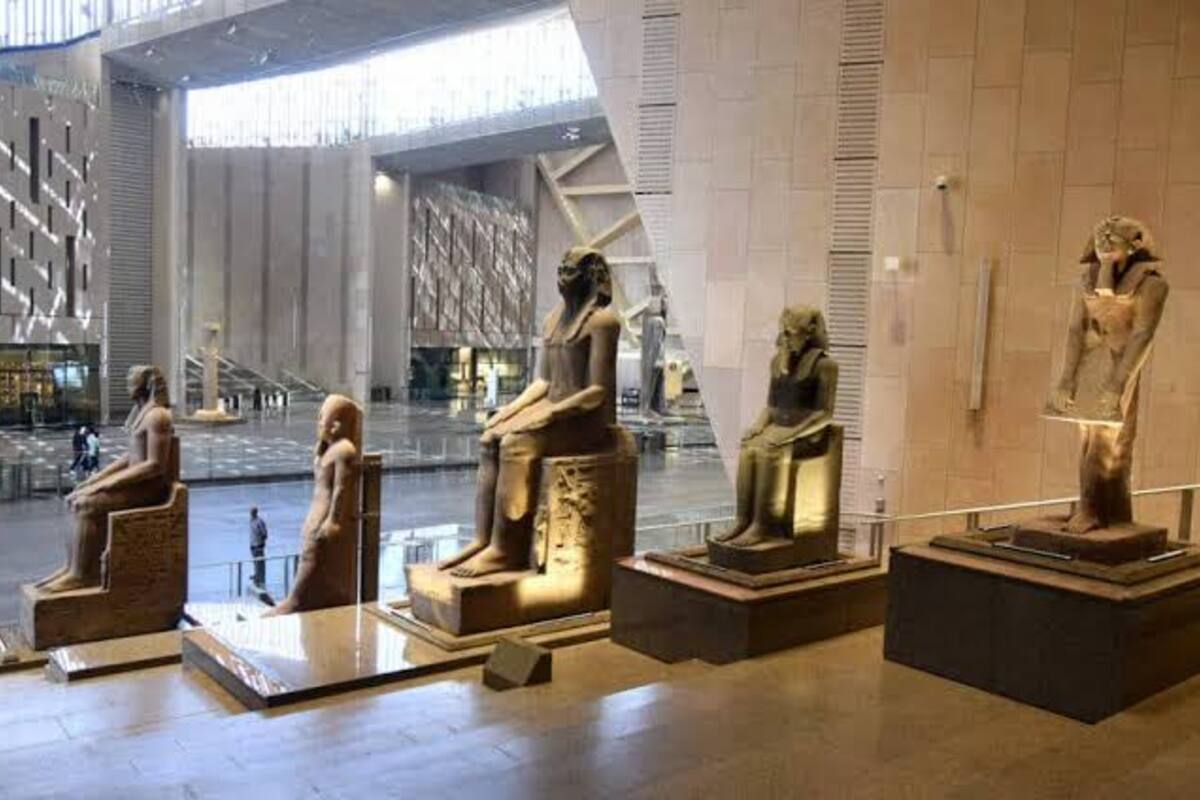
The Grand Egyptian Museum, often called GEM, is one of the largest museums in the world. It covers about 500,000 square meters and stands just a short distance from the ancient Pyramids. Inside, it will hold more than 100,000 ancient objects, including the full treasure collection of the young Pharaoh Tutankhamun. Many of these items have never been shown to the public before.

Egyptian officials believe the new museum could attract around seven million extra visitors every year. They hope the country can reach 30 million tourists by 2030. Tourism is one of Egypt’s main sources of foreign money, which the country needs to buy important goods like fuel and food.
Last year, Egypt welcomed about 15.7 million visitors, who spent roughly 15 billion dollars. That is a big improvement from 2015 and 2016, when tourism dropped to only 3.8 billion dollars after years of political unrest. Still, Egypt’s numbers remain lower than those of nearby countries like Turkey, which recorded over 50 million tourists last year.
The Grand Egyptian Museum is designed to be more modern and interactive than the old Egyptian Museum in central Cairo. It will use virtual-reality technology and better lighting to make the experience more exciting for visitors. Experts say this modern style will help Egypt compete with other major cultural destinations around the world.
The government is also improving roads leading to the Pyramids, building new hotels, and making it easier for tourists to travel around Cairo. These changes aim to make visiting the museum and nearby attractions more comfortable and enjoyable.
Egypt hopes that the new museum will encourage more cultural tourism where visitors come to learn about history and stay longer. Officials believe this could increase spending and create new jobs for locals.
As the Grand Egyptian Museum opens its doors, many see it as a new beginning for Egypt’s tourism industry and a symbol of national pride beside the world’s most famous ancient wonders.