In today’s interconnected world, cultural exchange is more important than ever. As technology and travel bring people closer together, the ways in which we share traditions, knowledge, and experiences have multiplied. Cultural exchange allows us to see the world through different lenses, fostering empathy, breaking down stereotypes, and promoting peace.
🌍 How Cultures Connect
Student Programs — Study abroad opportunities allow young people to experience life in another country, immersing themselves in new languages, customs, and academic environments.
Erasmus+ (Europe): Offers study and training exchanges across EU member states.
Fulbright Program (USA): Provides scholarships for students, scholars, and professionals to study, teach, or conduct research abroad.
JET Programme (Japan): Brings graduates from around the world to teach English and promote cultural exchange in Japanese communities.
DAAD (Germany): Provides funding for international students and researchers to study in Germany.
Beyond academics, these programs build friendships and networks that foster global understanding for decades.
Festivals
Global celebrations like Carnival in Brazil, Diwali in India, and Lunar New Year across East Asia showcase traditions of joy, spirituality, and heritage. Increasingly, these festivals are celebrated worldwide, allowing people far from their origins to experience and appreciate cultural diversity.
Digital Spaces
Social media platforms, online classrooms, and cultural forums have made exchange possible without boarding a plane. From language-learning apps to collaborative international projects, the digital era provides unprecedented access to different ways of life.
Cultural exchange is more than just sharing traditions — it is about mutual growth.
It fosters empathy by encouraging people to step into one another’s shoes.
It reduces stereotypes by offering authentic, first-hand perspectives.
It promotes cooperation, preparing individuals and nations to address global challenges together.
In an era of globalization, cultural exchange is a powerful tool for understanding and peace. It reminds us that while languages, rituals, and customs differ, the human desire for connection is universal.
🌟 A Living Example
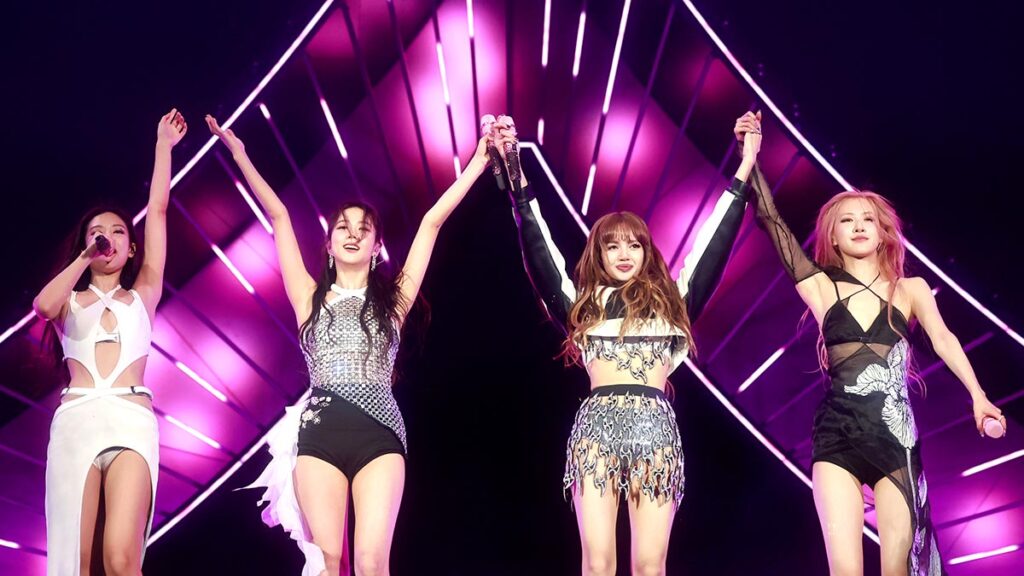
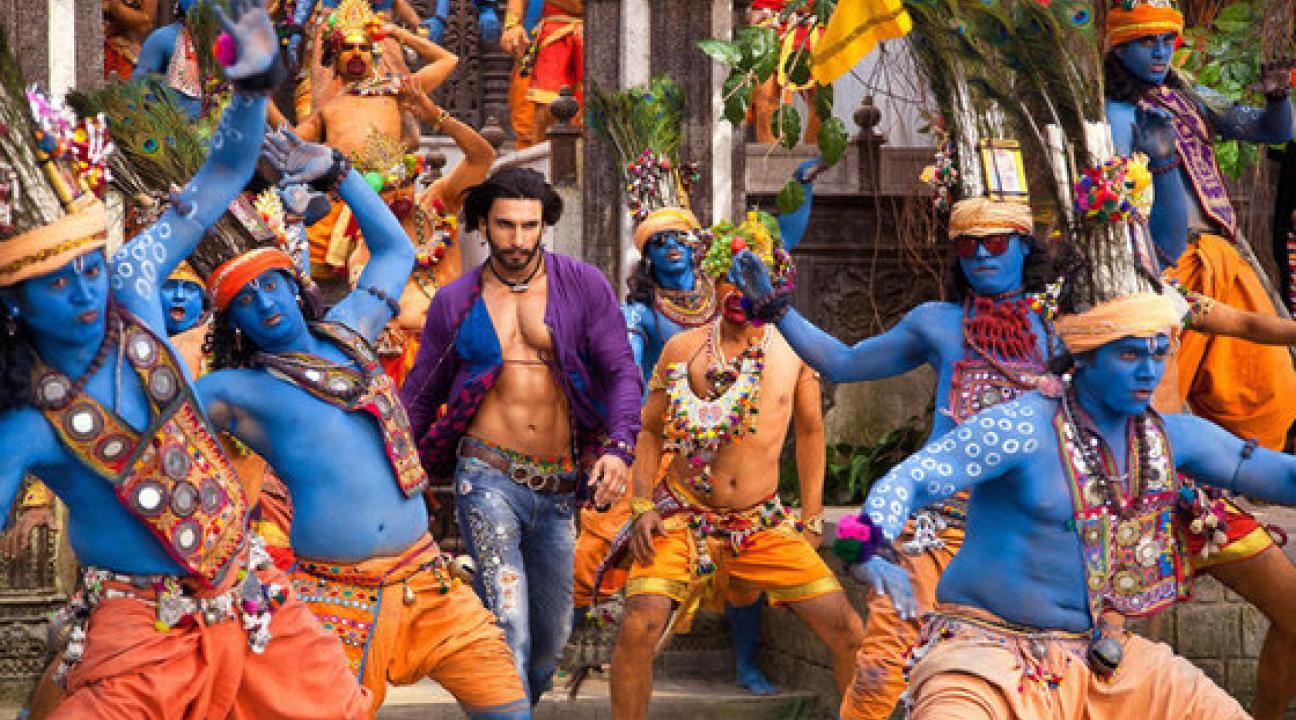
Consider how K-pop concerts in North America, Bollywood films in Europe, or yoga classes in Africa reflect a world where cultural borders are more porous than ever. Each interaction, big or small, is part of a larger tapestry of global understanding.


Takeaway: Cultural exchange in the 21st century is not just about preserving traditions but about sharing them in ways that bring people closer.


Whether through study abroad, festivals, or digital platforms, it enriches individuals and societies alike.