The Ukraine corruption crisis has erupted at a time when the country can least afford political instability. With the war against Russia grinding on, Kyiv now faces a new internal challenge that experts warn could undermine its military performance, damage international trust and weaken President Volodymyr Zelenskyy’s political standing.
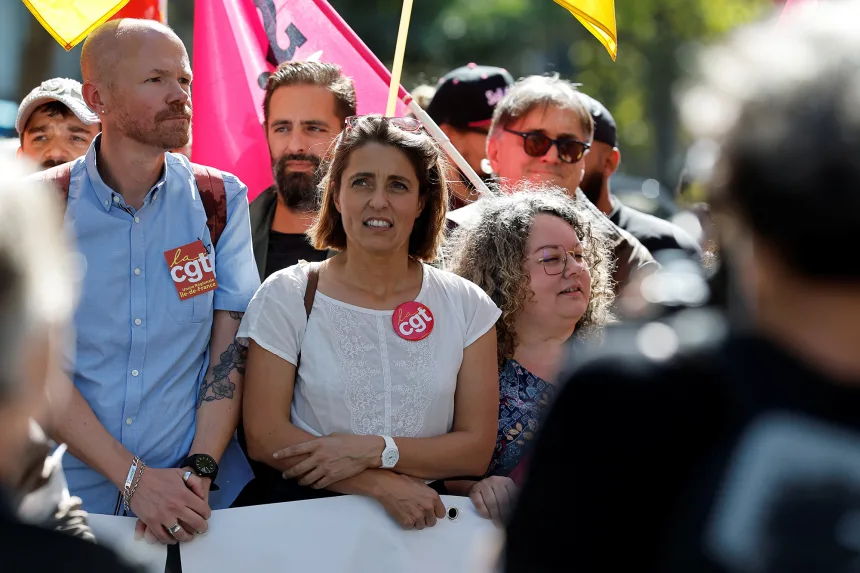
What began as a series of disputes over transparency and oversight quickly escalated into mass protests and a heated debate about the future of Ukraine’s anti-corruption institutions. Critics say the government’s recent actions suggested an attempt to weaken agencies that play a critical role in exposing graft. Although lawmakers eventually moved to restore those safeguards, the episode raised questions about Kyiv’s commitment to clean governance during wartime.
This situation is perilous because corruption in wartime does more than spark public frustration. It disrupts vital supply lines, slows procurement and creates doubt among Western nations providing weapons and financial support. When the chain of accountability is unclear, the risk increases that military units receive delayed or inadequate equipment. Even the perception of corruption is damaging because foreign partners may respond by tightening conditions on aid or delaying approvals for essential deliveries.
Inside Ukraine, the crisis has put heavy strain on Zelenskyy’s leadership image. His reputation for strong wartime decision-making has long been a unifying force for the country. But the political shockwaves from this corruption scandal have shaken public confidence. Civil society groups argue that the fight against graft cannot be sidelined, even during a national emergency. Many Ukrainians see transparency as part of the national identity they are defending, especially after years of reforms aimed at aligning with European standards.
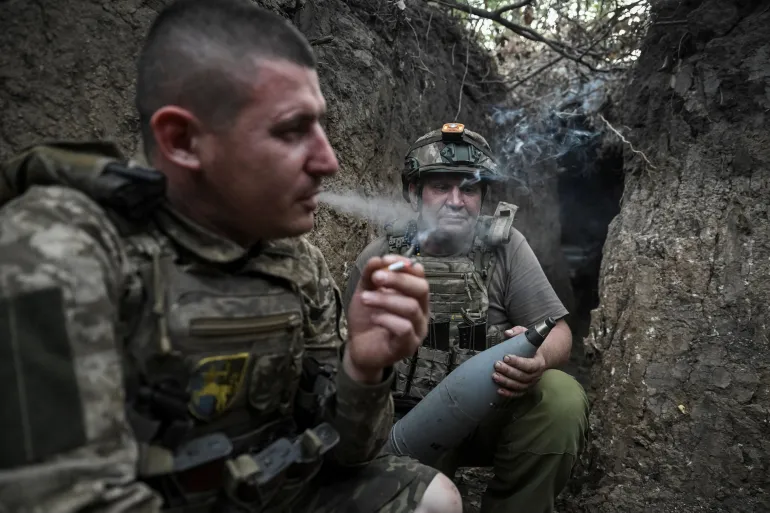
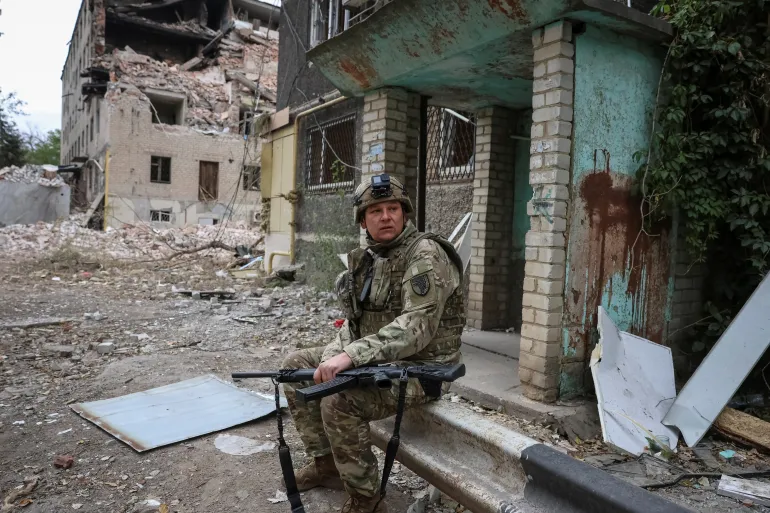
Experts who study military logistics warn that corruption has real battlefield consequences. Poor oversight can lead to inflated contracts, inconsistent supply flows or the procurement of lower quality equipment. These problems can erode troop morale, as soldiers expect the state to support them with reliable and fair systems. When fighters hear reports of corruption back home, it can deepen frustration and sap trust in military and political leadership.
International supporters are also watching closely. Ukraine’s allies have invested heavily in weapons, training and financial assistance. Many of these nations require strong monitoring frameworks to justify ongoing support to their own citizens. Any indication that funds might be misused risks slowing down the assistance that Ukraine urgently needs. Analysts say this is one of the most serious threats arising from the corruption crisis because Ukraine relies on consistent Western backing to maintain its defenses.
Still, this crisis does not have to spiral further. Ukraine can blunt the damage by quickly reinforcing the independence of its anti-corruption institutions and making wartime procurement more transparent. Public reporting on major contracts, cooperation with international auditors and firm action against officials caught abusing the system can rebuild confidence. These steps are not only political necessities; they are strategic tools that can strengthen the war effort by showing Ukraine’s partners that the country remains committed to accountability even under enormous pressure.
In the end, the Ukraine corruption crisis is more than a domestic political issue. It has the potential to shape the course of the war itself. Ukraine’s ability to resist Russian aggression depends not only on military strength but on maintaining the trust of its citizens and allies. For Kyiv, proving that it can uphold integrity and transparency in the hardest of times may be just as important as achieving victories on the battlefield.