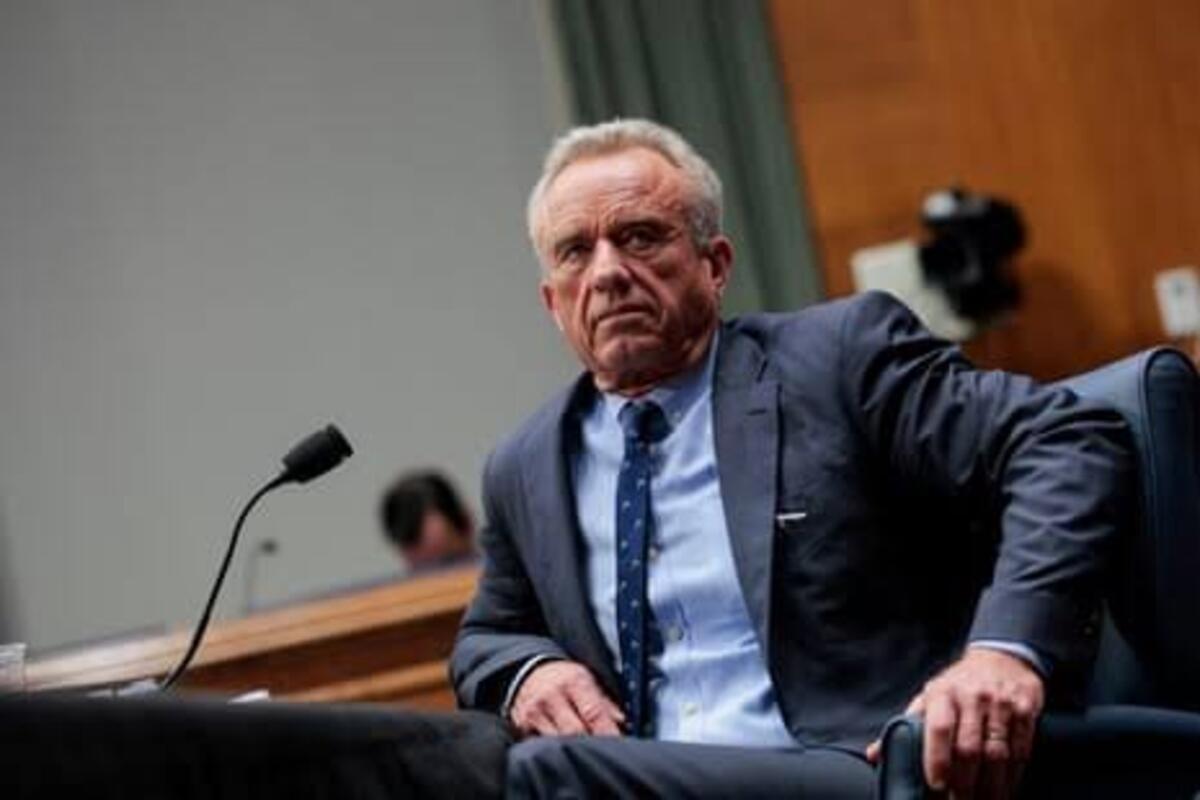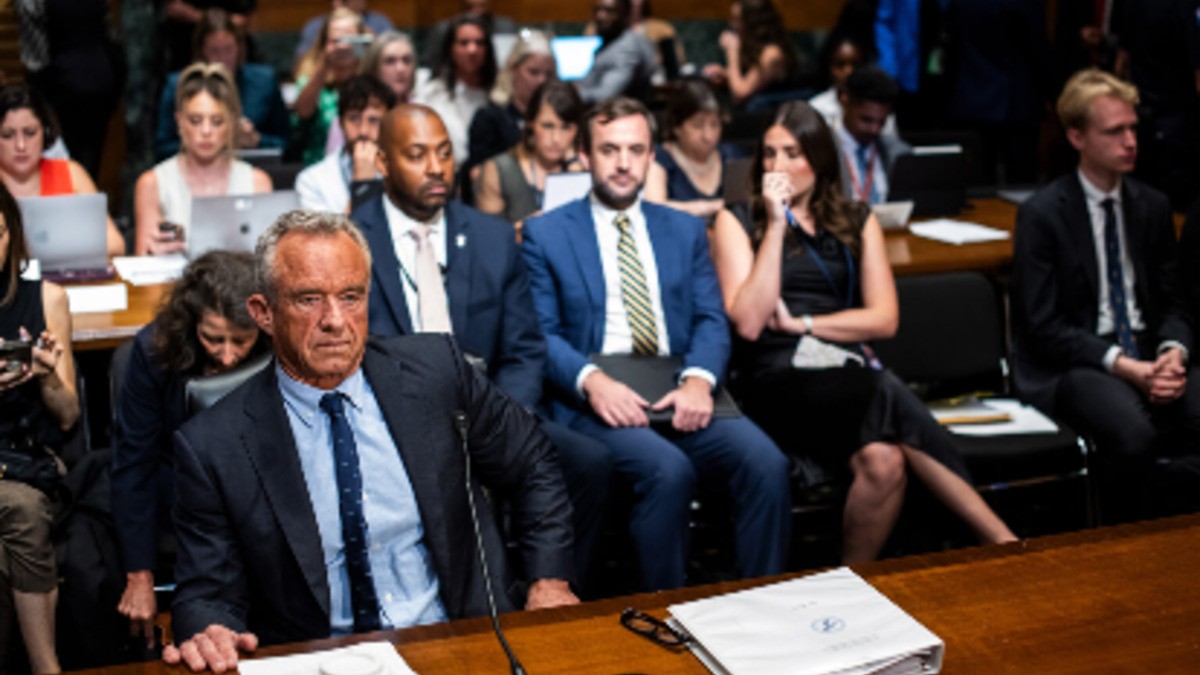
A growing chorus of public health experts and community advocates is raising alarms over recent appointments by Robert F. Kennedy Jr. to the Advisory Committee on Immunization Practices (ACIP), part of the U.S. Centers for Disease Control and Prevention (CDC). Several of the new appointees have little or no documented experience with vaccines, and some have previously questioned established vaccine science.


Earlier this year, Kennedy replaced all 17 existing ACIP advisers with new members. Five more were added this week, bringing to 13 the number of Kennedy appointees on the committee. The committee is set to vote soon on recommendations for several vaccines: the measles-mumps-rubella-varicella (MMRV) vaccine, the hepatitis B vaccine given at birth, and COVID-19 vaccines.
Critics warn that these votes could produce significant changes in vaccine policy, changes that might reduce vaccine coverage or weaken protections for children. For example, public health scientist Jessica Steier says that without strong ACIP recommendations, insurance coverage could be threatened, and programs like Vaccines for Children might stop providing certain shots. “Families who want to protect their children may lose that option,” she said.
Among the new appointees are individuals who have in the past opposed or raised doubts about vaccine safety. Catherine Stein has criticized mask mandates and made religious arguments against public health policies. Kirk Milhoan, a pediatric cardiologist, has raised concerns about the safety of the COVID-19 vaccine due to myocarditis risks. Evelyn Griffin has shifted toward holistic health and spoken out against vaccine mandates.
Observers say the issue is not just the views of individual members, but the broader shift in ACIP’s composition. Some former senior health officials claim they were ignored or felt pressured to participate in what they refer to as “unscientific processes.” Demetre Daskalakis, who previously oversaw vaccination work at the CDC, warned that the recommendation for the hepatitis B vaccine currently given at birth may be delayed until children are older, which could reverse decades of progress in suppressing the virus among infants.
As ACIP moves toward its votes, public health advocates fear that weakening vaccine guidance could lead to rising preventable disease, especially as measles outbreaks continue and the respiratory virus season approaches.