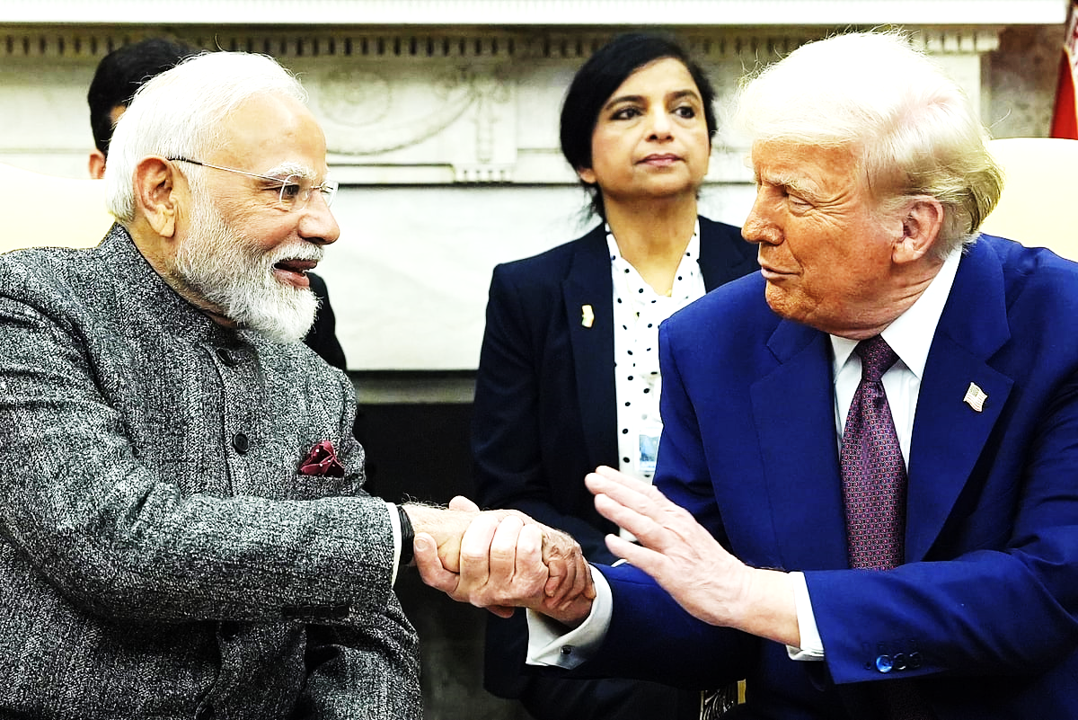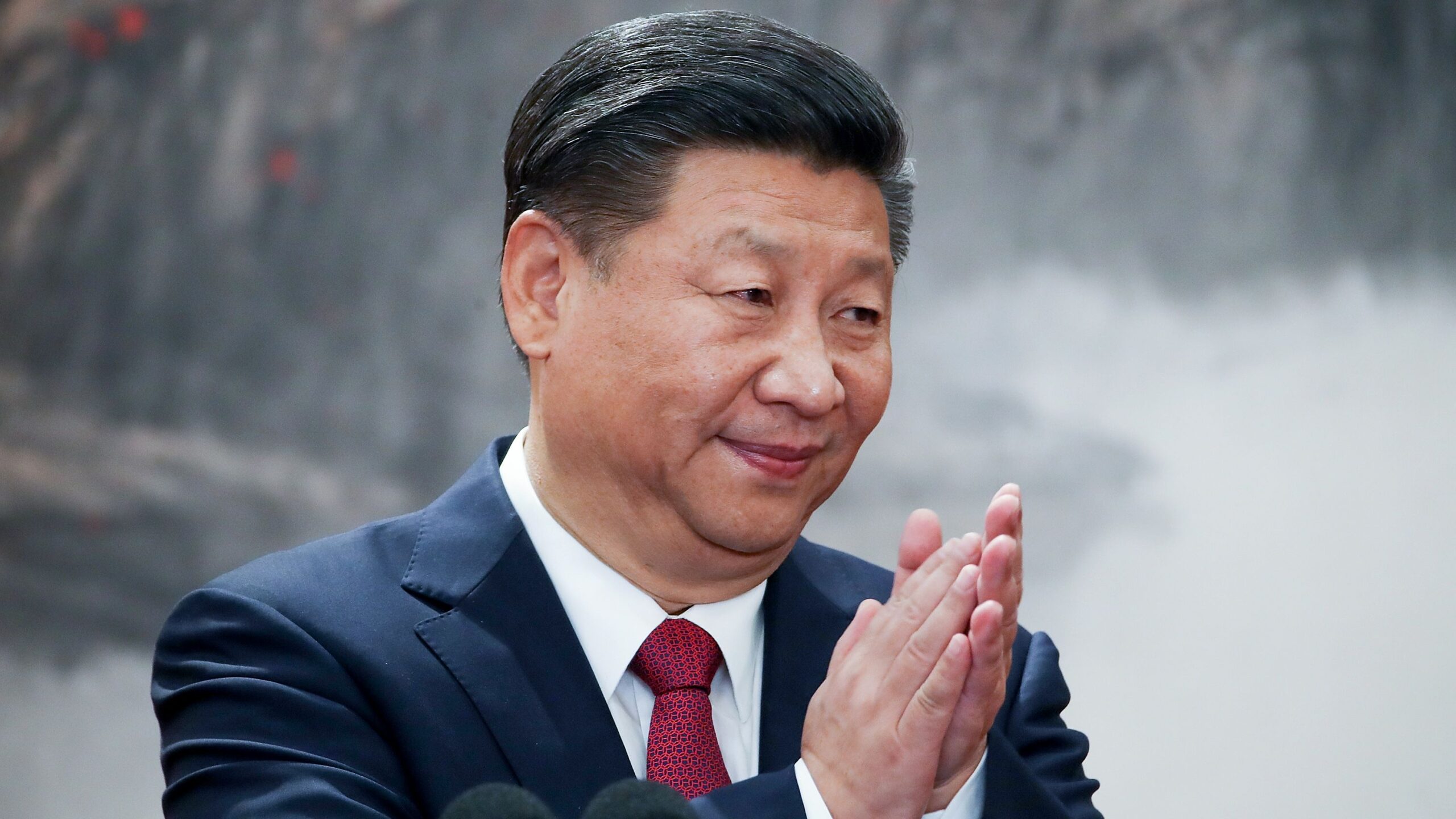
China warns Taiwan and human rights remain firm “red lines” following recent talks between Chinese President Xi Jinping and former U.S. President Donald Trump.
The statement, issued by China’s Foreign Ministry, underscores that while both leaders discussed trade, technology, and global stability, Beijing’s stance on sovereignty and internal affairs remains unchanged.
The meeting, widely seen as an attempt to reset strained ties, revealed deep differences on issues that have long defined U.S.-China relations. Despite talk of cooperation, the message from Beijing is clear: interference in Taiwan or human rights matters will not be tolerated.
At the center of China’s warning lies its position on Taiwan. Beijing reiterated that Taiwan is an inseparable part of its territory and that any moves toward independence, including U.S. political or military support for Taipei, cross a critical red line. Chinese officials emphasized that no country should test China’s patience on the matter.
This message follows years of rising tension in the Taiwan Strait, with increased Chinese military flights near the island and growing U.S. arms sales to Taipei. During the Trump-Xi talks, sources close to the discussions said Xi warned that any encouragement of “separatist forces” could lead to “serious consequences.”
For China, the Taiwan issue is more than a political dispute; it’s a matter of national unity and historical legacy. While Washington continues to emphasize its “One China” policy, it also insists that Taiwan’s future must be decided peacefully and without coercion. The result is a delicate diplomatic dance that risks confrontation if either side miscalculates.
In addition to the Taiwan warning, China warns Taiwan and human rights issues remain non-negotiable. Xi reportedly told Trump that China’s human rights record is a domestic matter and not open to outside interference. The Chinese side rejected what it described as Western double standards, saying that every nation has the right to pursue its own development path.
The U.S. has long criticized China’s human rights practices, particularly in Xinjiang and Hong Kong, where reports of detentions, surveillance, and restrictions on freedoms have drawn international attention. Trump raised these concerns during his tenure, and the Biden administration has continued similar pressure.
Beijing, however, insists that these measures are part of maintaining social order and national security. It accuses Washington of using human rights as a political tool to undermine China’s stability and global reputation.
While the Trump-Xi meeting was framed as constructive, it highlights the deep strategic rivalry between the two powers. China warns Taiwan and human rights issues because they represent the ideological and geopolitical boundaries of its national identity. For the U.S., they symbolize the defense of democratic values and international norms.
Behind the formal diplomacy, both sides are positioning for influence in Asia and beyond. Washington seeks to strengthen ties with allies such as Japan, South Korea, and the Philippines, while Beijing continues to expand its presence through the Belt and Road Initiative.
Analysts note that the talks, though cordial, showed that neither leader is ready to compromise on core interests.
The renewed warning from Beijing fits into a broader pattern of assertiveness that defines China’s foreign policy today. It signals to the world that China will not bend under Western pressure and that it expects others to respect its definition of sovereignty.
For the U.S., this poses a challenge: balancing competition with cooperation in areas like climate change, trade, and technology. The Trump-Xi dialogue may have reduced immediate tension, but it also revealed the depth of mistrust that now characterizes U.S.-China relations.
China warns Taiwan and human rights remain non-negotiable topics even as dialogue with the U.S. continues. The message is both diplomatic and defiant so cooperation is possible, but not at the expense of sovereignty or ideology. As global power dynamics evolve, the world will be watching how Washington and Beijing navigate these red lines — and whether conversation can truly lead to compromise.