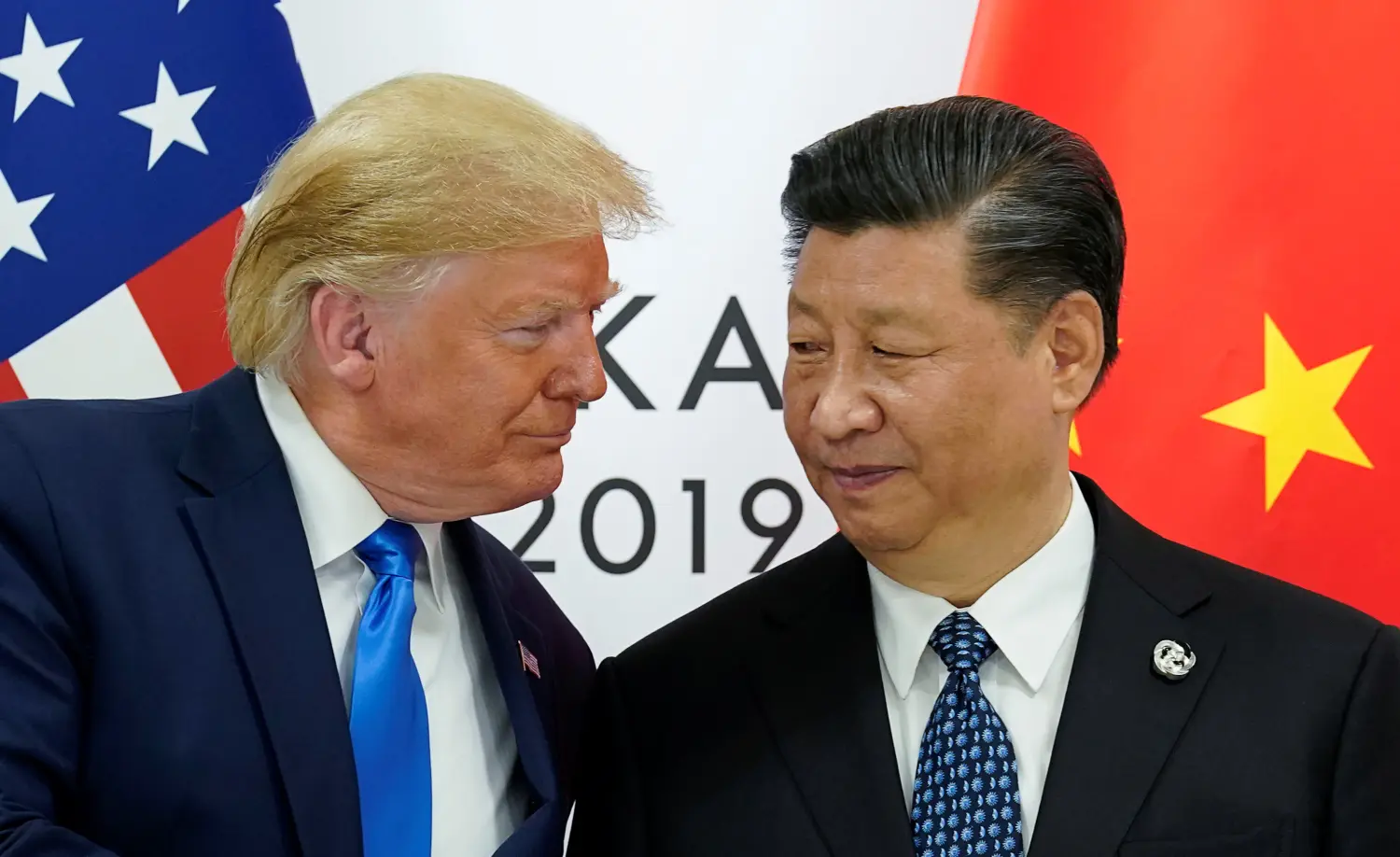
China has imposed sanctions on 20 U.S. defense-related companies and 10 senior executives in retaliation for Washington’s recent announcement of a massive arms sales package to Taiwan, a move that has further strained already tense relations between the world’s two largest economies.
Beijing targets companies and executives as tensions over Taiwan escalate
The sanctions, announced by China’s Foreign Ministry on Friday, include freezing the targeted companies’ assets within China and prohibiting Chinese individuals and organizations from engaging in any business dealings with them. The sanctioned executives are also barred from entering China, and any assets they hold in the country have been frozen.
The measures come just one week after the United States revealed plans to sell more than $10 billion worth of weapons to Taiwan, the self-governed island that Beijing claims as its own and has vowed to bring under its control, by force if necessary.
Major U.S. defense firms and executives named
Among the companies sanctioned are several of the most prominent names in the U.S. defense industry, including Northrop Grumman Systems Corporation, L3Harris Maritime Services, and Boeing’s defense operations based in St. Louis. The list also includes Anduril Industries, a rapidly growing defense technology firm, whose founder, Palmer Luckey, was named among the executives facing penalties.
Under the sanctions, these companies are prohibited from conducting any business activities in China, while the affected executives are banned from traveling to the country. Chinese authorities said the measures were necessary to safeguard national sovereignty and security.
“Any company or individual who engages in arms sales to Taiwan will pay the price for the wrongdoing,” the Foreign Ministry said in a statement, reiterating Beijing’s long-standing opposition to U.S. military support for the island.
Taiwan arms deal sparks diplomatic backlash
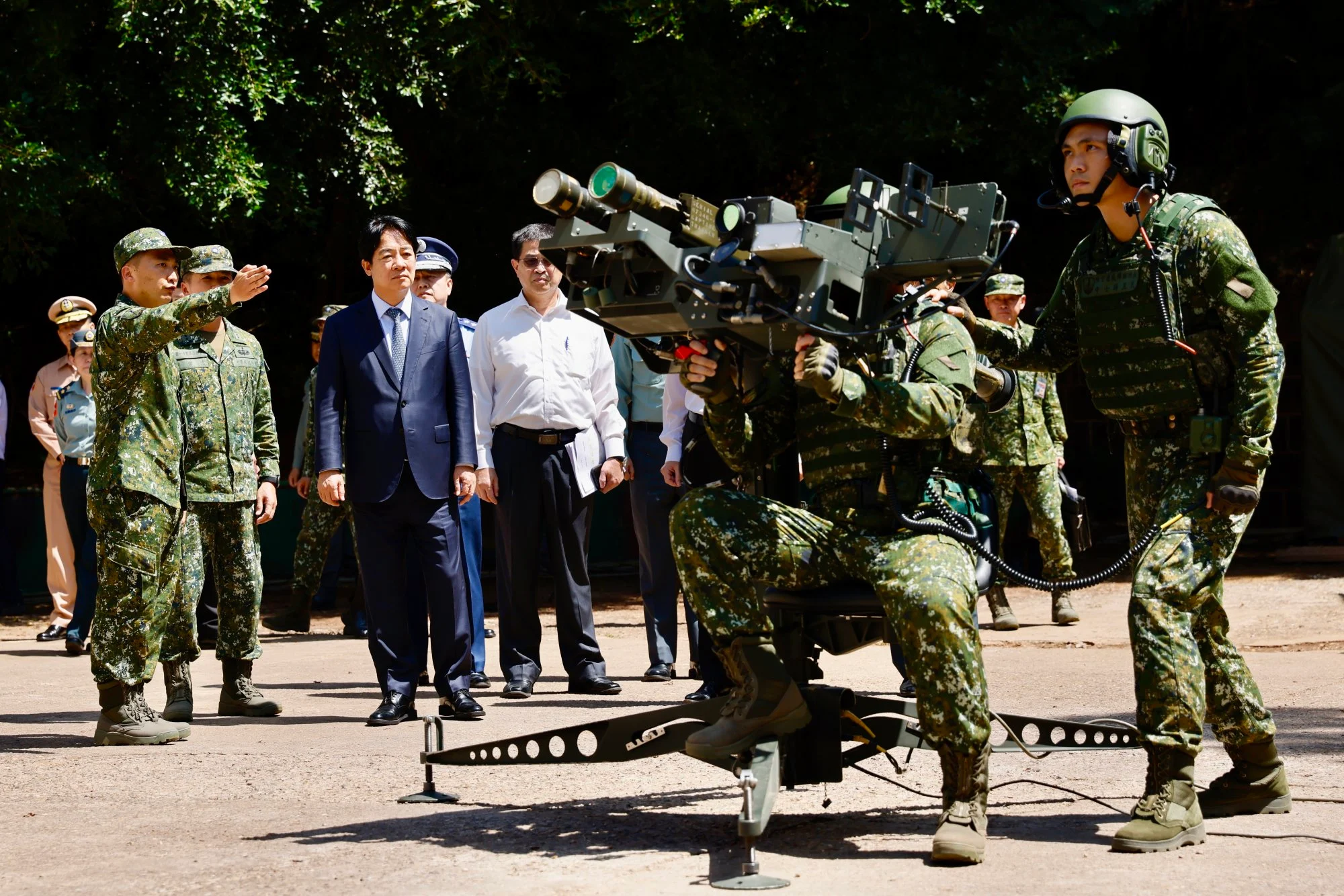
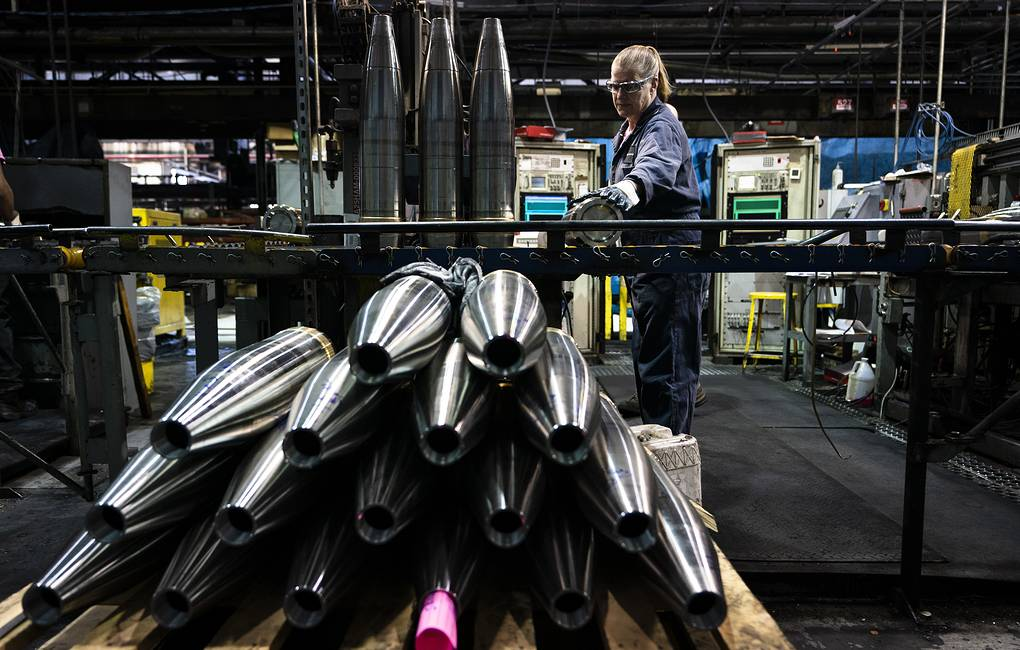
The sanctions were triggered by Washington’s announcement of a sweeping arms sales package to Taiwan, which includes missiles, artillery systems, drones, military software, and logistical support. Valued at more than $10 billion, the package would be the largest single U.S. arms sale to Taiwan if approved by Congress.
Beijing reacted angrily to the announcement, accusing the United States of violating bilateral agreements and undermining regional stability.
China has long argued that U.S. arms sales to Taiwan breach the spirit of the three joint communiqués that underpin diplomatic relations between Beijing and Washington, particularly the 1982 communiqué in which the U.S. pledged to gradually reduce arms sales to the island.
A growing flashpoint in U.S.–China relations
Taiwan has emerged as one of the most volatile and consequential flashpoints in U.S.–China relations, alongside disputes over trade, technology, human rights, and influence in the Indo-Pacific region. Analysts warn that miscalculation over Taiwan could spark a broader military confrontation between the two powers.
Beijing views Taiwan as a breakaway province that must eventually be reunified with the mainland, while Taiwan’s government rejects China’s sovereignty claims and insists that only the island’s 23 million people can decide their future.
In recent years, China has dramatically increased military pressure on Taiwan, conducting near-daily air and naval operations around the island. Chinese fighter jets and bombers routinely cross the median line of the Taiwan Strait, while warships conduct drills in surrounding waters.
These actions have heightened concerns in Washington and among U.S. allies that China may be preparing for a potential military operation against Taiwan.
U.S. legal obligations and strategic ambiguity
Under U.S. law, specifically the Taiwan Relations Act of 1979, Washington is required to provide Taiwan with the means to defend itself and to maintain the capacity to resist coercion against the island. While the law stops short of guaranteeing U.S. military intervention, it forms the legal basis for decades of arms sales to Taiwan.
Successive U.S. administrations have adhered to a policy of “strategic ambiguity,” deliberately leaving unclear whether the United States would intervene militarily in the event of a Chinese attack. However, the scale and sophistication of recent arms packages signal a growing emphasis on deterrence as China’s military capabilities expand.
U.S. officials have repeatedly said the arms sales are defensive in nature and aimed at preserving peace and stability in the Taiwan Strait.
China expands economic and political pressure
China’s sanctions on U.S. defense firms represent an expansion of Beijing’s toolkit for responding to actions it views as hostile. In addition to diplomatic protests and military signaling, China has increasingly turned to economic and legal measures to impose costs on foreign governments and corporations.
While the immediate financial impact of the sanctions on major U.S. defense contractors may be limited—many already have minimal exposure to the Chinese market, the move sends a strong political message and could deter other firms from engaging in defense-related business linked to Taiwan.
The sanctions also underscore Beijing’s willingness to target individuals, a tactic it has used previously against foreign officials, lawmakers, and executives involved in policies China opposes.
Taiwan’s central role in regional security
Taiwan occupies a strategically vital position in the first island chain stretching from Japan through the Philippines to Southeast Asia, a region central to U.S. and allied efforts to counter China’s growing influence. Control over Taiwan would significantly enhance China’s ability to project military power into the western Pacific.
For Taiwan, bolstering its defense capabilities has become an urgent priority. The island has committed to increasing defense spending and investing in asymmetric warfare capabilities, including mobile missile systems, drones, and hardened infrastructure designed to withstand a potential Chinese assault.
Taiwanese officials have repeatedly welcomed U.S. arms sales, saying they strengthen deterrence and reduce the likelihood of conflict.
Broader strains between Beijing and Washington
The latest dispute unfolds against the backdrop of deeply strained relations between Beijing and Washington. Tensions remain high over trade and tariffs, restrictions on advanced technology exports, allegations of human rights abuses in Xinjiang and Hong Kong, and competition for influence across Asia, Africa, and Latin America.
Despite occasional efforts to stabilize ties through high-level diplomatic engagement, mutual distrust remains entrenched. Analysts say Taiwan is increasingly viewed in Beijing as a litmus test of U.S. intentions and resolve.
China has warned that continued U.S. support for Taiwan risks pushing relations toward confrontation, while U.S. officials argue that Beijing’s growing military assertiveness is the primary driver of instability.
A narrowing window for de-escalation
As both sides harden their positions, experts warn that the room for compromise is shrinking. Beijing’s sanctions underscore its readiness to escalate pressure, while Washington shows no sign of retreating from its support for Taiwan’s defense.
With military activity intensifying around the island and diplomatic rhetoric sharpening, the Taiwan Strait remains one of the most dangerous fault lines in global geopolitics—one where economic rivalry, national identity, and military power collide.
For now, the sanctions mark the latest chapter in a deepening strategic rivalry, with Taiwan firmly at its center and the risks of miscalculation growing by the day.