A devastating Red Fort explosion in Delhi has shaken the Indian capital. In a crowded lane near the landmark, a vehicle bomb detonated, killing at least 10 people and injuring dozens more.
The incident has reignited concerns about urban security and the vulnerability of high-profile sites. Reports of the car blast near Red Fort swept through social media and news outlets within hours of the incident.
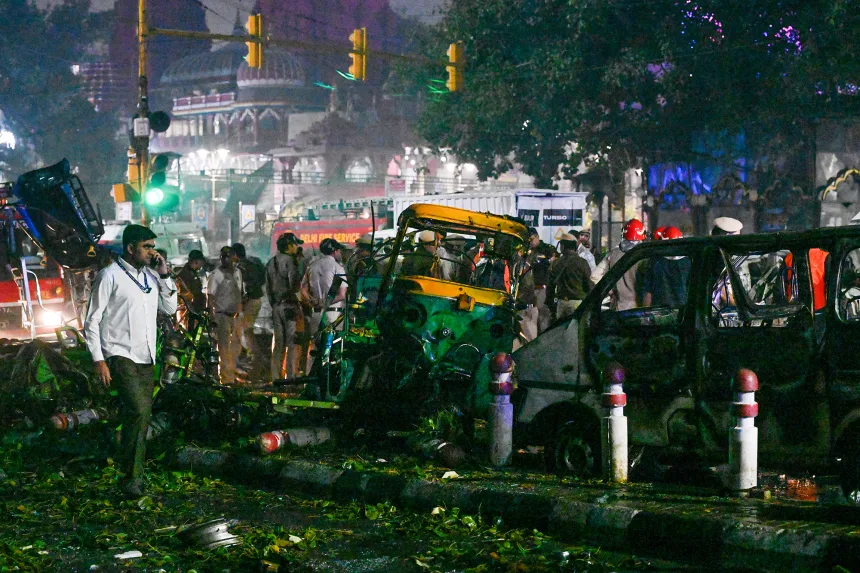
The explosion struck in the early evening of November 10, 2025, close to a busy metro station at the Red Fort’s edge. According to police, a slow-moving car halted at a traffic signal when it suddenly erupted in flames. Nearby vehicles were consumed, and pedestrians rushed in panic. Emergency services arrived swiftly to extinguish fires and tend to victims.
Officials confirmed that at least six cars and three auto-rickshaws caught fire. By some counts, the death toll reached 10, with over 20 injured and many in critical condition.
Witnesses recounted shock waves rattling buildings, bodies strewn across the road and horrifying scenes unfolding in seconds.
The Red Fort stands as a symbol of India’s heritage and sovereignty, each August, the prime minister waves the flag from its ramparts. An attack here is not only tragic but conveys a potent message.
Crowded streets, tourist traffic and historic architecture make the area both vulnerable and public. The choice of site could suggest an intent to provoke fear and gain maximum attention.
India’s federal anti-terror agency, National Investigation Agency (NIA), joined local police in probing the blast. Authorities have detained the vehicle’s registered owner and retrieved CCTV footage from the surrounding streets. Government officials emphasized that no avenue of investigation will be ruled out—from a terror attack to a mechanical malfunction.
In the aftermath, Delhi and neighboring states moved quickly to heighten security. Metro stations, airports and major religious sites were placed under alert.
The central government pledged that the perpetrators would be brought to justice and that public safety would be reinforced.
Beyond the headline numbers lies the human tragedy: families disrupted, lives ended prematurely and a city under stress. One victim’s mother described collapsing in grief, while first-responders spoke of managing a suddenly overwhelming casualty surge.
Hospitals queued ambulances, paramedics raced to stabilize the injured and bystanders filmed chaos on their smartphones.
The emotional ripple extends too. Residents in Old Delhi, already juggling daily pressures, now face renewed anxiety. Tourists and locals alike may reconsider visits to the area at least temporarily. For a landmark that draws crowds and commerce, the security implications are serious.
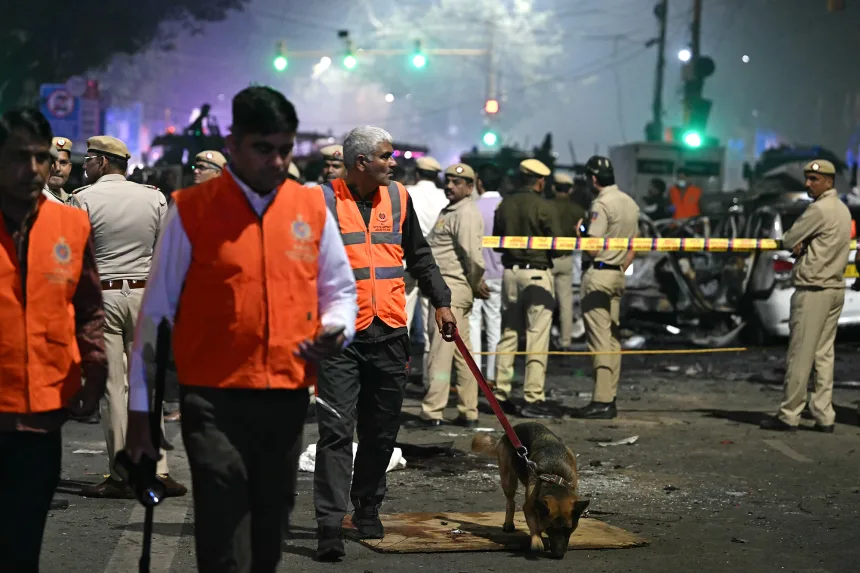

The car blast near Red Fort underscores how high-profile, high-density urban areas are strategic targets. Security experts say such incidents demand a layered approach better vehicle screening, tightened surveillance, intelligence sharing and rapid medical readiness. But they also raise tougher questions about the balance between openness and protection in public spaces.
For India, this event may prompt further investment in counter-terror infrastructure and scene-management protocols.
It complicates Delhi’s ambition to be both a heritage city and a forward-looking global hub. The incident also highlights a broader international trend involving urban landmarks as target zones where terror, defiance or panic can be amplified.
The fatal car blast near Red Fort sent shock waves through India’s capital, reminding us how vulnerability can intersect with symbolism in a single instant.
As investigations continue, the focus must remain on both accountability for the victims and prevention of future tragedies. At its heart, the incident challenges how cities keep both their histories and their people safe.