


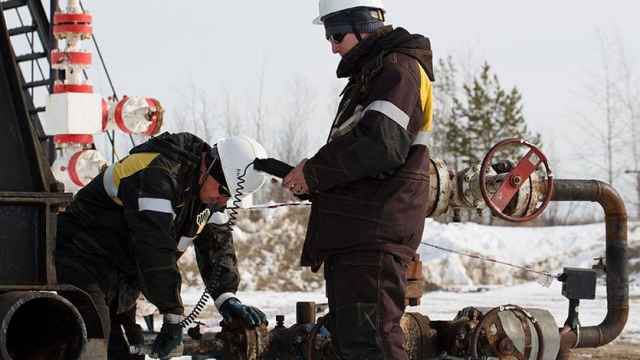
Is Russia’s economy at risk as oil revenues shrink? This question is now central to both economic analysts and global policymakers. For decades, oil and gas exports have served as the backbone of Russia’s economy, providing around 30% to 40% of government revenue. However, recent declines in oil earnings, coupled with sanctions and shifting energy markets, have raised concerns about long-term stability.
Russia’s federal budget has come under growing pressure. Reports show that oil revenues, particularly from crude and refined product exports, dropped in the past quarters. Western sanctions, designed to limit Russia’s access to international markets, have forced Moscow to sell crude at discounted prices. Key buyers like China and India have absorbed much of this supply, but at rates significantly below global benchmarks. This has left Moscow with fewer resources to finance its budget, including costly military operations.
At the same time, the European Union’s embargoes and G7 price caps on Russian oil have further restricted access to high-value markets. Before the Ukraine conflict, Europe accounted for nearly half of Russia’s oil and gas sales. Now, that figure has fallen sharply. While Moscow has shifted eastward, infrastructure limits and long transport routes make the adjustment costly and less profitable.
The ruble’s volatility adds another challenge. As oil revenues weaken, Russia’s currency has faced downward pressure, leading to higher inflation for imported goods. This impacts ordinary citizens by eroding purchasing power and raising living costs. Rising prices for food, fuel, and consumer goods could translate into political strain for the Kremlin if economic hardship continues.
Sanctions imposed by Western nations are reshaping Russia’s trade dynamics. The restrictions not only target energy sales but also limit access to foreign technology and financial services. For Russia’s oil sector, the loss of Western drilling equipment and expertise has constrained production capacity, particularly in challenging Arctic and offshore fields. Without new investments and technology, output could decline over time, further reducing state revenues.
Global energy markets also play a role in Russia’s predicament. The world is gradually moving toward cleaner energy sources, reducing reliance on fossil fuels. While this transition will take years, it creates long-term uncertainty for economies like Russia’s that depend heavily on hydrocarbons. If renewable energy expansion accelerates, Russia may find it harder to maintain its dominance as an energy supplier.
Domestically, the Kremlin has sought to compensate for declining oil revenues by turning to its sovereign wealth fund, cutting public spending in some areas, and raising taxes on businesses. However, such measures have limits. Economists warn that overreliance on reserves could drain savings within a few years if oil prices remain subdued and sanctions persist.


The key question, Is Russia’s economy at risk as oil revenues shrink? depends largely on Moscow’s ability to diversify. At present, Russia’s economy remains overly reliant on commodities. Manufacturing, services, and technology sectors lag behind global competitors. This lack of diversification leaves Russia vulnerable to external shocks, such as price swings in energy markets or further geopolitical tensions.
Despite these challenges, Russia has shown resilience in past crises. During previous downturns, the government stabilized the economy through currency controls, subsidies, and closer trade ties with non-Western nations. Current partnerships with China, India, and Middle Eastern countries are helping offset some losses, though not entirely. Still, analysts caution that relying on a few partners creates dependency risks and limits bargaining power.
Is Russia’s economy at risk as oil revenues shrink? Evidence points to significant vulnerability. Shrinking energy revenues, the weight of sanctions, and a shifting global energy landscape have combined to expose weaknesses in Russia’s economic model. While Moscow continues to adapt, the loss of lucrative European markets and rising budget strains make the road ahead uncertain.
The outcome will depend on several factors: global oil prices, the effectiveness of sanctions, Russia’s ability to pivot trade eastward, and whether the country can diversify beyond hydrocarbons. For now, the warning signs are clear. Without major reforms or a rebound in global demand, Russia may face mounting economic challenges that could reshape both its domestic stability and its global influence.