Britain is preparing to launch what officials describe as the most far-reaching overhaul of its asylum system in modern times. The new plan, anchored in updated UK asylum rules, aims to tighten entry pathways, reduce illegal migration, and reshape the country’s long-term approach to refugee protection. The Labour government is set to announce full details of the policy, which represents a sharp shift in how the UK processes, houses, and integrates asylum seekers.
The reform comes at a moment when anti-immigrant sentiment, public frustration, and pressure from right-wing political groups are reshaping the national conversation. Labour, facing criticism from both the left and right, has toughened its stance, particularly on illegal small-boat crossings from France. The surge in support for Reform UK, a party that openly advocates freezing immigration and stopping boat arrivals entirely, has influenced Labour’s strategy as it attempts to maintain political control.
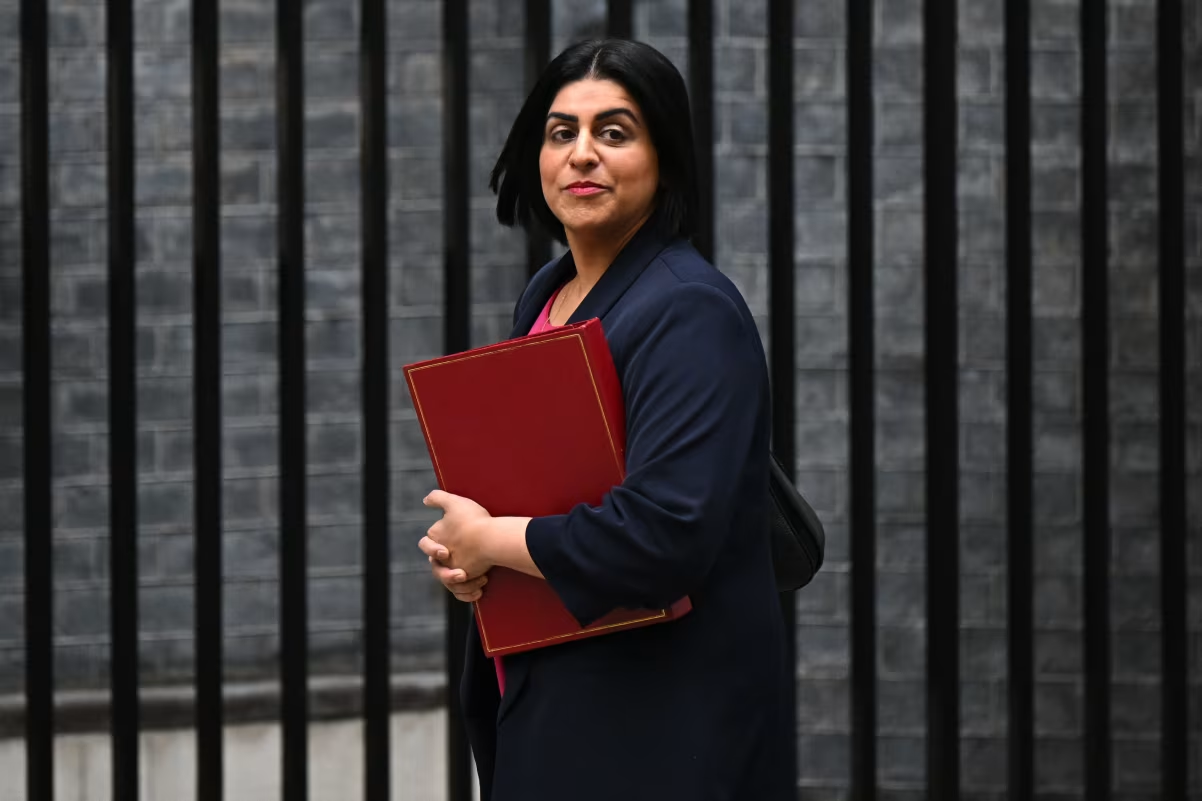
Home Secretary Shabana Mahmood has described the upcoming announcement as the most significant update to UK asylum rules in years. She emphasized that while Britain remains committed to helping people fleeing danger, the system must regain order, especially in the face of increasing illegal arrivals.
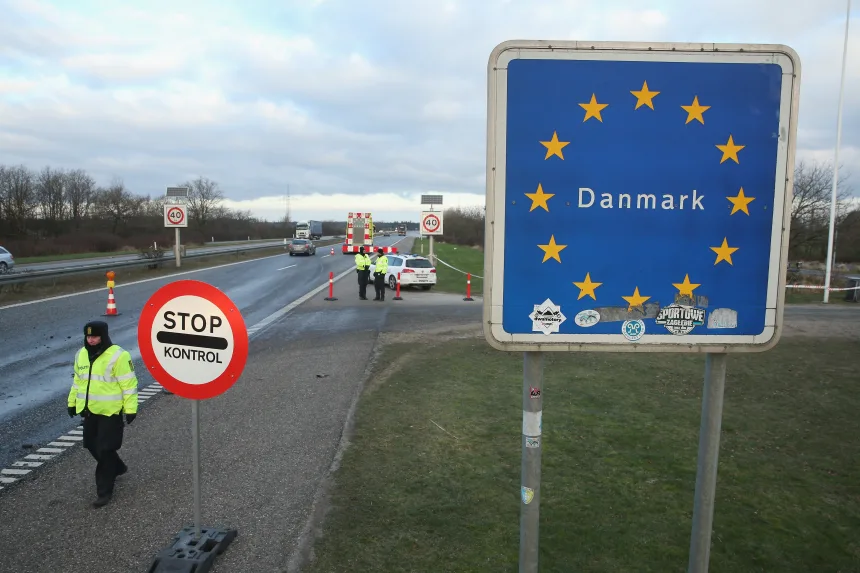
One of the most striking elements in the reform is the introduction of a 20-year pathway to permanent settlement for individuals who arrive illegally. This represents the longest settlement route in Europe, surpassing Denmark, which currently holds an eight-year standard. Under the new framework, even legally arriving migrants will face a decade-long wait before gaining permanent protections.
Additionally, refugee status will no longer be automatically permanent. Instead, status will be temporary, with reviews every 30 months. If the UK later determines that an applicant’s home country is safe, that person may be required to return rather than integrate permanently.
The plan also includes cuts to living allowances and broader measures designed to make the UK a less attractive destination for irregular migration. Mahmood argues that these adjustments are essential to protect public services and restore trust.
Mahmood warned that failing to address illegal migration risks creating a more divided nation. The political landscape highlights that divide clearly. On one side, Labour faces criticism from progressives who believe the policies harden the system at the cost of compassion. On the other, the government is under fire from conservatives who claim the UK is not doing enough to curb illegal migration.
As the daughter of Pakistani immigrants, Mahmood’s leadership on this issue adds another layer of political complexity. Some within Labour believe the new stance goes too far, while others say it is necessary to counter the growing influence of Reform UK and far-right movements across the country.
Britain’s new direction mirrors policies already in place across northern Europe. Denmark, known for its stringent immigration model, has seen asylum claims drop to a 40-year low. The UK Home Office has studied Denmark’s approach closely, sending officials to Copenhagen to assess its temporary residence system. The visit appears to have informed several of the UK’s proposed changes, particularly the temporary nature of refugee status and the expectation that migrants reapply regularly.
According to Mahmood, asylum claims have risen sharply in Britain even as they decline elsewhere in Europe. In the past four years, 400,000 people sought asylum in the UK. More than 100,000 are currently supported by taxpayers, a figure the government argues creates unsustainable pressure on public services and housing.
Britain’s decision to overhaul its UK asylum rules marks a significant turning point in the nation’s immigration strategy. By introducing Europe’s longest path to settlement and moving toward temporary refugee status, the government aims to deter illegal arrivals and restore public confidence. Whether these reforms will achieve their goals or deepen political divides remains to be seen, but they undeniably signal a profound shift in how the UK balances compassion, security, and national interest.