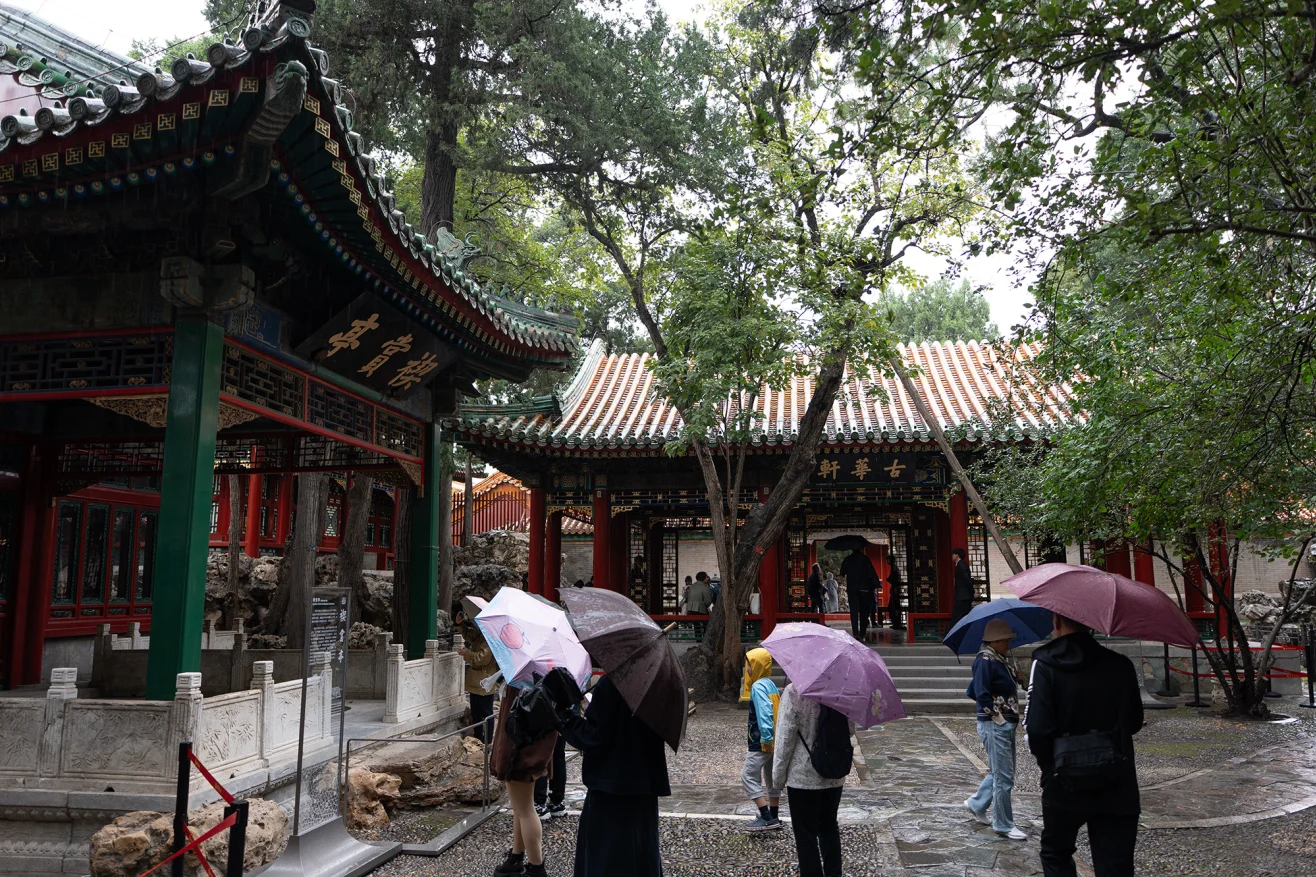
Inside Beijing’s famed Forbidden City lies a hidden treasure that until now was off-limits to the public. The secret garden in Beijing, known as Qianlong Garden, has officially opened to visitors for the first time in nearly a century, offering a rare glimpse into imperial life from the Qing dynasty.
This carefully restored estate blends art, architecture and nature, providing a new cultural experience in the heart of China’s capital.
The Qianlong Garden was commissioned in the 1770s as a private retreat for Emperor Qianlong Emperor and his close circle. Unlike the sweeping ceremonial courtyards elsewhere in the palace complex, this garden occupies just 6,000 square meters, about the size of a standard football field, but it packs in four interconnected courtyards, pavilions, rockeries and winding paths.
The design drew heavily on elite gardens in southern China, favoring intimate scenes and layered views over grand ceremonial spaces.
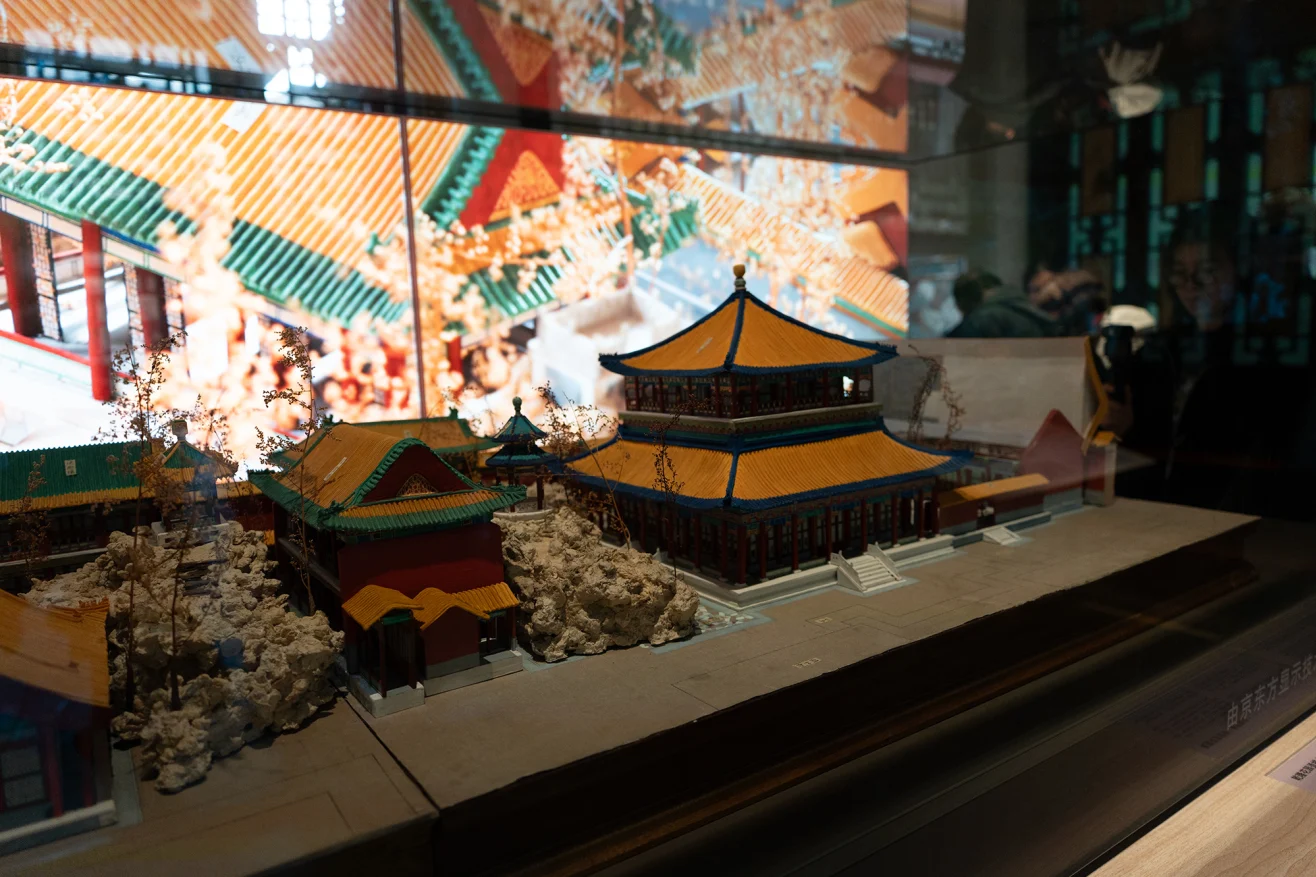
Over centuries, the area passed largely untouched, shielded by imperial decree from alteration. After the fall of the Qing dynasty, the rest of the Forbidden City saw significant change and damage, but Qianlong Garden remained a quiet enclave. As a result, conservationists say it became one of the most intact pieces of 18th-century imperial design.
The Long Road to Restoration
Although restoration plans date back decades, meaningful work began in the early 2000s when the World Monuments Fund partnered with the Palace Museum to revive the garden’s delicate features.
Over 25 years, artisans revived traditional techniques such as bamboo-thread marquetry, jade inlay and silk embroidery to match original finishes. The cost? Roughly US$15-18 million by some estimates.
Throughout the process, conservators aimed not just to restore good looks but to maintain authenticity. “We’re working to revive how the spaces were made and how they were used,” one specialist said. The result is a garden that offers layered vistas, from snug inner pavilions to open courtyards and elevated vantage points overlooking rock outcrops.
What Visitors Can Discover
Now accessible to the public, the secret garden lets visitors move through the environment exactly as an emperor might have.
Entering the southern courtyard, you’ll find tightly framed views that gradually open into a northern courtyard with larger open space, an architectural shift intended to mirror the transition from private contemplation to formal leisure. Elevated pavilions provide vantage points, while tucked-away alcoves offer quieter moments of reflection.
During China’s recent Golden Week, long queues of domestic tourists formed to visit the garden, which quickly became a social-media sensation.
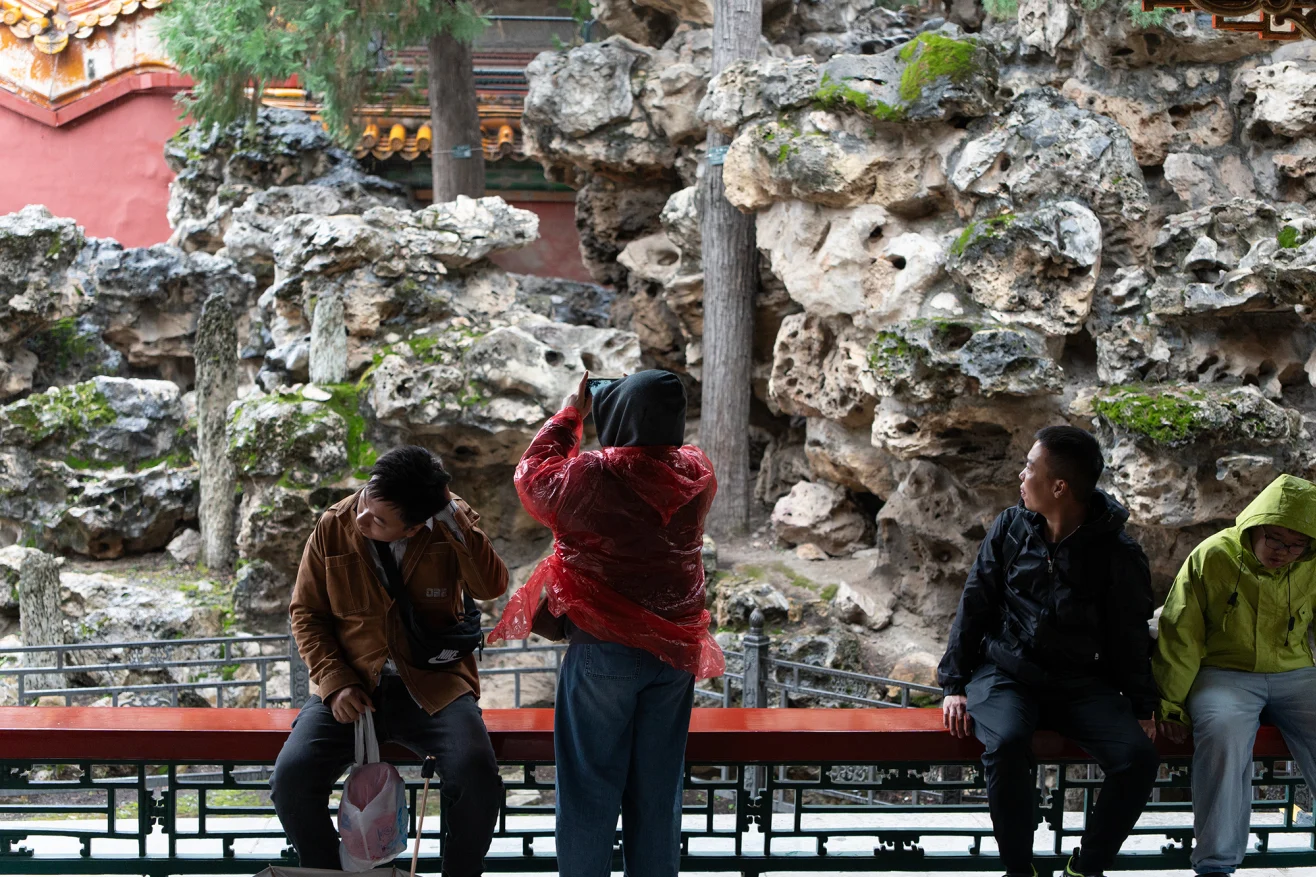
For many Beijing residents and visitors, it marks a fresh chapter for a place that previously symbolized imperial seclusion.
One Singaporean architect who visited in the 1980s recalled the space was then filled with storage and offices. Today, he described the reopening as “a wonderful effort.”
Why This Garden Matters
The opening of this secret garden in Beijing represents more than a new tourist attraction—it reflects a shift in cultural preservation and public access. Heritage experts say China is increasingly embracing the scientific conservation of Qing-era architecture rather than wholesale rebuilding. The Qianlong Garden restoration has even sparked a joint conservation master’s degree programme with Tsinghua University, serving as a teaching ground for future craft-based restoration efforts.
In broader context, the garden symbolizes evolving attitudes toward historic spaces: from exclusive withdrawal to inclusive sharing. For nearly three centuries a private retreat, it now forms part of the city’s shared cultural heritage. Beijing’s leader described the museum complex as “an important symbol of Chinese civilization” and called for continuing efforts to protect and open cultural relics to the public.
Planning Your Visit
The garden is located in the northeast section of the Forbidden City, which itself occupies a central location in Beijing. It’s best visited early, before crowds build, and during off-peak hours for the most tranquil experience. Visitors are encouraged to move slowly, soak in subtle design transitions and appreciate the artisanship rather than rushing through. A guided audio tour or knowledgeable guide will enrich the experience by pointing out hidden carvings, historic stonework and the spatial logic underpinning the courtyards.
After nearly a century behind closed gates, the secret garden in Beijing has been revealed to the world. Its restoration and public opening mark a milestone in heritage conservation and show how history, artistry and architecture can be woven together for a modern audience. For anyone traveling to Beijing, this once-hidden imperial oasis offers a rare chance to walk in the footsteps of emperors, explore quiet courtyards and reflect on the layered legacy of one of the world’s great cultural centers.