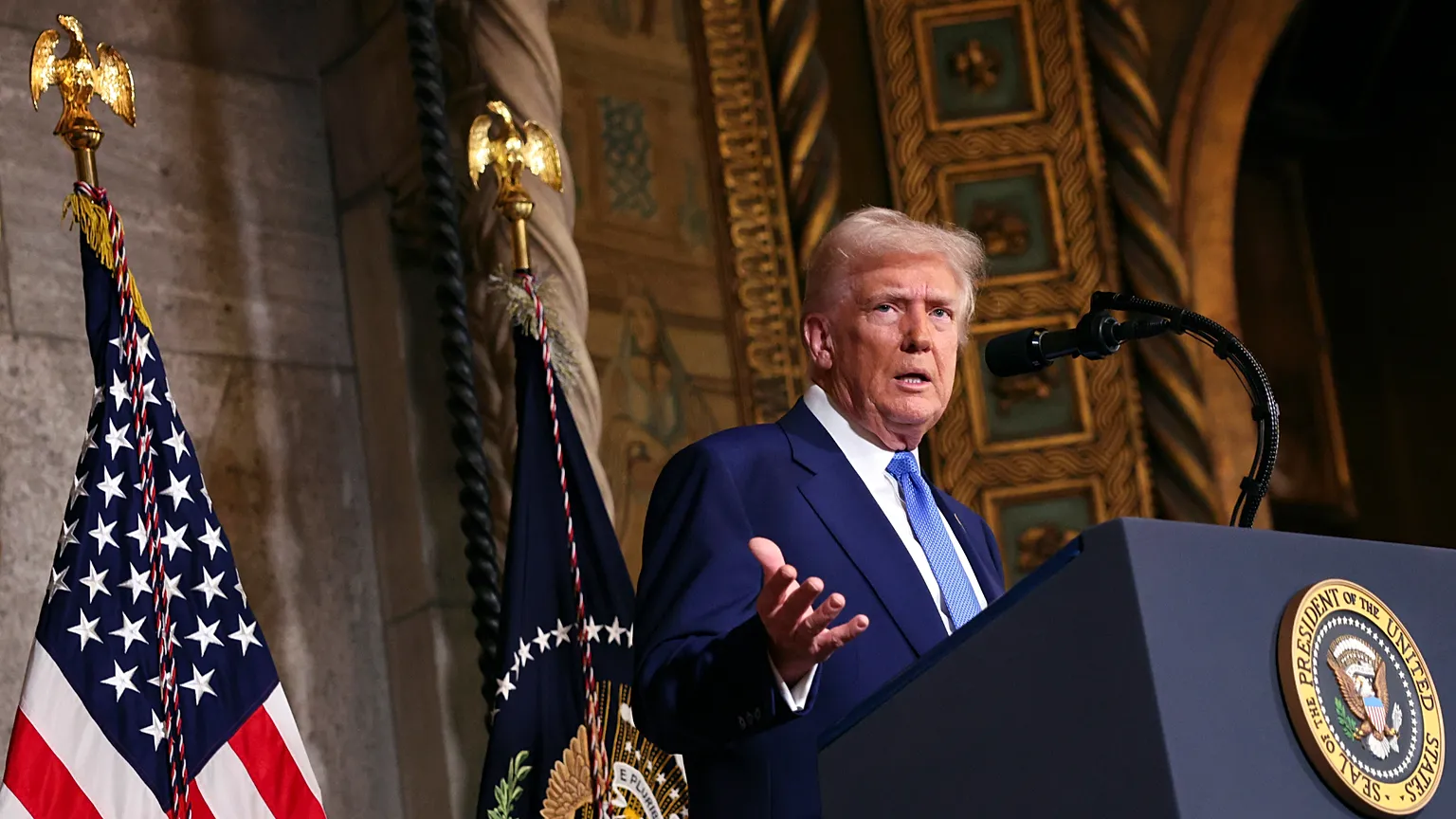
The anti Trump vote appears as strong as ever. Recent election results show Democrats gaining ground in several key races, signaling that opposition to former President Donald Trump’s policies and leadership style remains a powerful force in American politics.
The recent governor’s races in New Jersey and Virginia offered clear signs of growing anti Trump momentum. In New Jersey, Democrat Mikie Sherrill won comfortably in what had been a tight contest, while in Virginia, Abigail Spanberger defeated her Republican opponent by a notable margin. Analysts describe these outcomes as a direct rejection of Trump aligned politics rather than local partisan shifts.
These results mirror a broader national trend. Voters across urban and suburban regions continue to push back against Trump’s brand of politics, showing fatigue with the divisive rhetoric that has dominated the American landscape for years.
Recent polling also supports the idea that Trump’s influence is waning beyond his core supporters. Surveys indicate that nearly 60 percent of Americans disapprove of his performance, and over 60 percent believe he is overreaching his presidential powers. This dissatisfaction cuts across demographic groups, reflecting both ideological and emotional fatigue.
The polls highlight that while Trump retains strong backing within his base, his appeal among independents and moderates continues to erode. For Democrats, this discontent represents a chance to strengthen their footing ahead of the 2026 midterms if they can maintain voter enthusiasm.
Several factors are driving the strength of the anti Trump vote. Economic frustration remains front and center, as inflation and rising costs continue to burden American households. Many voters blame the trade and tariff policies enacted during Trump’s previous term for higher prices and job uncertainty.
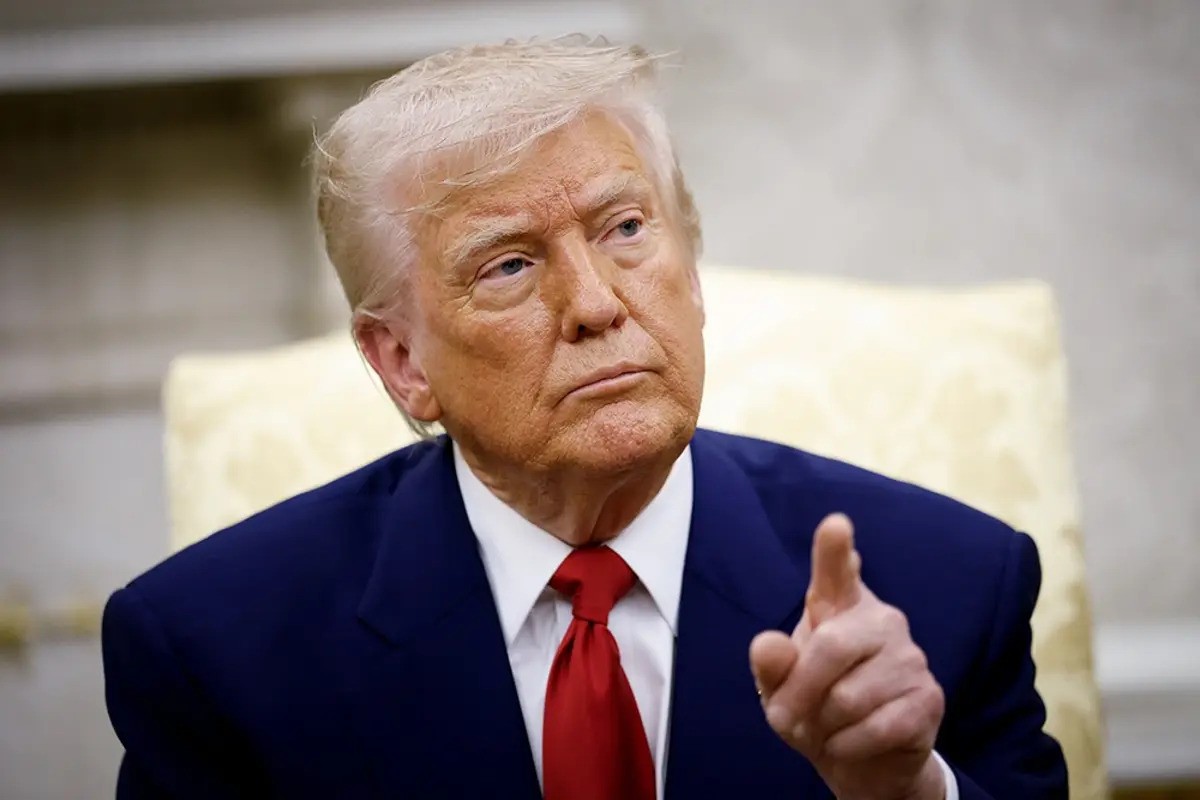

In addition, public exhaustion with Trump’s confrontational style has galvanized voter turnout. Many Americans view their vote as a means to push back against a return to chaos and political polarization. Social movements and grassroots organizations have also helped channel this sentiment, translating frustration into meaningful political engagement.
Despite the growing anti Trump sentiment, Democrats cannot afford to be complacent. Many voters who oppose Trump are not fully aligned with the Democratic Party. Some remain disillusioned with Washington as a whole, expressing skepticism about whether Democrats can deliver real economic or social change.
Meanwhile, Trump’s loyal base remains deeply committed. Republican support for him remains high, particularly in rural areas and conservative strongholds. This means the GOP still holds significant influence, even as national disapproval rises.
The persistence of the anti Trump vote sets the tone for the 2026 midterm elections. Democrats will need to convert disapproval into consistent voter turnout and maintain unity among their coalition. For Trump and the Republican Party, the challenge lies in balancing the loyalty of their base with the need to appeal to independents and moderates turned off by hardline rhetoric.
Ultimately, the anti Trump vote has become a defining feature of the modern political landscape. It shapes campaign strategies, messaging, and voter mobilization on both sides.
The anti Trump vote remains a powerful and energized force in American politics. Recent elections and polling confirm that resistance to Trump’s leadership style continues to shape outcomes and influence the national mood. While it may not automatically translate into sweeping Democratic victories, it is clear that the anti Trump electorate is determined to hold its ground and make its voice heard.