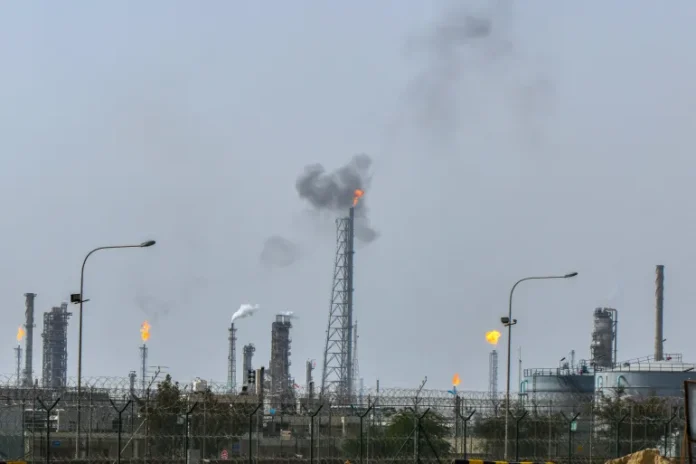
An air strike has hit a power and desalination plant in Kuwait. At the same time, at least 12 people were injured in the United Arab Emirates after intercepted missiles caused debris to fall, authorities said, as the widening conflict linked to the war on Iran entered its 35th day.
Kuwaiti authorities blamed Iran for the strike on Friday, which took place before midday. The specific facility was not identified, and the extent of the damage remains unclear.
Iran’s Islamic Revolutionary Guard Corps quickly denied responsibility, instead accusing Israel of carrying out the attack. In a statement posted on Telegram, the IRGC condemned what it described as an “unconventional and illegitimate attack on Kuwait’s water desalination centres,” calling it evidence of “the vileness and baseness of the Zionist occupiers.”
The group added that American bases and Israeli military and security sites in the occupied Palestinian territories would be considered “powerful targets” in response.
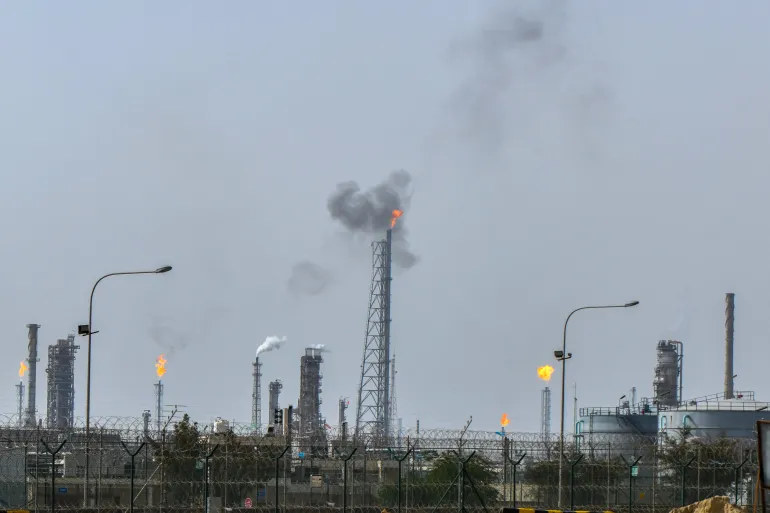
The strike came just hours after a separate drone attack targeted the Al-Ahmadi oil refinery, one of the largest refineries in the Middle East. According to the state news agency KUNA, the early morning attack caused fires in several operational units, though no injuries were reported. Emergency teams were dispatched, and environmental experts are monitoring air quality.
The refinery according to sources in Kuwait City, said it has now been hit three times since the conflict began, leaving the country on high alert. Kuwait’s proximity to Iran, with just 80 kilometres separating the two, makes it particularly vulnerable to such strikes.
Sirens were heard across the country as air defences intercepted incoming missiles and drones. KUNA reported “hostile missile and drone attacks” were under way, with midair explosions audible during interceptions.
Kuwait, like many Gulf nations, relies heavily on desalinated water. A previous strike on a similar facility on March 30 killed an Indian national, though Iran denied involvement in that incident as well.
Missiles, Drones and Expanding Targets Across the Gulf
Elsewhere in the region, the UAE said it was facing a new wave of suspected Iranian missile and drone attacks. In Abu Dhabi’s Ajban area, 12 people were injured when debris from intercepted projectiles fell to the ground. Authorities said seven of the injured were Nepalese nationals and five were Indian.
Falling debris also sparked a fire at the Habshan gas facility, a major energy installation. Operations there have been suspended as emergency crews respond.
The UAE’s defence ministry said its air defences intercepted 19 ballistic missiles and 26 drones on Thursday alone, part of what officials describe as a sustained campaign involving hundreds of missiles and thousands of drones launched toward the country since the war began.
UAE authorities reported that at least two service members have been killed and 191 people of various nationalities injured in the ongoing attacks.
Across the Gulf, tensions remain high. Saudi Arabia said it intercepted a drone in its airspace overnight, while Bahrain sounded missile alarms three times.
Meanwhile, Kuwaiti Crown Prince Sheikh Sabah Khaled discussed the deployment of a British ground-based air defence system with UK Prime Minister Keir Starmer, according to KUNA.
Cyber and Energy Infrastructure Also Targeted
The conflict is also expanding into attacks on energy and technology infrastructure. Iran’s state-run IRNA news agency reported that Tehran had targeted an Oracle data centre in Dubai in retaliation for US-Israeli strikes that injured former foreign minister Kamal Kharazi and killed his wife on April 1.
Authorities in Dubai dismissed the report as “fake news.” However, Amazon Web Services confirmed earlier this week that two of its data centres in the UAE had been directly struck, with a third facility in Bahrain damaged by a nearby drone strike.
The damage caused only limited and localised disruption to services, according to the Associated Press.
The warning comes as US President Donald Trump has signalled that attacks on Iranian infrastructure could intensify, raising fears that the conflict could further destabilise critical energy supplies and communications networks across the Gulf.