The Middle East conflict is entering a more volatile and unpredictable phase, with new actors joining the fighting, global powers hardening their positions, and vital economic arteries coming under increasing strain. Yemen’s Iran aligned Houthi movement has now confirmed it launched an attack on Israel, marking its first direct strike since the outbreak of the war between Israel, the United States, and Iran.
The move signals a widening of the conflict, just hours after Marco Rubio said Washington expected to conclude military operations within “weeks, not months.” His remarks, delivered after meetings with G7 foreign ministers in France, suggested confidence in a swift campaign. Yet events on the ground appear to be moving in the opposite direction.
Houthis enter the conflict as war spreads across fronts
As Israeli forces continued to strike targets across Tehran on Saturday, the Israeli military said it detected a missile launched from Yemen. The Houthis later confirmed the attack, saying it was in response to continued strikes on infrastructure in Iran, Lebanon, Iraq and the Palestinian territories. They warned that their operations would continue until what they described as aggression on all fronts comes to an end.
The group’s entry into the war raises the stakes significantly. The Houthis have demonstrated an ability to strike targets far beyond Yemen and have previously disrupted shipping lanes in the Red Sea and around the Arabian Peninsula. Their earlier campaign in support of Hamas following the 7 October attacks showed how quickly maritime routes could be affected, forcing global shipping companies to reroute vessels and driving up costs.
That risk is now resurfacing on a larger scale. With multiple fronts active, from Lebanon to the Gulf, the possibility of coordinated or overlapping attacks is increasing, making the conflict harder to contain.
Conflicting signals from Washington as tensions rise
While Rubio projected confidence about the timeline of US operations, reports soon emerged that underscored the fragility of that outlook. American media, including The New York Times and The Wall Street Journal, reported that an Iranian attack on the Prince Sultan airbase in Saudi Arabia had wounded at least 12 US personnel, two of them seriously.
According to those reports, the strike involved at least one missile and several drones. The soldiers were inside a building when it was hit, and several aerial refuelling planes were also damaged. The incident highlights how US forces in the region remain exposed even as Washington insists it can achieve its objectives without prolonged engagement.
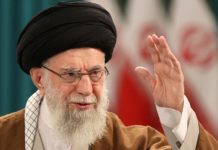
The broader campaign began with a surprise strike on 28 February that killed Ali Khamenei, a move that dramatically escalated tensions and set the stage for the current confrontation. Since then, US officials have offered mixed signals about how long the conflict might last and what its ultimate goals are.
Donald Trump has yet to authorize a full scale ground deployment, while also issuing increasingly forceful ultimatums. He has claimed that talks with Iran are progressing, though Tehran has rejected that assertion, insisting no negotiations are underway.
At the same time, Trump’s envoy Steve Witkoff said discussions could take place within days, reflecting a parallel diplomatic track that appears uncertain and fragmented. Trump later claimed that Iran had sent the United States 10 oil shipments as a form of compensation, a statement that has not been independently verified.
Strait of Hormuz becomes focal point of economic pressure
Beyond the battlefield, the economic dimension of the conflict is becoming increasingly significant. Iran’s grip on the Strait of Hormuz, through which roughly a fifth of the world’s oil supply typically passes, is placing intense pressure on global markets.
The Islamic Revolutionary Guard Corps said it had turned back three ships attempting to transit the strait, warning that all shipping linked to what it called Israeli American allies would be barred. The statement, published on the Sepah News website, directly challenged claims by Washington that the waterway remained open.
“This morning, following the lies of the corrupt US president claiming that the strait of Hormuz was open, three container ships of different nationalities were turned back after a warning from the IRGC navy,” the Guards said.
Rubio acknowledged that ensuring freedom of navigation in the strait would be an “immediate challenge” even if US military objectives were achieved. He warned that Iran might attempt to impose a toll on shipping, a move that could have far reaching economic consequences.
“Not only is this illegal, it’s unacceptable, and it’s important that the world have a plan,” he said.
Efforts are already underway to address that threat. Rubio noted that the United Kingdom is playing a prominent role in planning to secure the waterway, despite earlier criticism from Trump, who dismissed British aircraft carriers as “toys.”
The United States has deployed thousands of marines and airborne troops to the region, raising the possibility of a military operation aimed at reopening the strait by force. Potential targets could include strategic islands or Kharg Island, Iran’s main oil export hub.
Iran has responded with its own warnings. Vice president Esmael Saghab Esfahani said any ground invasion would trigger attacks on key regional energy infrastructure, including Saudi Arabia’s Red Sea port of Yanbu and the Fujairah oil complex in the United Arab Emirates.
“Step on to Iranian soil, and $150 becomes the floor for oil,” he wrote, underscoring the potential for a severe global energy shock.
Escalation continues across region with rising casualties
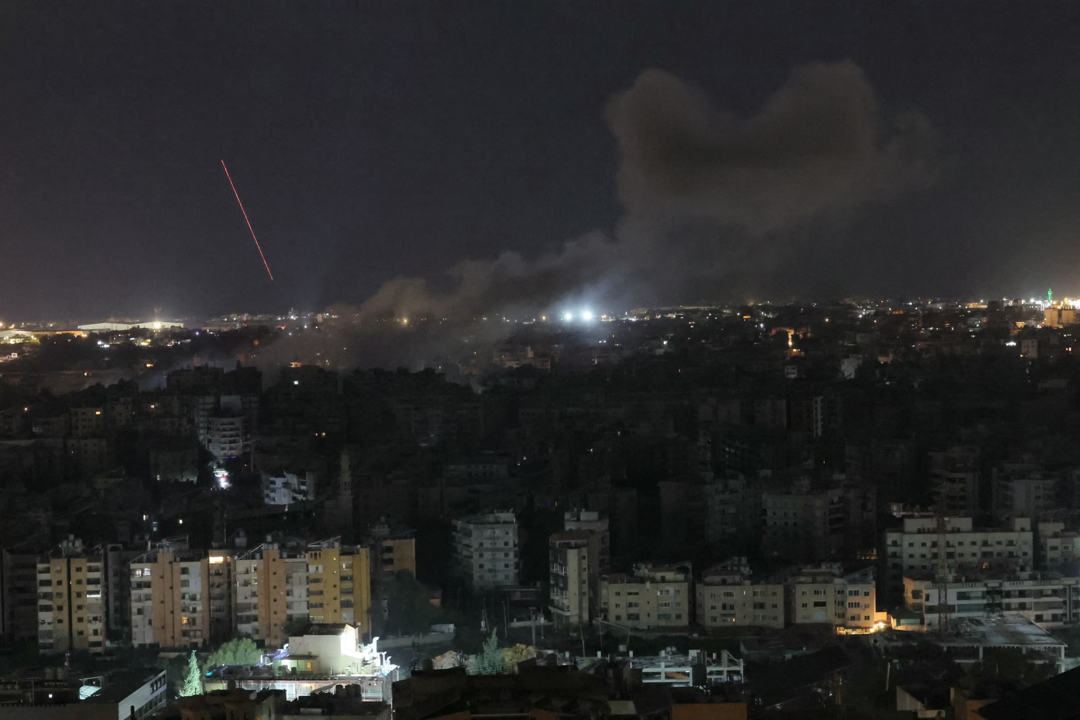
The military confrontation shows no sign of easing. In Beirut, a pre dawn Israeli strike killed two people, while Iranian missiles and drones continued to target Israel. Israeli defence minister Israel Katz warned that attacks would intensify.
“Despite the warnings, the firing continues,” he said. “And therefore attacks in Iran will escalate and expand.”
Recent Israeli strikes have focused on Iran’s nuclear infrastructure, including a heavy water facility and a yellowcake production plant. According to Iran’s Atomic Energy Organisation, the Shahid Khondab complex in Arak and a facility in Yazd province were hit, though officials said there were no casualties or contamination risks.
At the same time, US and Israeli forces have continued targeting Iran’s missile stockpiles and launch systems. Intelligence assessments cited by Reuters suggest that roughly a third of Iran’s missile and drone capabilities may have been destroyed. However, ongoing attacks involving between 10 and 20 projectiles per day indicate that Iran retains significant capacity.
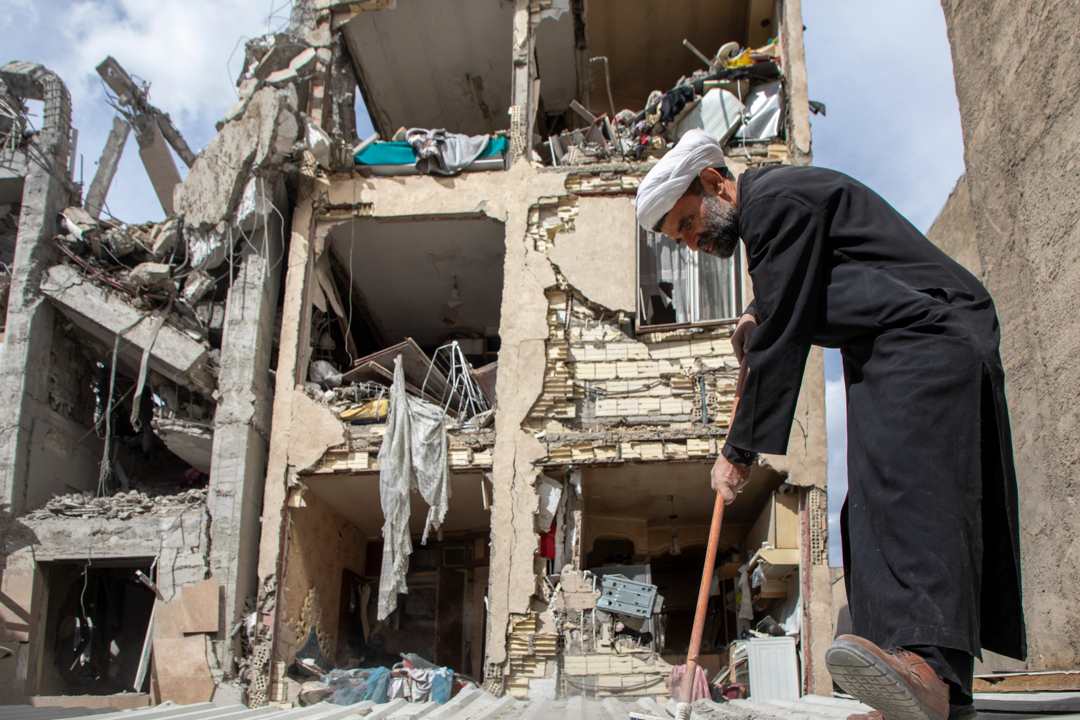
The conflict’s human toll is mounting rapidly. Nineteen people have been killed in Israel, along with four Israeli soldiers in Lebanon. Thirteen US military personnel have also died, alongside civilians in the Gulf region.
In Iran, more than 1,900 people have been killed and at least 20,000 injured, according to International Federation of Red Cross and Red Crescent Societies, though other estimates are lower. In Lebanon, Israeli operations in the south have displaced around a fifth of the population, with nearly 1,100 people reported killed.
Despite the scale of the violence, both Israel and the United States insist their objective is to neutralize Iran’s ability to threaten Israel through its missile programme, nuclear activities and regional allies such as Hezbollah. More ambitious goals, including regime change, have been played down in recent days.
Yet new data from Armed Conflict Location and Event Data Project indicates that Iran’s leadership retains significant domestic support, with more than 850 pro government demonstrations recorded since the war began.
 Diplomatic efforts continue in parallel, though with little clarity. Countries such as Pakistan and Turkey are attempting to mediate, while the United States has reportedly sent a 15 point proposal outlining demands that include dismantling Iran’s nuclear programme and limiting its missile development.
Iranian officials have reviewed the proposal but say it serves only US and Israeli interests, though they have not ruled out diplomacy entirely. Meanwhile, the G7 foreign ministers have called for the restoration of safe and toll free navigation through the Strait of Hormuz and an immediate halt to attacks on civilians.
For now, the gap between diplomatic ambition and battlefield reality remains wide. With new actors entering the conflict, critical trade routes under threat, and military operations continuing across multiple fronts, the trajectory points toward further escalation rather than resolution.