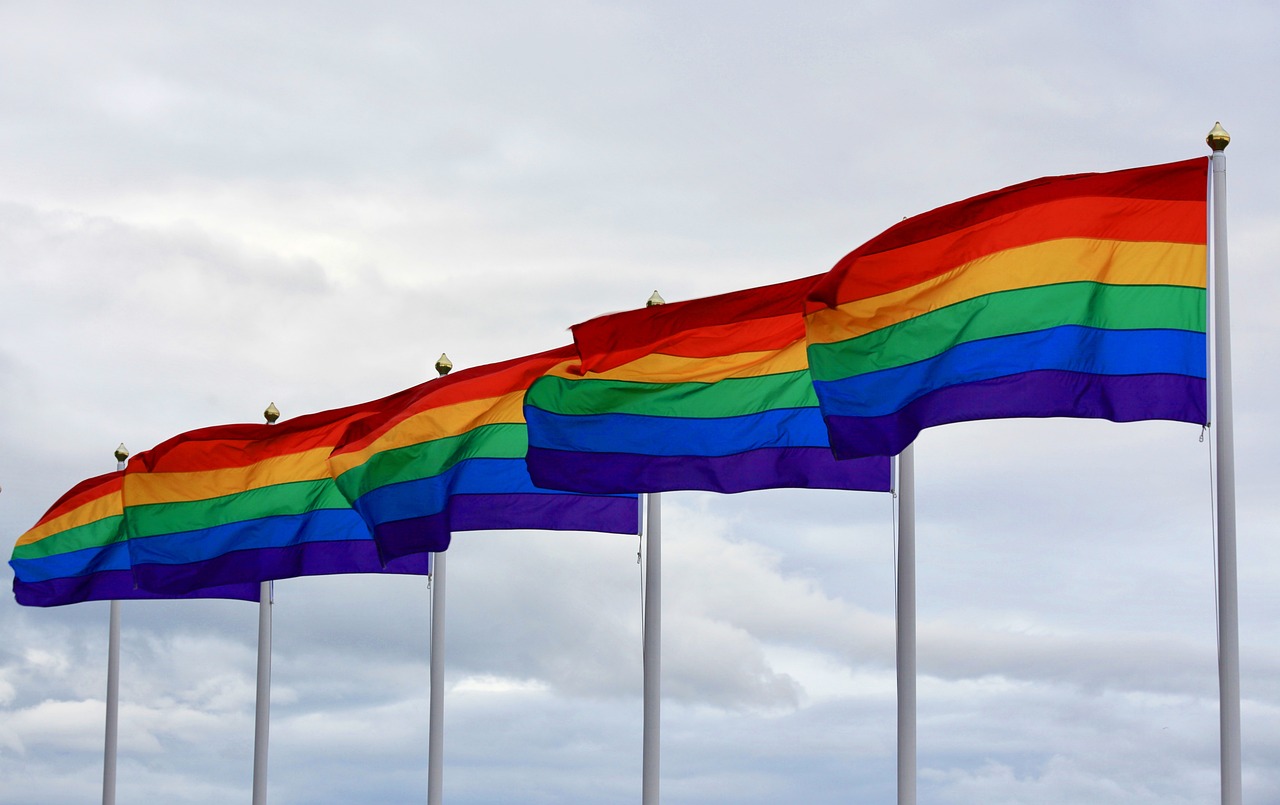
Ghana’s parliament has passed legislation that significantly intensifies a crackdown on the rights of LGBTQ people and those seen as promoting non-conventional sexual or gender identities, marking one of the most far-reaching moves of its kind in Africa.
In Ghana, same-sex sexual relations were already punishable by up to three years in prison. The newly approved bill expands those penalties, introducing prison sentences of up to five years for the “wilful promotion, sponsorship, or support of LGBTQ+ activities.” Critics say the language is broad enough to criminalise advocacy, education, and even expressions of solidarity.
The legislation, widely described as one of the harshest anti-LGBTQ measures on the continent, now awaits a final decision from Nana Akufo-Addo. Under Ghana’s constitution, the president has seven days after receiving the bill to either assent to it, allowing it to become law, or refuse to sign it.
Akufo-Addo has largely avoided direct engagement in the heated public debate but has indicated he will respond once the parliamentary process is complete.
The bill has drawn strong emotional reactions from Ghana’s LGBTQ community. Angel Maxine, widely recognised as the country’s first openly transgender musician and an LGBTQI+ activist, expressed deep distress following the vote. “My heart is broken and devastated at the moment, that’s all I can say for now,” she said, adding, “My pronouns are she, her, hers.” Her response reflects the fear and uncertainty felt by many who worry about the law’s potential impact on their safety and livelihoods.
The Factions Involved and the Health Implications
The legislation was backed by a coalition of Christian, Muslim, and traditional Ghanaian leaders, underscoring the strong role that religious and cultural institutions continue to play in shaping public policy in the country. Supporters argue that the bill protects societal values and reflects widely held beliefs among the population.
However, international organisations and public health experts have issued stark warnings. Winnie Byanyima, head of the United Nations agency on HIV and AIDS, cautioned that the law could have far-reaching consequences beyond its immediate legal scope.
She argued that punitive measures targeting LGBTQ individuals and their supporters risk undermining efforts to combat HIV and AIDS by driving vulnerable communities underground.
“It will exacerbate fear and hatred, could incite violence against fellow Ghanaian citizens, and will negatively impact on free speech, freedom of movement and freedom of association,” Byanyima said in a statement. She further warned that if enacted, the law could obstruct access to life-saving health services, weaken social protections, and ultimately jeopardise Ghana’s broader development progress.
Health experts have long argued that criminalisation of LGBTQ identities can hinder disease prevention and treatment programmes by discouraging individuals from seeking care or engaging with public health initiatives. In this context, the bill is seen not only as a legal measure but as one with potential long-term implications for national health outcomes.
The passage of the bill also raises questions about Ghana’s international standing. The country has often been regarded as a stable democracy in West Africa, with strong ties to global institutions and development partners.
Measures perceived as restricting fundamental rights could complicate those relationships, particularly at a time when international financing and cooperation remain critical to economic stability.
At the same time, the debate reflects broader tensions playing out across parts of Africa and beyond, where governments are increasingly asserting cultural sovereignty in the face of external pressure on human rights issues. For supporters of the legislation, the bill represents a reaffirmation of national values. For opponents, it signals a troubling rollback of personal freedoms and protections.
As the bill moves to the president’s desk, the decision ahead carries significant weight. Whether it is signed into law or rejected, the outcome will shape not only the legal landscape for LGBTQ individuals in Ghana but also the country’s global image and its trajectory in balancing tradition, rights, and modern governance.