On Wednesday, the UN General Assembly Hall resonated with applause as Member States unanimously adopted a landmark resolution declaring the transatlantic slave trade as one of the gravest crimes against humanity, despite resistance from Europe and the United States.
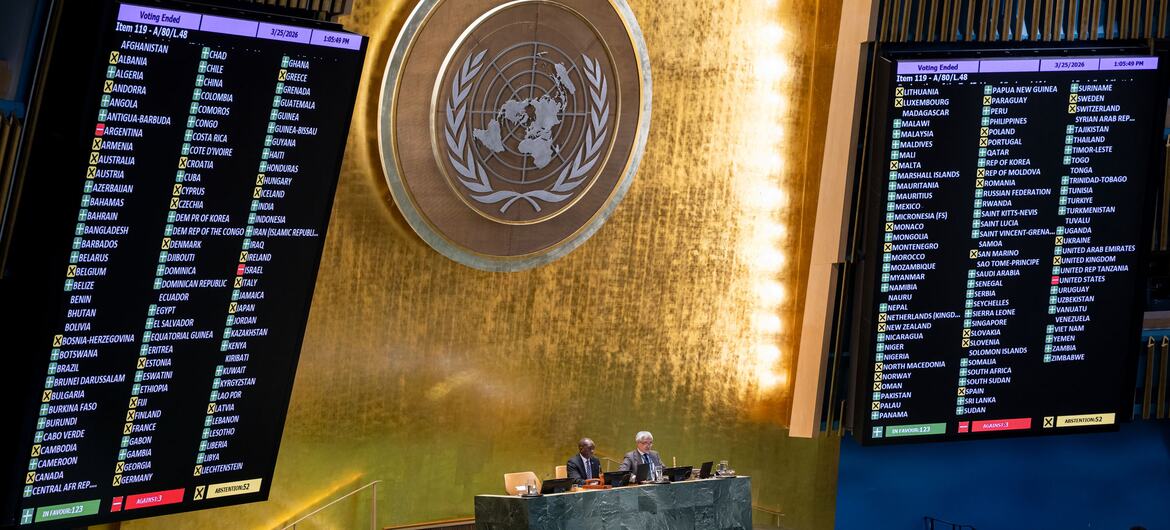
This significant resolution, championed by Ghana, garnered 123 votes in favor, while only three countries, Argentina, Israel, and the United States voted against it, and 52 nations chose to abstain.
Ghana’s Foreign Minister, Samuel Ablakwa, emphasised that the resolution called for accountability for historical injustices. Justin Hansford, a law professor at Howard University, said the adoption was historic, representing the farthest the U.N. has gone in recognising transatlantic slavery as a crime against humanity and calling for reparations.
“This marks the first vote on the floor of the U.N.,” he said. “I cannot over-emphasize how large of a step that is.”
A Call for Healing and Justice
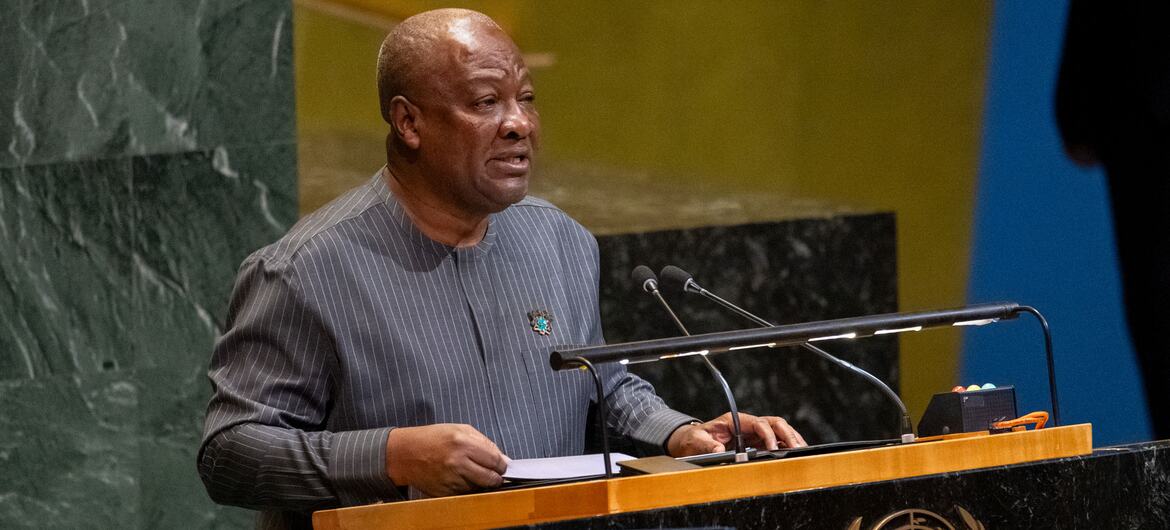
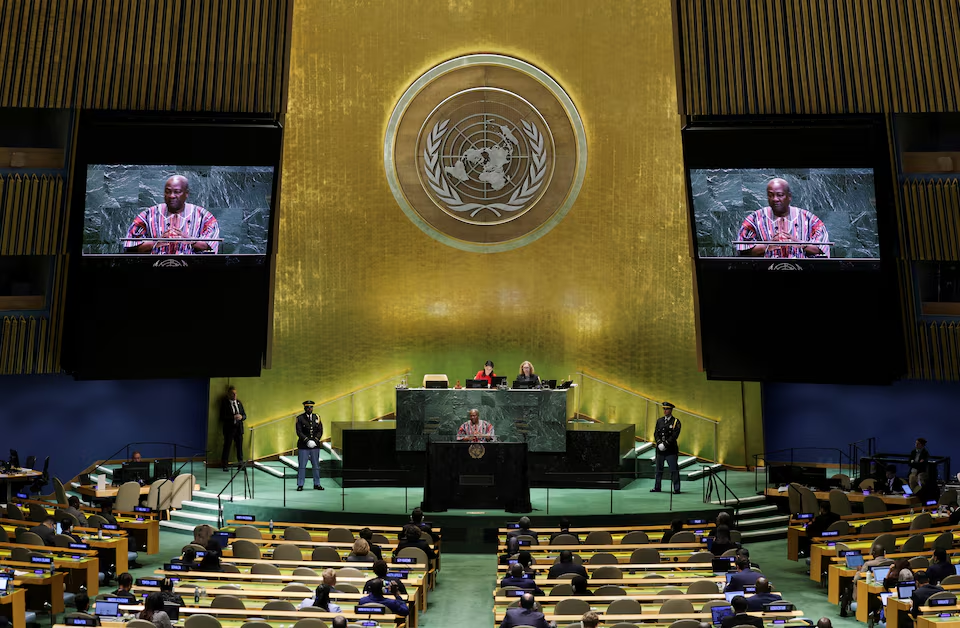
In a poignant address prior to the vote, Ghana’s President John Dramani Mahama, representing the 54-member African Group, the largest regional bloc at the UN stressed the importance of this moment. “Today, we come together in solemn solidarity to affirm truth and pursue a route to healing and reparative justice,” he stated.
Ghana justified the resolution by highlighting the enduring consequences of slavery, which forcibly removed at least 12.5 million Africans from the continent between the 15th and 19th centuries, leaving a legacy of racial and economic disparities that persist today.
Legacy of Slavery
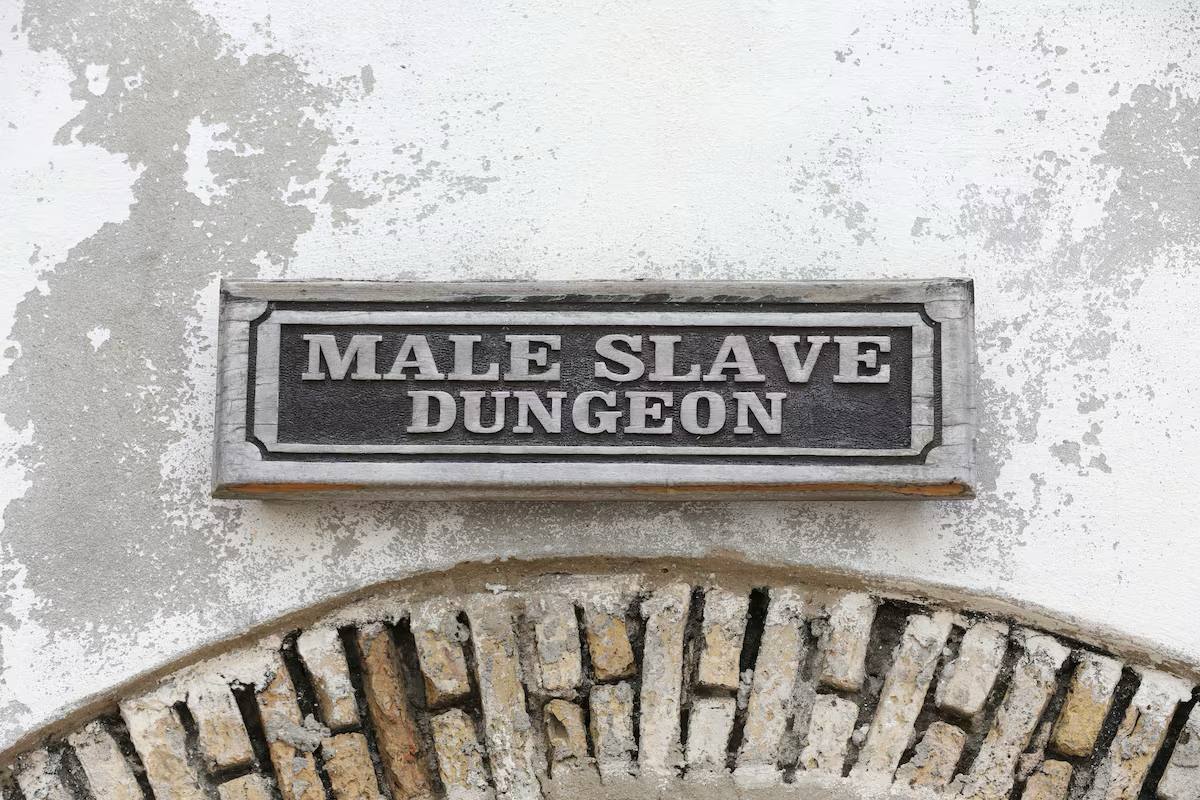
For over 400 years, millions of individuals were forcibly taken from Africa, shackled, and transported to the New World, where they were subjected to grueling labor in cotton fields and on sugar and coffee plantations.
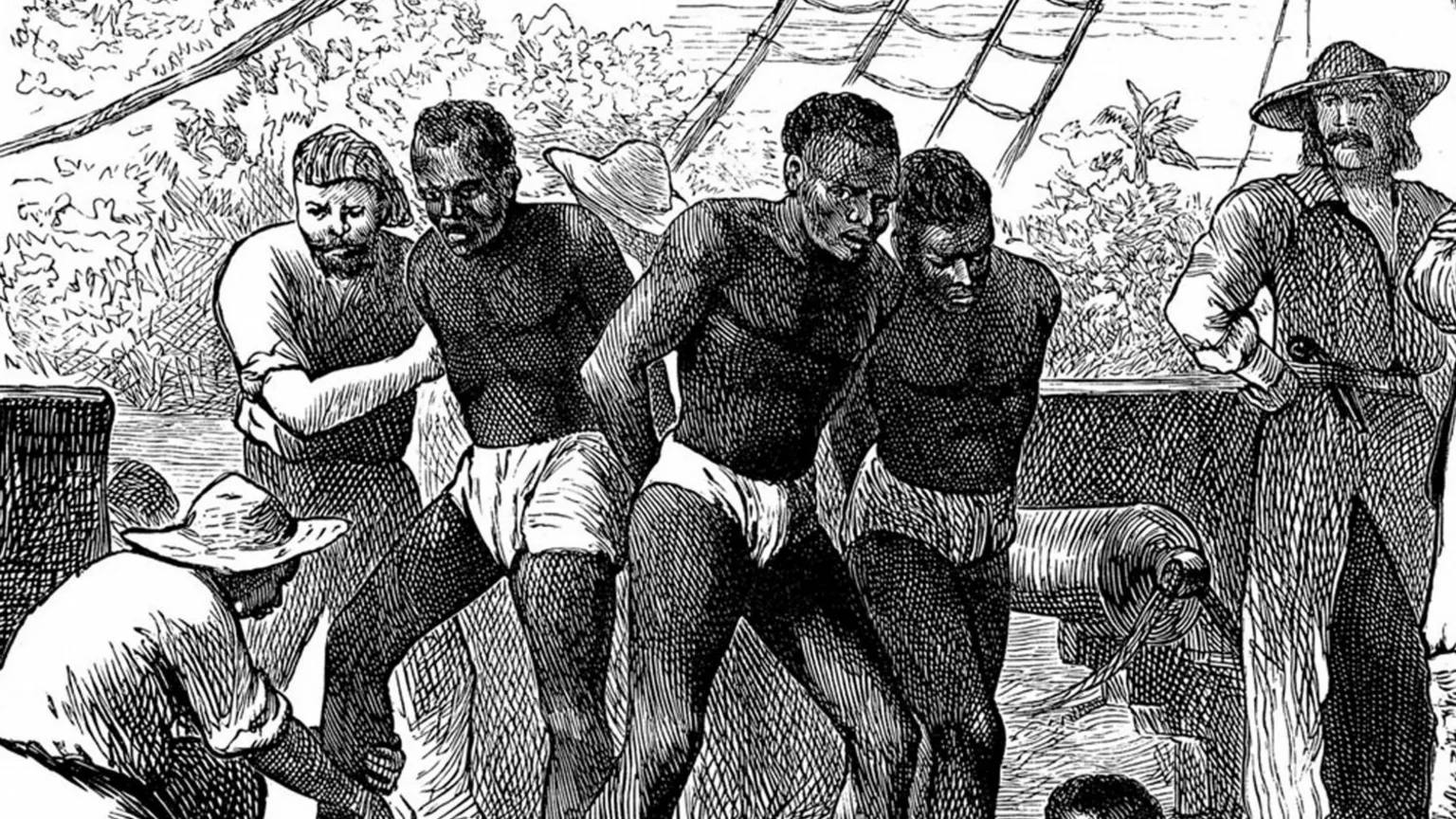
Stripped of their fundamental humanity and identities, these individuals endured generations of exploitation, leaving a legacy that continues to manifest in ongoing anti-Black racism and discrimination.
The resolution articulated that the “trafficking of enslaved Africans and racialized chattel enslavement of Africans” constitutes the most severe crime against humanity due to its historical significance, extensive scale, systemic brutality, and lasting consequences that continue to shape societal structures today.
Esther Philips, the First Poet Laureate of Barbados, poignantly remarked, “There are spirits of the victims of slavery present in this room at this moment, and they are listening for one word only: justice.”
Historical Wrongs
The resolution underscored the necessity of confronting historical injustices that have adversely affected Africans and the global diaspora. It called for actions that promote justice, human rights, dignity, and healing, emphasizing that claims for reparations constitute a vital step toward redress.
However, prior to the vote, US Ambassador Dan Negrea criticised what he described as the “cynical usage of historical wrongs as a leverage point … to reallocate modern resources to people and nations who are distantly related to the historical victims.” He reiterated Washington’s position that the UN’s primary purpose is to maintain international peace and security, rather than to promote specific interests or create new financial obligations.
The US also stated it does not recognize a legal right to reparations for historical injustices that were not deemed illegal under international law at the time they occurred.
Meanwhile, the EU representative, Gabriella Michaelidou, said the bloc would have supported a resolution highlighting the “scale of the atrocity” but raised “legal and factual” concerns, including applying international law retroactively.
Ghana has also faced criticism for advocating historical justice while simultaneously promoting stricter anti-LGBT laws domestically. African and Caribbean nations have long sought a special U.N. reparations tribunal, and Ablakwa said the resolution could pave the way for a “reparative framework.”
“History does not disappear when ignored, truth does not weaken when delayed, crime does not rot… and justice does not expire with time,” Ablakwa said, underlining the enduring significance of the measure.
Acknowledging Human Rights Violations
The solemnity of the General Assembly Hall was palpable as Member States commemorated the International Day of Remembrance for the victims of slavery. Assembly President Annalena Baerbock remarked, “The slave trade and slavery stand among the gravest violations of human rights in human history an affront to the very principles enshrined in the Charter of our United Nations and the Universal Declaration of Human Rights, which were partly born from these past injustices.”
She further noted that the countries from which enslaved Africans were taken experienced a “hollowing out,” having lost entire generations that could have contributed to their prosperity. “It was, to put it in colder terms, mass resource extraction,” she added.
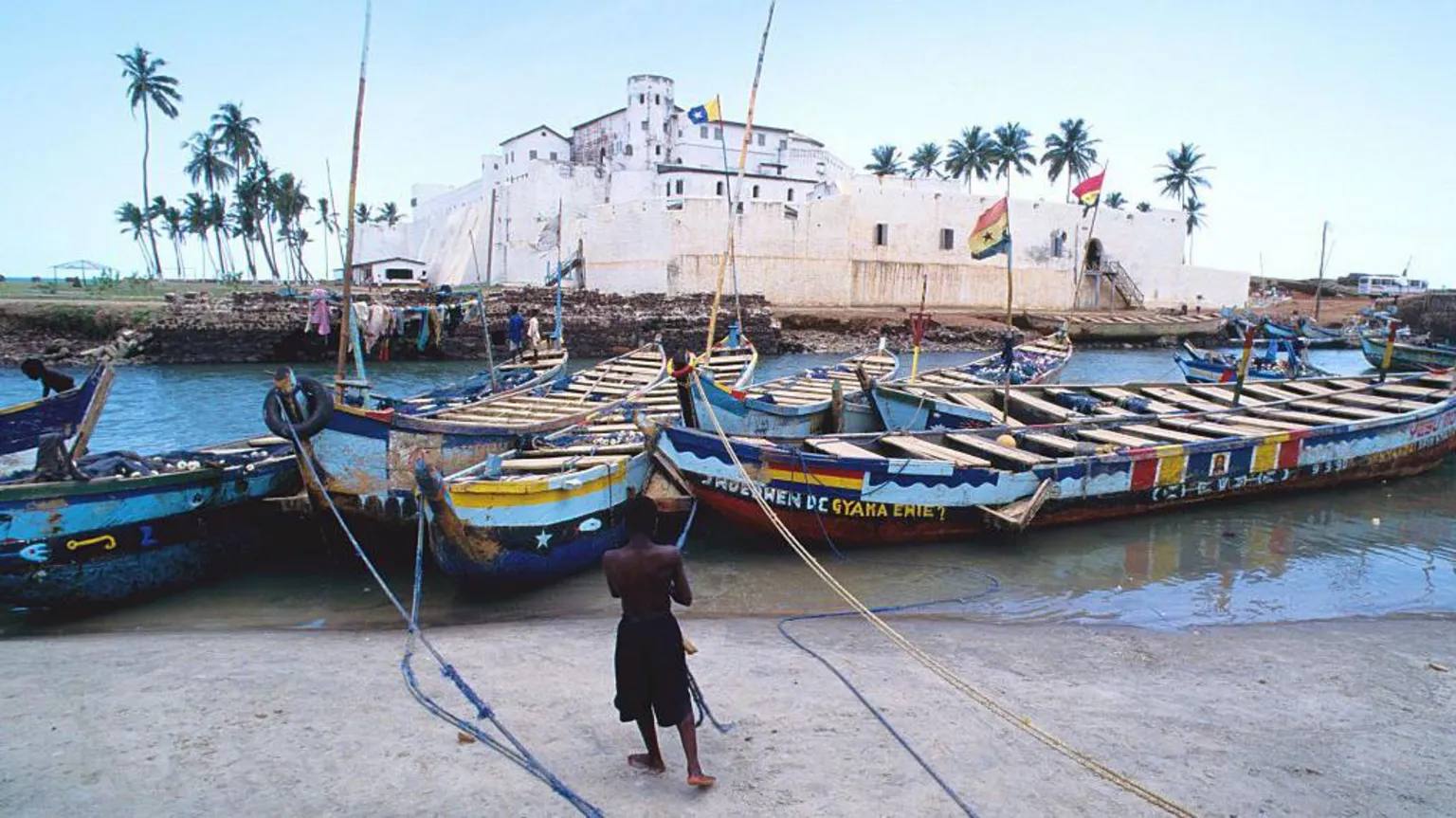
Confronting Inequality and Racism
UN Secretary-General António Guterres urged the international community to tackle the enduring legacies of inequality and racism stemming from slavery. “Now we must remove the persistent barriers that prevent so many people of African descent from exercising their rights and realizing their potential,” he emphasized.
He called for a collective commitment to human rights, equality, and the intrinsic value of every individual. In this context, initiatives such as the Second International Decade for People of African Descent and the African Union’s Decade of Reparations are seen as crucial steps forward.
Guterres implored nations to leverage these initiatives to eradicate systemic racism, ensure reparative justice, and promote inclusive development characterized by equal access to education, healthcare, employment, housing, and a safe environment.
“But far bolder actions by many more States are needed,” he cautioned.
“This includes commitments to respect African countries’ ownership of their own natural resources and to ensure their equal participation and influence within the global financial architecture and the UN Security Council.”
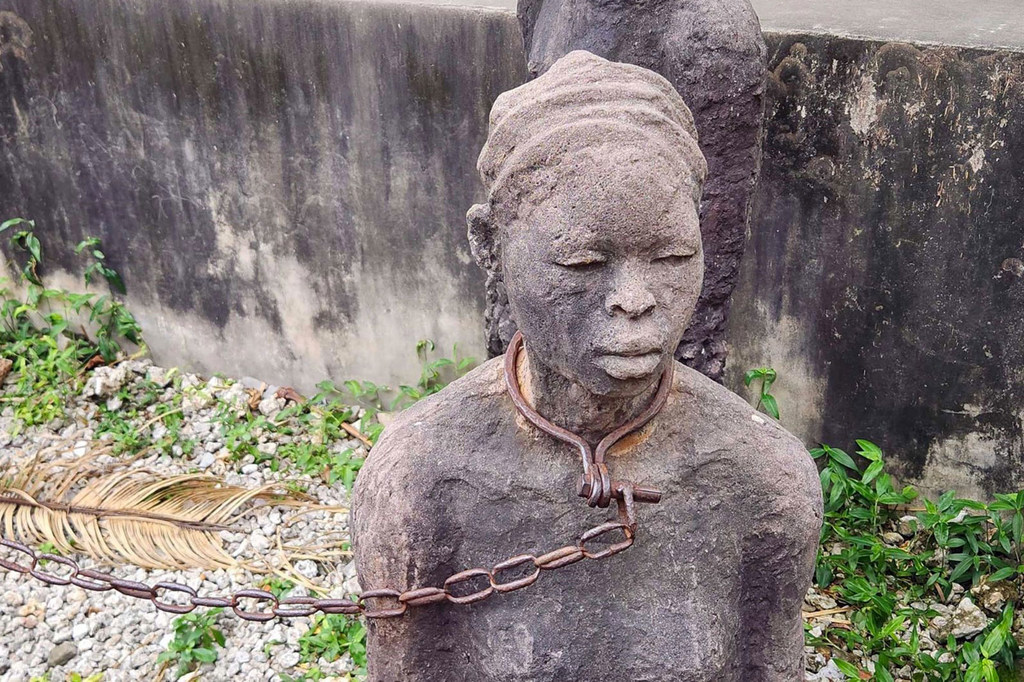
Reparatory Justice
Last year, the African Union outlined plans to create a “unified vision” among its 55 member states on what reparations might entail. The resolution urges member states to engage in dialogue on reparations, including formal apologies, the return of stolen artefacts, financial compensation, and guarantees of non-repetition.
While calls for reparations have gained momentum in recent years, opposition remains strong. Several Western leaders have resisted even discussing the matter, arguing that today’s states and institutions should not be held responsible for historical wrongs.
Both the EU and the U.S. expressed concerns that the resolution could imply a hierarchy of crimes against humanity, elevating some above others.
Historian Babatunde Mesewaku, speaking in Badagry, Nigeria—a former major port of the transatlantic slave trade called slavery “the gravest crime against humanity,” citing its duration of over 500 years, the tens of millions taken, countless deaths during the Middle Passage, and the resulting devastation across Africa and beyond.
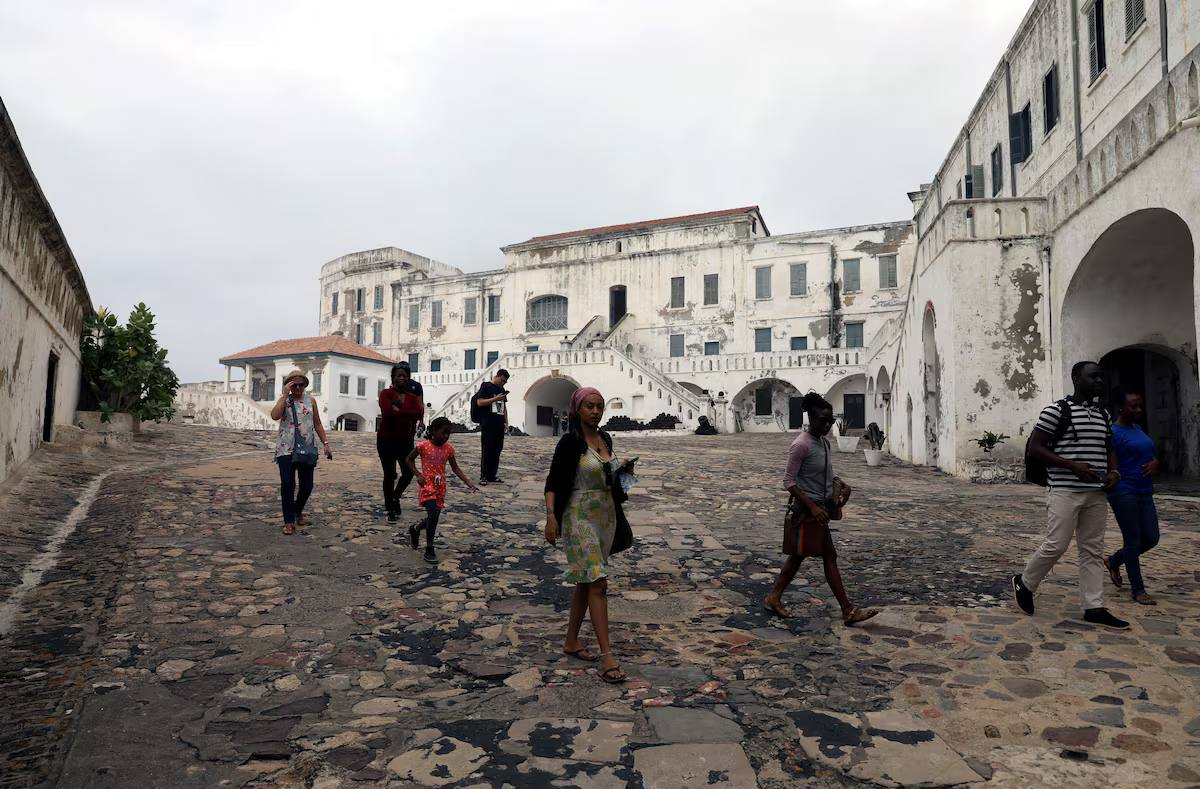
Esther Philips, the Poet Laureate of Barbados, captivated the audience by reading excerpts from her works, including a poignant piece about a young girl walking on the grounds of a former sugar plantation, unaware of its historical significance as ancestral spirits looked on. “There are spirits of the victims of slavery present in this room at this moment, and they are listening for one word only: justice,” Philips declared to the delegates.
“Because for them and for the world, there can be no peace without justice, reparatory justice and that call is answered only when words are turned into action. The question is, what will you do?”
This resolution marks a crucial moment in acknowledging the injustices of the past and serves as a reminder of the need for ongoing dialogue and action toward healing and reparative justice. The global community is called upon to reflect on these historical wrongs and to implement meaningful measures that promote equality and justice for all.