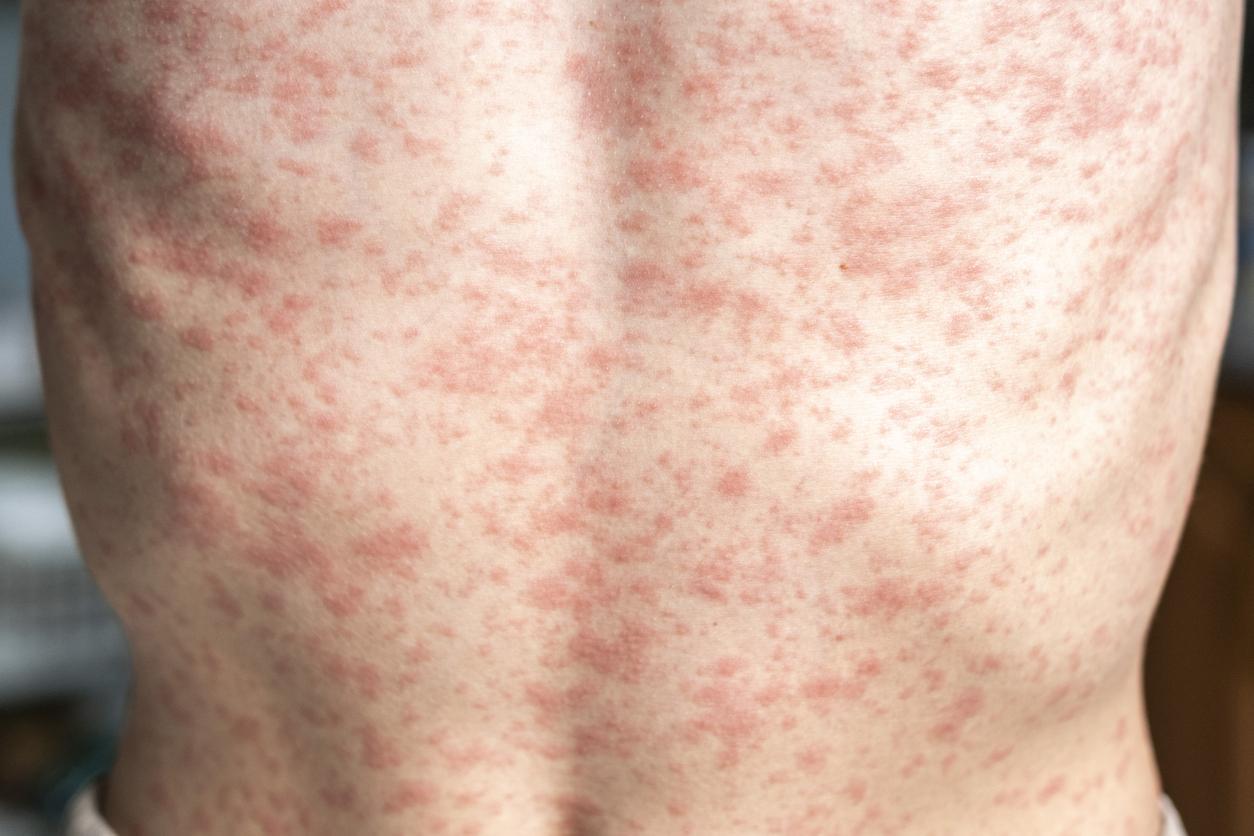
At least 88 new measles cases have been reported in South Carolina, as the outbreak continues to surge, with 646 infections recorded in the state since October, officials say.
The rapid rise has alarmed public health authorities, who warn that the situation could worsen if vaccination rates do not improve and containment efforts fail to slow transmission.
State health officials say over 500 people and students in 15 schools are in quarantine after being exposed to the virus. These measures, while disruptive, are considered essential in limiting the spread of one of the most contagious infectious diseases known. Schools, in particular, are high-risk environments due to close contact among students, making quarantine protocols a key tool in outbreak control.
The outbreak, the worst since Texas reported more than 700 measles cases in 2025 puts the United States at risk of losing its measles elimination status, a major public health milestone achieved in 2000 after decades of widespread vaccination efforts. Losing that status would signal sustained community transmission and mark a significant setback in disease control.
Measles is one of the world’s most contagious diseases, spreading through the air via coughs and sneezes, with up to 90% of unvaccinated people nearby becoming infected if exposed. The virus can linger in the air for hours after an infected person leaves a space, making it particularly difficult to contain once it begins spreading within a community.
South Carolina reported 88 new measles cases since last Friday, with the outbreak centered in the northwestern town of Spartanburg, home to about 39,000 people. Local health officials say the concentration of cases in Spartanburg County reflects both pockets of lower vaccination coverage and high levels of social interaction in community settings.
The outbreak has also spread to two universities in the state, Clemson University and Anderson University, where dozens of students are now in quarantine. University campuses, like schools, are particularly vulnerable due to dense living arrangements, shared facilities, and frequent social gatherings, all of which can accelerate the spread of infectious diseases.
There is no specific treatment for measles, and the virus can lead to a host of complications, including pneumonia and brain swelling. In severe cases, measles can result in long-term neurological damage or death, particularly among young children, pregnant women, and individuals with weakened immune systems.
The United States declared measles “eliminated” from the country in 2000, meaning there was no continuous transmission of the virus for more than a year. This achievement was the result of decades of coordinated vaccination campaigns and strong public health infrastructure.
However, elimination does not mean eradication. Cases can still be imported from other countries where measles remains endemic, and outbreaks can occur when the virus enters communities with low vaccination rates.
In recent years, with a rise in anti-vaccine sentiments, the country has seen several outbreaks of the virus. Public health experts point to misinformation, declining trust in institutions, and disruptions to routine healthcare during the COVID-19 pandemic as key factors contributing to falling vaccination rates.
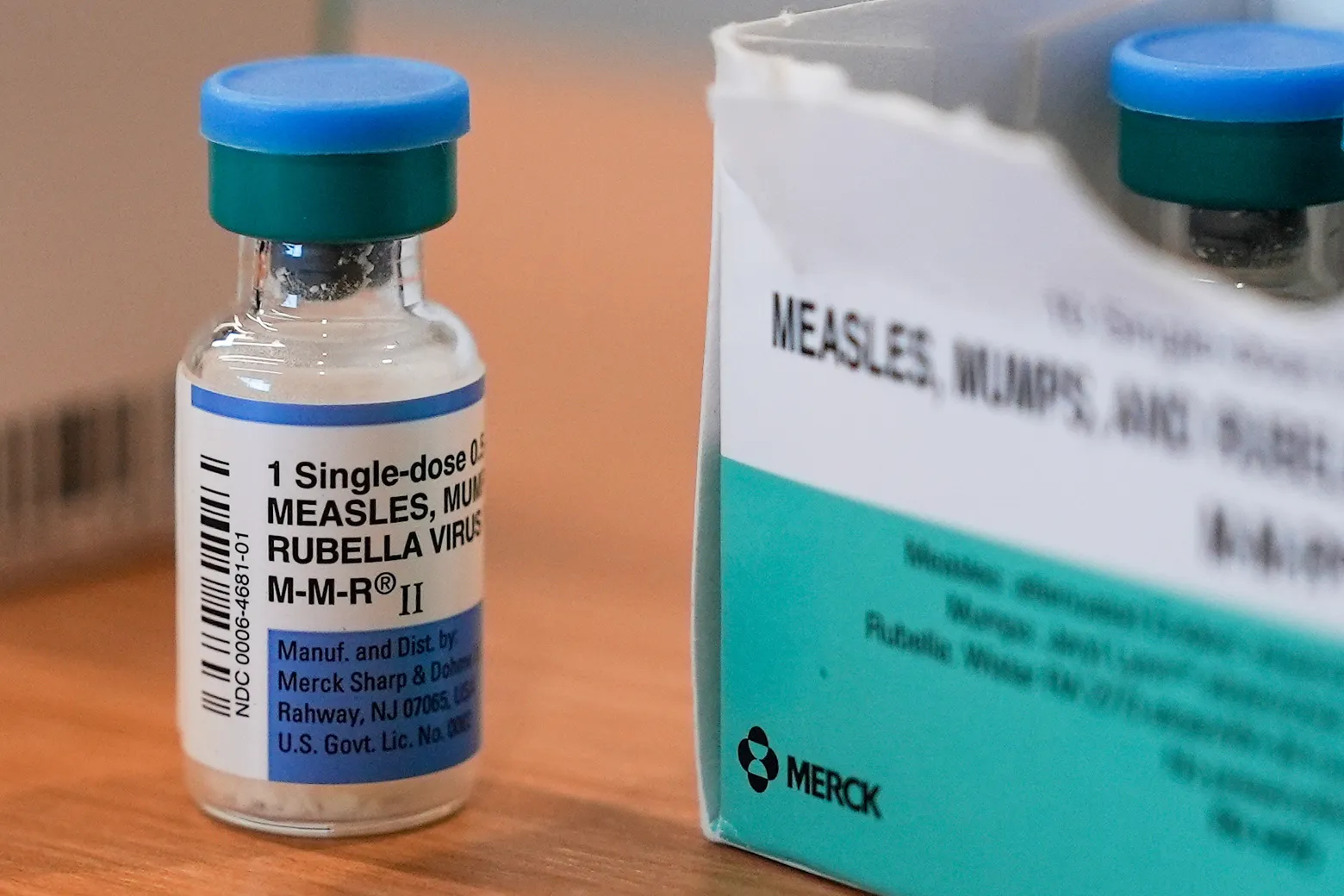
Two shots of the immunisation proven safe are about 97% effective at preventing the virus and significantly reduce the risk of severe infection. To achieve herd immunity when enough of a population is immune to limit the spread and protect those who cannot be vaccinated around 95% of people must receive the vaccine.
The measles vaccination rate for school-aged children is about 90% in Spartanburg County, the epicentre of the outbreak. While this may seem high, it falls short of the threshold needed for herd immunity, leaving gaps that allow the virus to spread rapidly once introduced. Even a small decline in vaccination coverage can have significant consequences for highly contagious diseases like measles.
The past 12 months have marked the worst measles outbreaks in the United States in decades, with over 2,000 infections reported nationwide. Three people died in Texas, and in recent months Utah and Arizona have also reported hundreds of measles cases. These outbreaks highlight a broader national trend and underscore the challenges facing public health officials in maintaining disease control.
The rise in measles cases coincides with messaging from Health Secretary Robert F Kennedy Jr that downplays both the severity of the disease and the importance of vaccination. Kennedy, a vaccine-sceptic, has at times endorsed the MMR vaccine while also raising unsubstantiated claims about its safety and promoting unproven alternative treatments.
Measles was once a common childhood illness in the United States, infecting millions of people each year before the introduction of vaccines in the 1960s. The widespread use of the measles, mumps, and rubella (MMR) vaccine dramatically reduced cases, hospitalizations, and deaths. By 2000, sustained vaccination efforts led to the official declaration that measles had been eliminated in the country.
However, global travel has continued to pose a risk. Travelers infected abroad can bring the virus back into the United States, where it can spread in under-vaccinated communities. This pattern has been observed in multiple outbreaks over the past decade, including large clusters linked to international travel and close-knit communities with low immunization rates.
Why Outbreaks Are Hard to Contain
Containing measles outbreaks presents unique challenges. Because the virus is so contagious, even brief exposure can result in infection. Infected individuals can spread the virus before symptoms appear, making it difficult to identify and isolate cases early.
Public health responses typically involve contact tracing, quarantine orders, and emergency vaccination campaigns. However, these efforts require significant resources and cooperation from the public. In areas where vaccine hesitancy is high, officials may encounter resistance that slows response efforts.
Educational institutions have been at the center of many recent outbreaks. Schools and universities bring together large numbers of people in close quarters, creating ideal conditions for transmission. In response, many states enforce vaccination requirements for students, though exemptions for medical, religious, or personal reasons can reduce overall coverage.
In the current outbreak, the involvement of Clemson University and Anderson University highlights how quickly measles can spread beyond initial clusters and into broader populations.
Broader Public Health Concerns
The resurgence of measles is seen by many experts as a warning sign for other vaccine-preventable diseases. Declining vaccination rates could lead to the return of illnesses that have been largely controlled for decades, including whooping cough and mumps.
Public health officials stress that maintaining high vaccination coverage is essential not only for preventing outbreaks but also for protecting vulnerable populations. Infants who are too young to be vaccinated, as well as individuals with certain medical conditions, rely on herd immunity for protection.
Public attitudes toward vaccines play a critical role in disease prevention. Statements from influential figures, including policymakers, can shape perceptions and influence decisions about vaccination.
The comments and positions of Robert F Kennedy Jr have drawn particular attention in this context. While he has expressed support for vaccination in some instances, his broader messaging has raised concerns among public health experts who fear it may contribute to confusion or hesitancy.
 Health officials in South Carolina and across the country are continuing efforts to contain the outbreak and prevent further spread. These include expanding access to vaccines, increasing public awareness, and strengthening surveillance systems to detect new cases quickly.
The current surge serves as a reminder that the progress achieved in eliminating measles can be reversed if vaccination rates decline. Experts emphasize that the tools to prevent measles are well established, but their effectiveness depends on widespread and consistent use.
As outbreaks continue to emerge in multiple states, the focus remains on restoring confidence in vaccines and ensuring that communities are protected. Without sustained efforts, health officials warn, measles could once again become a regular presence in the United States, reversing decades of public health gains.