

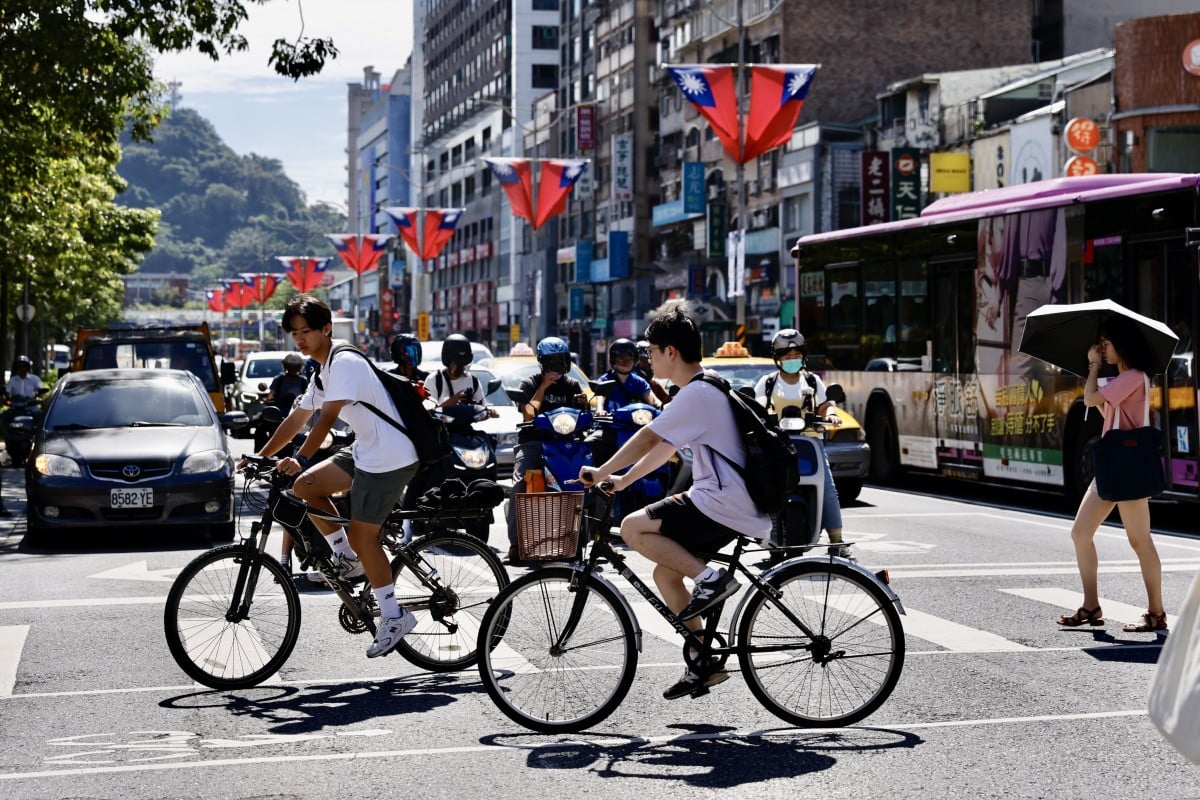
Taiwanese passport holders can now enjoy faster and more convenient entry into New Zealand, following the country’s decision to grant them access to its automated eGate immigration clearance system at major airports.
Taiwan’s Ministry of the Interior announced the development on Monday, October 13, citing confirmation from New Zealand authorities. With the move, New Zealand becomes the eighth country to allow Taiwanese travelers to use automated border control systems, joining the United States, South Korea, Australia, Italy, Germany, Singapore, and Malaysia.
The expansion of eGate access marks a significant step forward in travel facilitation between Taiwan and New Zealand, reflecting growing mutual trust, deepening people-to-people exchanges, and shared democratic values.
Faster Entry Through Automated Border Control
Under the new arrangement, eligible Taiwanese travelers arriving in New Zealand can bypass traditional immigration counters and instead clear entry using the country’s eGate system. The automated process relies on biometric verification, including facial recognition and electronic passport scanning, allowing travelers to complete immigration procedures within seconds.
In addition to eGate access, New Zealand has introduced a digital arrival requirement known as the New Zealand Traveller Declaration. Taiwanese travelers must complete the declaration online within 24 hours before departure. Once submitted, travelers may proceed directly to eGate upon arrival, eliminating the need for paper forms or manual processing.
New Zealand officials say the digital declaration system improves efficiency while enhancing border security and public health monitoring.
Reciprocal eGate Access Planned in Taiwan
Taiwan’s Ministry of the Interior emphasized that the policy is being implemented on the basis of reciprocity. In response to New Zealand’s move, Taiwan plans to extend eGate privileges to holders of New Zealand electronic (chip-enabled) passports when they enter Taiwan.
According to the ministry, the reciprocal arrangement is expected to take effect between late November and December, pending final technical preparations and system integration at Taiwan’s airports.
Once implemented, New Zealand travelers arriving in Taiwan will be able to use automated immigration lanes, significantly reducing wait times at entry points such as Taoyuan International Airport and other major gateways.
Strengthening Democratic Partnerships
In its statement, the Ministry of the Interior highlighted the broader significance of the agreement, noting that Taiwan and New Zealand share core values, including democracy, freedom, human rights, and the rule of law.
“These shared principles have laid a strong foundation for mutual trust and cooperation,” the ministry said, adding that the expansion of automated border access reflects the maturity of bilateral relations.
Although Taiwan and New Zealand do not maintain formal diplomatic ties, their relationship has steadily grown through trade, education, tourism, and cultural exchange. New Zealand has long been viewed in Taiwan as a friendly and like-minded partner in the Indo-Pacific region.
Travel between Taiwan and New Zealand has increased steadily in recent years, particularly following the easing of pandemic-era restrictions. According to government data, more than 60,000 visits are made between the two countries annually, including tourists, students, business travelers, and working holiday participants.
New Zealand remains a popular destination for Taiwanese travelers due to its natural landscapes, educational institutions, and working holiday programs. Conversely, Taiwan has emerged as an increasingly attractive destination for New Zealand visitors interested in Asian culture, cuisine, and business opportunities.
Officials on both sides believe the reciprocal eGate arrangement will further stimulate tourism and short-term travel by reducing administrative barriers and improving the overall travel experience.
Taiwan’s Ministry of the Interior said the New Zealand agreement is part of a broader effort to expand reciprocal eGate access with more countries. Automated border control systems are seen as a key tool in modernizing immigration processes, improving efficiency, and maintaining high security standards.
The ministry pledged to continue negotiating similar arrangements with other nations, particularly those with high travel volumes to and from Taiwan.
By expanding automatic clearance eligibility, Taiwan hopes to enhance its appeal as an international travel hub, boost inbound tourism, and strengthen ties with global partners.
While the policy change is largely administrative, officials say it carries symbolic weight. Granting eGate access reflects a high level of confidence in a partner country’s passport security, identity verification standards, and border management practices.
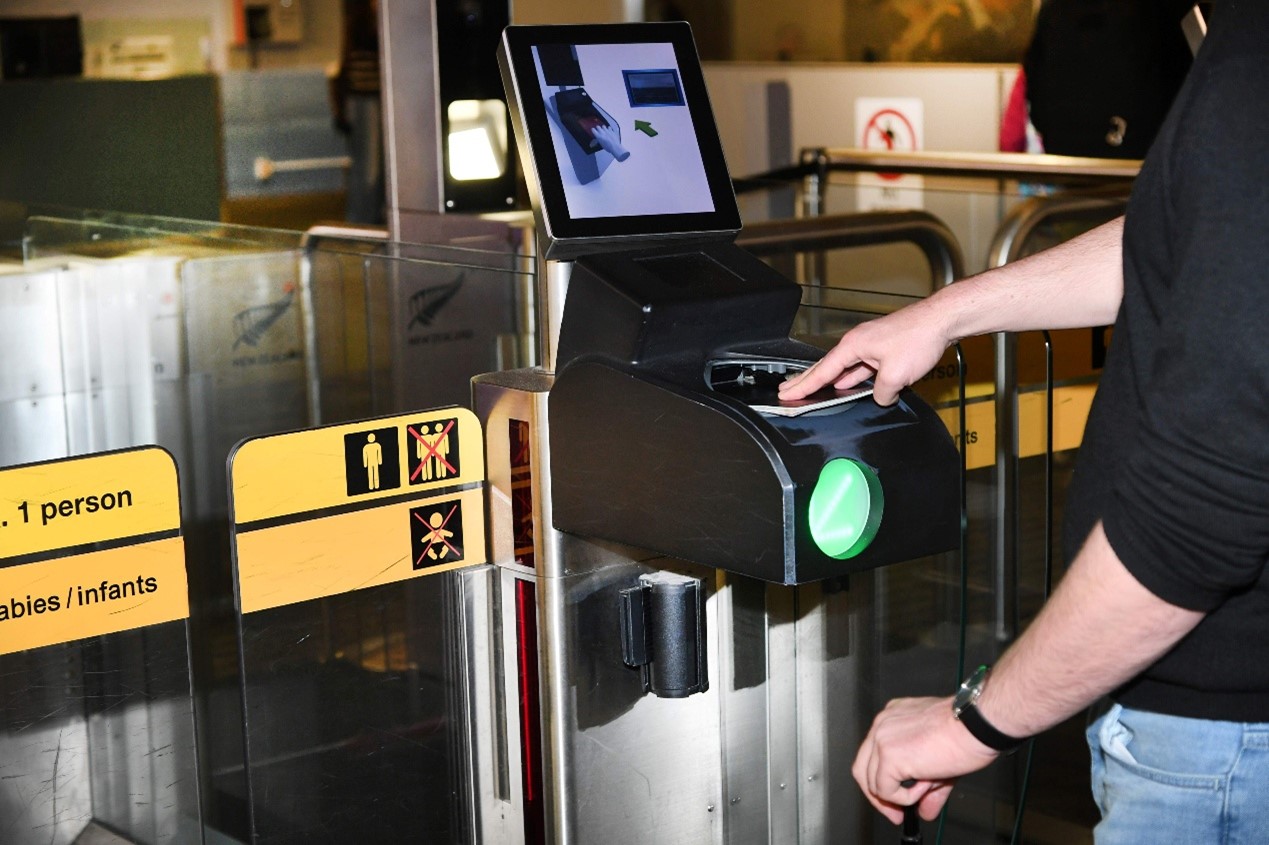 For Taiwanese travelers, the move represents growing international recognition and convenience. For New Zealand, it underscores its commitment to facilitating legitimate travel while maintaining secure borders.
As international travel continues to rebound, both governments say streamlined entry procedures like eGate will play an increasingly important role in supporting tourism, economic exchange, and people-to-people connections across the Asia-Pacific region.