
Every year on July 1, Canada pauses to celebrate itself. Streets are filled with red and white, fireworks light up the summer sky, and communities large and small gather to mark Canada Day.
To many, it is a joyful holiday defined by music, barbecues, parades, and national pride. Yet Canada Day is more than a celebration. It is a moment of reflection on the country’s origins, its evolving identity, its achievements and shortcomings, and its ongoing journey toward unity, justice, and inclusion.
Canada Day stands as both a commemoration and a conversation. It honors the political birth of a nation in 1867, while also inviting Canadians to examine what the country has become and what it still aspires to be. In a time of global uncertainty, cultural change, and social reckoning, Canada Day continues to evolve in meaning, reflecting the complexity of a nation shaped by history, diversity, and shared responsibility.
The Historical Roots of Canada Day
Canada Day traces its origins to July 1, 1867, when the British North America Act came into force. This legislation united three British colonies—Nova Scotia, New Brunswick, and the Province of Canada, which was later divided into Ontario and Quebec—into a single federation known as the Dominion of Canada. This moment marked the beginning of Canada as a self-governing entity within the British Empire.
While July 1 was immediately recognized as an important date, early celebrations were relatively modest. Dominion Day, as it was originally known, did not carry the same widespread public enthusiasm seen today. For many years, the holiday was observed quietly, often overshadowed by local traditions, religious observances, or regional priorities.
It was not until the 20th century that national celebrations began to take on greater prominence. As Canada’s population grew, its economy expanded, and its sense of national identity strengthened particularly following its participation in the First and Second World Wars public pride in the country increased. Canadians began to see themselves less as British subjects and more as citizens of a distinct nation.
In 1982, the holiday was officially renamed Canada Day, coinciding with the patriation of the Canadian Constitution. This moment symbolized Canada’s full legislative independence from the United Kingdom and marked a turning point in the country’s constitutional and political maturity. The new name reflected a modern Canada, confident in its sovereignty and national character.
The Evolution of Canadian Identity
Canada’s identity has never been static. From its earliest days, the country has been shaped by Indigenous civilizations, European colonization, immigration, and cultural exchange. Canada Day, therefore, is not just a celebration of political union, but of an evolving national story.
Indigenous peoples lived on this land for thousands of years before Confederation. First Nations, Inuit, and Métis communities developed complex societies, governance systems, languages, and spiritual traditions deeply connected to the land. Any reflection on Canada Day must acknowledge that the country was founded on territories already inhabited and governed by Indigenous peoples.
In recent years, Canada Day has increasingly become a time for reflection on the historical and ongoing impacts of colonialism. Conversations about residential schools, broken treaties, land rights, and reconciliation have reshaped how many Canadians approach the holiday. For some Indigenous communities, July 1 is not a day of celebration but a reminder of loss and injustice.
At the same time, Canada’s identity has been profoundly shaped by immigration. Waves of newcomers from Europe, Asia, Africa, the Caribbean, and the Middle East have contributed to Canada’s economic growth, cultural richness, and global outlook. Canada’s policy of multiculturalism, officially adopted in 1971, set it apart from many other nations by recognizing diversity as a strength rather than a challenge.
Canada Day celebrations today often reflect this multicultural reality. Cultural performances, international cuisines, and multilingual expressions of pride highlight the idea that Canadian identity is not singular but shared across many backgrounds.
Canada Day Celebrations Across the Country
Canada Day is celebrated from coast to coast to coast, from major cities to remote northern communities. While the spirit of the day is national, the celebrations themselves reflect regional character and local traditions.
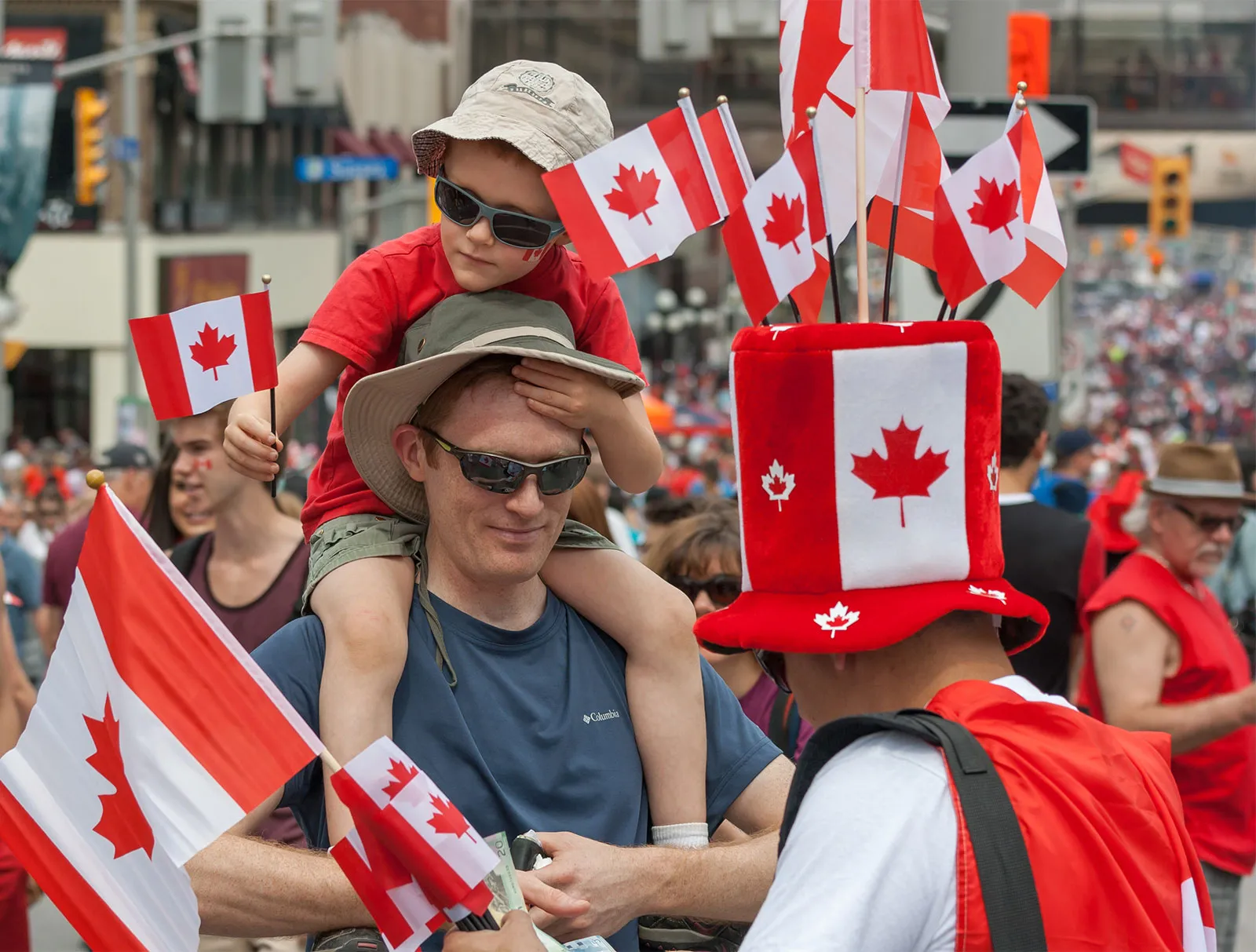 In Ottawa, the nation’s capital, Canada Day is marked with large-scale ceremonies and performances. Parliament Hill becomes the focal point of national attention, hosting concerts, military displays, and official speeches. The celebrations are often broadcast nationwide, reinforcing a sense of shared experience among Canadians.
In major cities such as Toronto, Vancouver, Montreal, and Calgary, Canada Day features festivals, parades, waterfront fireworks, and public gatherings. These urban celebrations often emphasize diversity, showcasing performers and artists from a wide range of cultural backgrounds.
 Smaller towns and rural communities celebrate in their own way. Local parades, community picnics, sports tournaments, and volunteer-organized events bring neighbors together. These grassroots celebrations embody one of Canada’s defining characteristics: a strong sense of community and civic engagement.
For many Canadians, Canada Day is also a time to enjoy the country’s natural beauty. Parks, lakes, and campgrounds become gathering places as families and friends spend time outdoors, reflecting the deep connection between Canadian identity and the land.
National Symbols and Shared Traditions
Symbols play an important role in Canada Day, helping to express national pride and collective memory. The Canadian flag, with its bold red maple leaf, is the most prominent symbol of the holiday. Adopted in 1965, the flag represents unity, peace, and the natural environment.
Other symbols commonly associated with Canada Day include the national anthem, “O Canada,” which is sung at public events and private gatherings alike. The anthem’s lyrics emphasize love for country and shared values, reinforcing a sense of belonging.
Fireworks have become one of the most recognizable Canada Day traditions. Across the country, evening celebrations culminate in fireworks displays that bring communities together. While festive, these displays also symbolize celebration, renewal, and shared joy.
Food and Culinary Traditions on Canada Day
Food plays a meaningful role in Canada Day celebrations, serving as both a source of comfort and a reflection of the country’s diverse cultural identity. Across the nation, July 1 is often marked by shared meals that bring families, friends, and communities together. Whether enjoyed at backyard barbecues, public picnics, community festivals, or lakeside gatherings, food on Canada Day represents togetherness, tradition, and the blending of cultures that define modern Canada.
One of the most common Canada Day food traditions is the outdoor barbecue. As the holiday falls at the height of summer, Canadians take advantage of warm weather to cook and dine outdoors. Grilled burgers, hot dogs, sausages, and corn on the cob are staples at many celebrations. These simple, familiar foods are easy to prepare for large groups and have become closely associated with the relaxed, communal spirit of the day. In coastal regions, especially in British Columbia and Atlantic Canada, grilled or smoked salmon often takes center stage, reflecting the importance of fishing and maritime culture in those areas.

Regional specialties also feature prominently on Canada Day tables. In Quebec, dishes such as poutine, tourtière, and maple-based desserts are popular, highlighting the province’s distinct culinary heritage.

In the Prairie provinces, beef is often the star, with steaks and ribs commonly served at family gatherings and public events.
Atlantic Canada celebrates its rich seafood traditions with lobster rolls, scallops, mussels, and clam chowder, while the North emphasizes locally sourced foods connected to the land and seasonal availability.

Indigenous food traditions are increasingly being recognized as an important part of Canada’s culinary story.
Bannock, wild rice, berries, game meats, and fish prepared using traditional methods are featured at some Canada Day events, especially those that aim to educate and promote reconciliation.

These foods remind Canadians that the country’s culinary history began long before Confederation and continues to influence contemporary food culture.
Canada Day food also reflects the nation’s multicultural makeup. In many communities, celebrations include dishes from around the world—jerk chicken, samosas, dumplings, kebabs, spring rolls, and curries often served side by side with traditional Canadian fare. This blending of cuisines highlights how immigration has shaped Canadian identity and how food acts as a bridge between cultures.
Desserts and treats hold a special place as well. Maple syrup-based sweets, butter tarts, Nanaimo bars, strawberry shortcake, and red-and-white themed cakes are common Canada Day indulgences. These desserts often serve as a sweet symbol of national pride, particularly those featuring the maple leaf or the national colors.
Ultimately, food on Canada Day is about more than what is on the plate. It is about sharing, welcoming, and celebrating together. Through food, Canadians express their histories, values, and connections to one another, making it an essential and enduring part of Canada Day traditions.
Canada Day in a Changing Social Landscape
In recent years, Canada Day has taken on new layers of meaning as Canadians engage in deeper discussions about history, equity, and national responsibility. The discovery of unmarked graves at former residential school sites and the broader truth and reconciliation process have prompted many Canadians to reconsider how they celebrate July 1.
For some, Canada Day has become a day of reflection rather than celebration. Public events increasingly include moments of silence, acknowledgments of Indigenous lands, and educational components aimed at fostering understanding and dialogue.
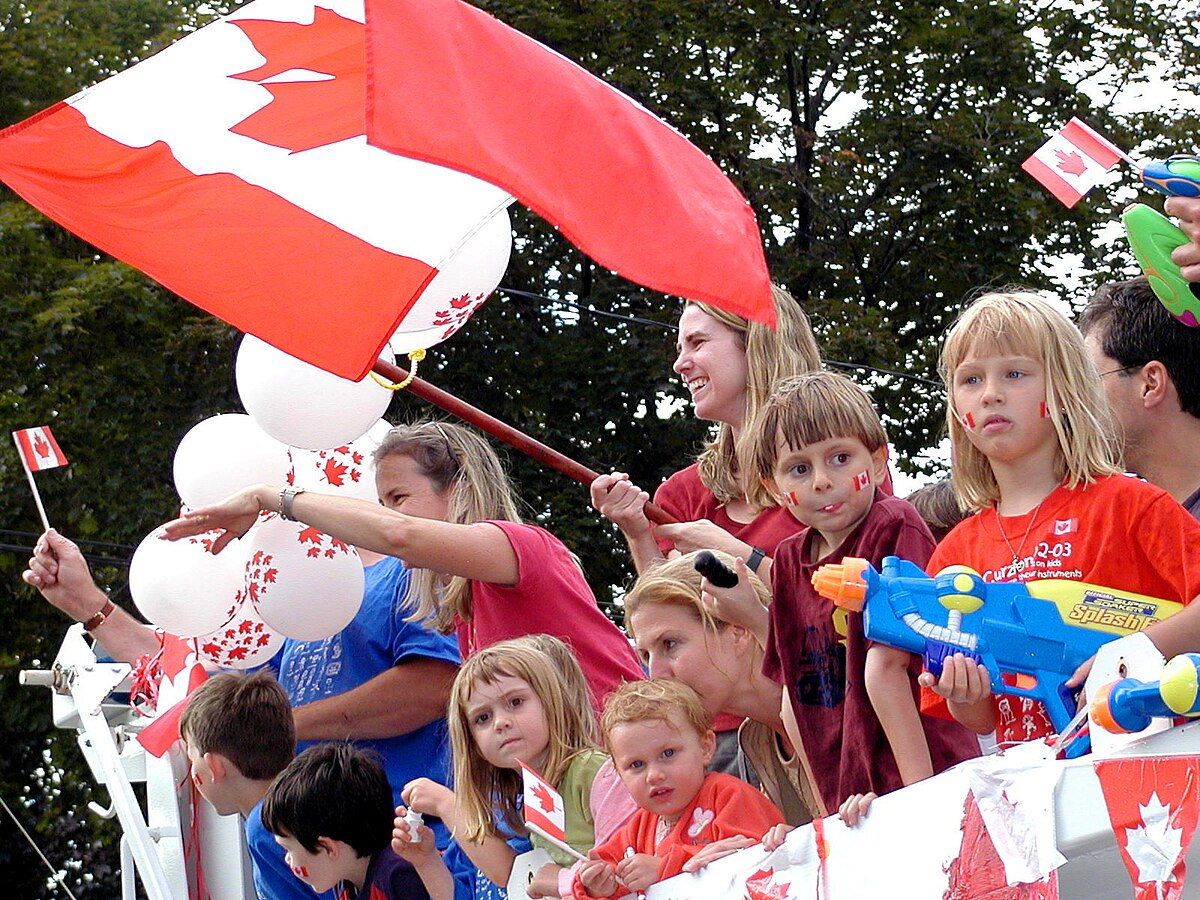 This shift does not diminish Canada Day’s significance; rather, it deepens it. A mature nation is one that can celebrate its achievements while also confronting its failures. Canada Day now exists in this space of complexity, where pride and responsibility coexist.
Younger generations, in particular, are reshaping how the holiday is observed. Social media, activism, and community-led initiatives have created new ways to engage with Canada Day, focusing on inclusion, environmental responsibility, and social justice.
Canada’s Place in the World
Canada Day is also a moment to reflect on Canada’s role beyond its borders. Internationally, Canada is often associated with diplomacy, peacekeeping, humanitarian aid, and democratic values. While this reputation is not without debate, it reflects how many Canadians see their country’s global responsibilities.
Canada’s foreign policy, participation in international organizations, and response to global challenges such as climate change and humanitarian crises are part of the broader national narrative. On Canada Day, Canadians are reminded that national identity is shaped not only by internal values but by how the country engages with the world.
For Canadians living abroad, Canada Day serves as a powerful connection to home. Embassies, consulates, and expatriate communities host celebrations that reaffirm cultural ties and national pride, even far from Canadian soil.
The Role of Media and Storytelling
Media plays a significant role in shaping how Canada Day is understood and experienced. News coverage, documentaries, opinion pieces, and cultural programming contribute to national conversations about identity and history.
Independent media platforms, community publications, and digital outlets have expanded the range of voices participating in these conversations. Stories that were once marginalized are increasingly being told, enriching the national narrative.
Canada Day, in this context, becomes an opportunity for storytelling. It is a chance to highlight local heroes, cultural traditions, historical milestones, and personal journeys that together form the fabric of the nation.
The Future
As Canada moves forward, Canada Day will continue to evolve. The challenges facing the country—climate change, housing affordability, reconciliation, economic inequality, and social cohesion will shape how Canadians define progress and success.
Canada Day offers a moment to ask important questions: What kind of country do Canadians want to build? How can diversity be transformed into genuine inclusion? How can historical injustices be addressed while fostering unity?
The answers to these questions will not be found in a single celebration or policy, but in ongoing dialogue and collective action. Canada Day serves as a reminder that nationhood is not a finished project but a continuous process.
A Day of Meaning and Responsibility
Canada Day is both a celebration and a responsibility. It honors the founding of a nation while acknowledging the complex realities that shaped it. It brings joy and pride, but also reflection and accountability.
At its best, Canada Day encourages Canadians to come together, not to ignore differences, but to recognize shared values of respect, fairness, and hope. It is a day to celebrate what unites the country while committing to the work still needed to ensure dignity and opportunity for all.
As fireworks fade and flags are folded away, the true meaning of Canada Day remains. It lives in everyday actions, in community connections, in the willingness to learn from the past, and in the determination to build a better future.
Canada Day is not just about remembering where the country began. It is about deciding, together, where it is going.