Measles cases in the United States are rising quickly, with serious outbreaks growing in South Carolina, Arizona, and Utah. Health officials say the disease is spreading in communities where many people are not fully vaccinated.
The outbreaks are part of a larger national increase in measles cases this year, raising renewed concerns among epidemiologists and public health agencies about the potential return of diseases once considered under control.
Outbreaks in Local Communities
In South Carolina, health departments have reported a fast rise in measles infections. The outbreak in Spartanburg County has grown quickly in recent weeks, with more people becoming sick and many others placed under quarantine.
Local authorities say more than 250 people, including students from several schools, have been ordered to stay home after they were exposed to the virus. Most of the cases in South Carolina are linked to exposures at a local church, highlighting how quickly measles can spread in close-contact settings such as religious gatherings, schools, and community events.
Officials warn that the outbreak may continue for some time, and they are urging families to get vaccinated to help slow the spread. Public health teams have been conducting contact tracing, identifying individuals who may have been exposed, and organizing vaccination clinics in affected areas.
Schools and local institutions have also been working with health authorities to enforce exclusion policies for unvaccinated individuals during outbreaks, a measure aimed at reducing transmission.
Along the border of Arizona and Utah, another large outbreak is worsening. The communities of Colorado City in Arizona and Hildale in Utah have seen a high number of measles cases.
Health departments in both states report that the virus has spread mainly among people who have not received the measles vaccine. Arizona has recorded many infections, especially in Mohave County, while Utah has confirmed dozens of cases. These outbreaks started earlier in the year and have continued to grow, despite efforts to contain them.
These twin communities, which share close social and familial ties across state lines, have historically experienced lower vaccination rates, making them particularly vulnerable to outbreaks. Health officials have been coordinating across state agencies to respond, but the interconnected nature of these populations has made containment more difficult.
Nationwide, the number of confirmed measles cases is nearing levels not seen in more than three decades. According to recent health data, nearly two thousand people in the U.S. have tested positive for measles this year.
This is a sharp increase from last year and reflects a troubling trend in public health. Measles was once considered eliminated in the United States, but experts say the disease can return quickly when fewer people are vaccinated.
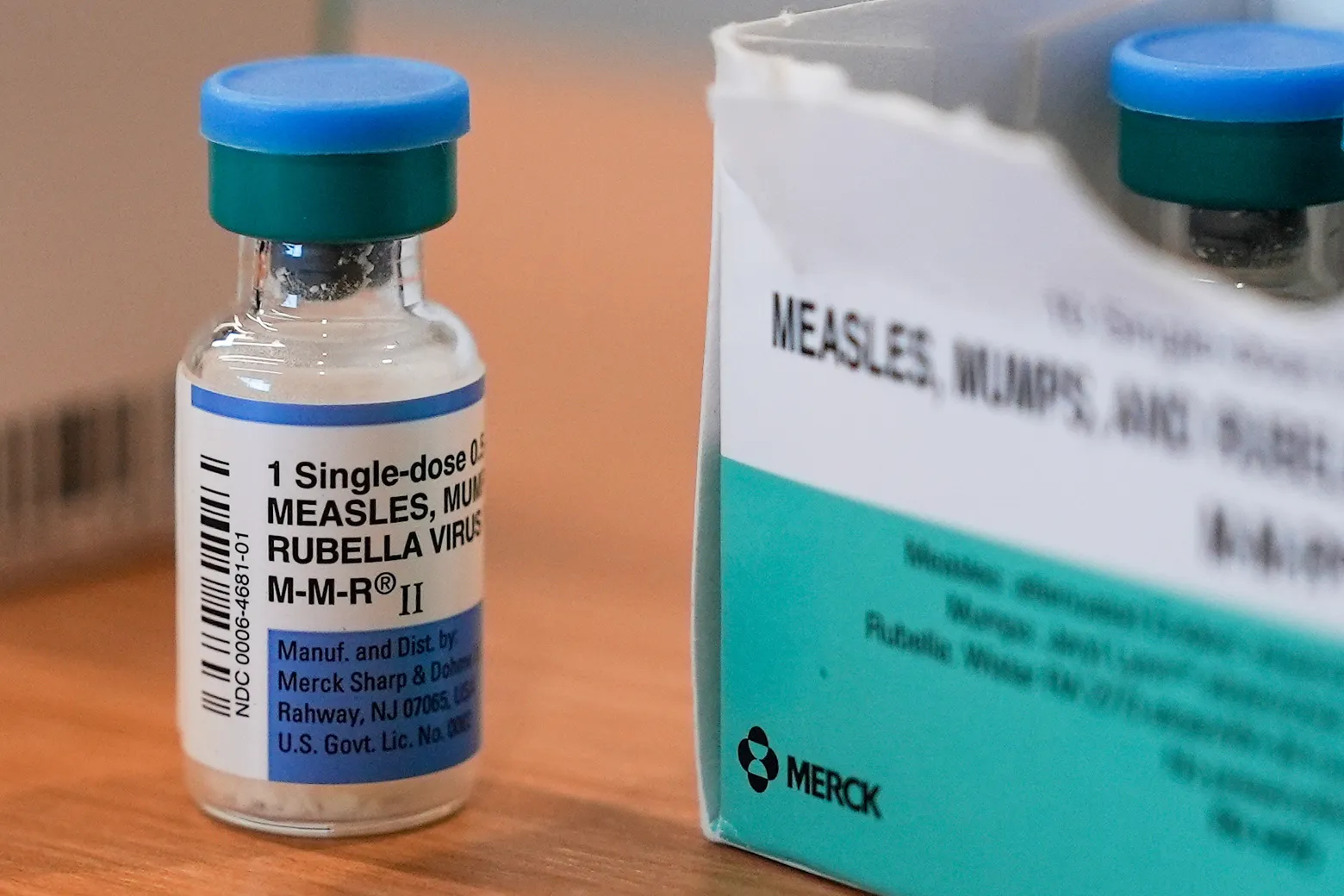
The United States declared measles eliminated in 2000, meaning there was no continuous transmission of the disease for more than 12 months. This milestone was achieved largely through widespread use of the measles, mumps, and rubella (MMR) vaccine. However, elimination does not mean the disease disappeared entirely; cases can still be imported from other countries where measles remains common.
In recent years, global measles outbreaks have contributed to the reintroduction of the virus into the United States. International travel plays a significant role, as unvaccinated travelers can bring the virus back into communities with low immunization coverage. Once introduced, measles can spread rapidly due to its highly contagious nature.
Why Measles Spreads So Easily
Measles is one of the most contagious diseases known. The virus spreads through respiratory droplets when an infected person coughs or sneezes. It can remain in the air or on surfaces for up to two hours, meaning people can become infected even after the sick individual has left the area.
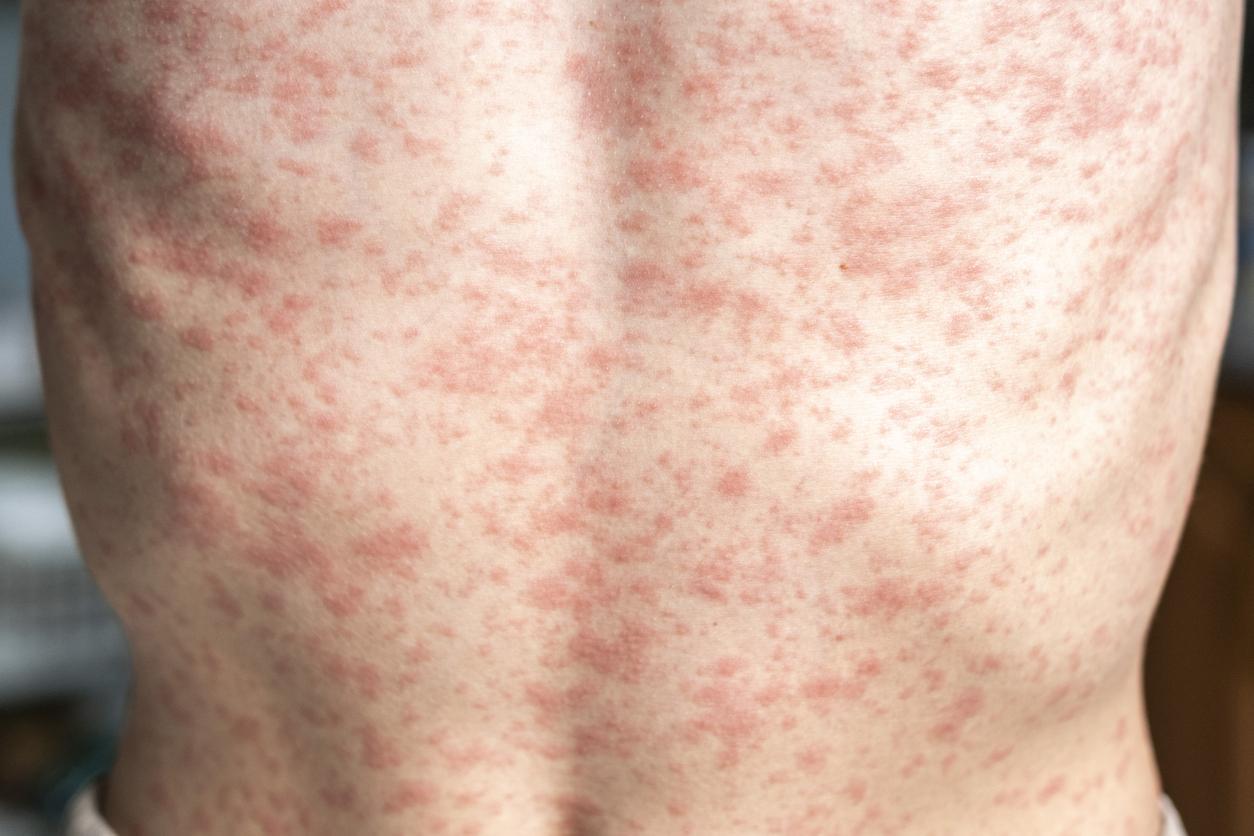
A person with measles can infect up to 9 out of 10 unvaccinated individuals who come into close contact with them. Symptoms typically begin with fever, cough, runny nose, and red eyes, followed by a distinctive rash that spreads across the body. In severe cases, measles can lead to complications such as pneumonia, brain swelling (encephalitis), and even death, particularly in young children and individuals with weakened immune systems.
Health experts emphasize that the disease is not a harmless childhood illness, as it is sometimes perceived. Before the introduction of vaccines, measles caused hundreds of deaths annually in the United States and hospitalized thousands more.
The Role of Vaccination
Doctors and public health officials stress that the measles, mumps, and rubella (MMR) vaccine is safe and effective at preventing infection. Two doses of the vaccine are about 97% effective at preventing measles, making it one of the most reliable tools in modern medicine.
They say increasing vaccination rates remains the best way to protect individuals and communities. High vaccination coverage creates what is known as herd immunity, which helps protect those who cannot be vaccinated, such as infants and individuals with certain medical conditions.
However, vaccination rates in some parts of the country have declined in recent years. This drop has been attributed to a variety of factors, including misinformation about vaccine safety, reduced access to healthcare in some communities, and disruptions caused by the COVID-19 pandemic, which led to missed routine immunizations.
Impact of the COVID-19 Pandemic
The COVID-19 pandemic significantly disrupted routine healthcare services, including childhood vaccination programs. Many families delayed or skipped pediatric appointments during lockdowns, leading to gaps in immunization coverage. Public health officials now believe these gaps are contributing to the resurgence of measles and other preventable diseases.
In addition, the pandemic fueled a surge in vaccine skepticism and misinformation, which has carried over into attitudes toward other vaccines, including the MMR shot. Experts warn that rebuilding trust in vaccines will be essential to preventing future outbreaks.
Public Health Response Efforts
Health departments across affected states are taking aggressive measures to contain the outbreaks. These include launching emergency vaccination campaigns, issuing public advisories, and working closely with schools and community organizations to raise awareness.
Mobile vaccination clinics have been deployed in some areas to make it easier for residents to access vaccines. In addition, public health officials are using media campaigns to educate communities about the risks of measles and the importance of immunization.
Quarantine measures are also being enforced for individuals who have been exposed to the virus but are not vaccinated. While these measures can be disruptive, officials say they are necessary to prevent further spread.
Challenges in Containment
Despite these efforts, controlling measles outbreaks can be challenging. The virus’s high transmissibility means that even small pockets of unvaccinated individuals can sustain an outbreak. In communities where vaccine hesitancy is deeply rooted, public health messaging may face resistance.
Cultural, religious, and social factors can also influence vaccination decisions, making it important for health officials to engage with community leaders and build trust. In some cases, misinformation spread through social media has further complicated efforts to increase vaccination rates.
The Broader Public Health Implications
The resurgence of measles in the United States is seen by many experts as a warning sign. It highlights vulnerabilities in the country’s public health system and underscores the importance of maintaining high vaccination coverage.
Measles outbreaks can strain healthcare systems, particularly when they occur alongside other public health challenges. They also require significant resources for contact tracing, testing, and outbreak management.
Beyond measles, declining vaccination rates could lead to the return of other preventable diseases, such as whooping cough and mumps. Public health officials stress that the current situation should serve as a wake-up call to strengthen immunization programs nationwide.
Health officials are now reminding parents and caregivers to make sure children and adults are up to date with their MMR shots to help stop these outbreaks and protect those most vulnerable. They emphasize that timely vaccination not only protects individuals but also helps safeguard entire communities.
 Efforts are also underway to improve surveillance systems, ensuring that outbreaks are detected and responded to more quickly in the future. Collaboration between federal, state, and local health agencies will be key to managing current outbreaks and preventing new ones.
While the current surge in measles cases is concerning, experts remain hopeful that with increased awareness and vaccination efforts, the outbreaks can be brought under control. However, they caution that sustained commitment will be necessary to prevent measles from regaining a permanent foothold in the United States.
In the meantime, the rising number of cases serves as a stark reminder of the importance of vaccines and the role they play in protecting public health.