Scientists have found a way to make old blood stem cells in mice act younger. This discovery could help fight age-related problems in the blood and immune system.
Blood stem cells, called hematopoietic stem cells (HSCs), live in the bone marrow. They make all the blood and immune cells in the body. As people and animals age, these cells work less efficiently. This can lead to weak immunity and increase the risk of diseases such as anemia and cancer.
In the new study, researchers from Mount Sinai in the U.S. and Paris Cité University studied why old stem cells lose their ability to work properly. They found that tiny parts inside the cells, called lysosomes, stop working well as the cells age. Lysosomes normally clean up waste inside the cells. But in older cells, they become too acidic and fail to do their job.
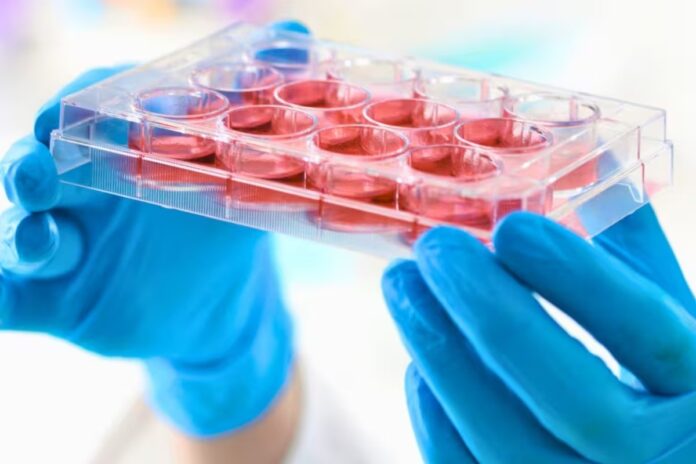
To fix this, scientists treated the old stem cells with a chemical called concanamycin A. This restored the lysosomes’ normal function. When the treated cells were put back into mice, they produced more blood cells up to eight times more than untreated old cells.
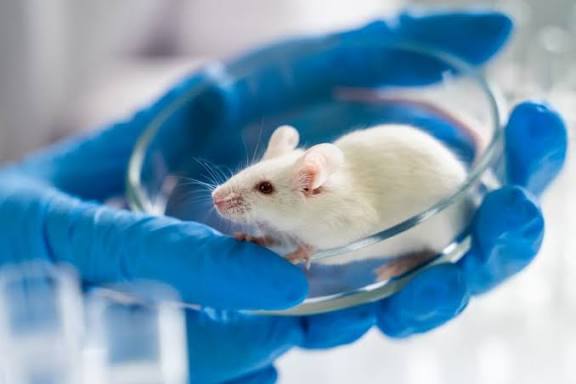
The treated stem cells also started behaving like young cells. They could make new blood and immune cells and renew themselves. This shows that aging in blood stem cells might be reversible.
The researchers say this discovery could lead to ways to improve blood and immune health in older people. It might also help stem cell transplants work better and reduce age-related blood problems.
However, they warn that this research has only been done in mice. More studies are needed to see if the same methods can safely work in humans.
This discovery gives hope that some effects of aging might be slowed down or even reversed one day. Scientists believe it could lead to new treatments that help older people stay healthier and stronger.