Nigeria’s chances of qualifying for the next FIFA World Cup competition are over following a penalty shootout defeat to the Democratic Republic of Congo. The Super Eagles lost to the Congolese by a 4-3 penalty shoot-out margin following a 1-1 draw in the African play-off final match that was held in Rabat.
The evening kicked off positively for Nigeria, as they took the lead just three minutes into the game. Frank Onyeka’s early strike, which was deflected heavily, caught the Congolese goalkeeper off guard, and it seemed as if the West Africans had the game in the bag. For a brief moment, it seemed as if Nigeria was turning the corner in a season plagued by instability.
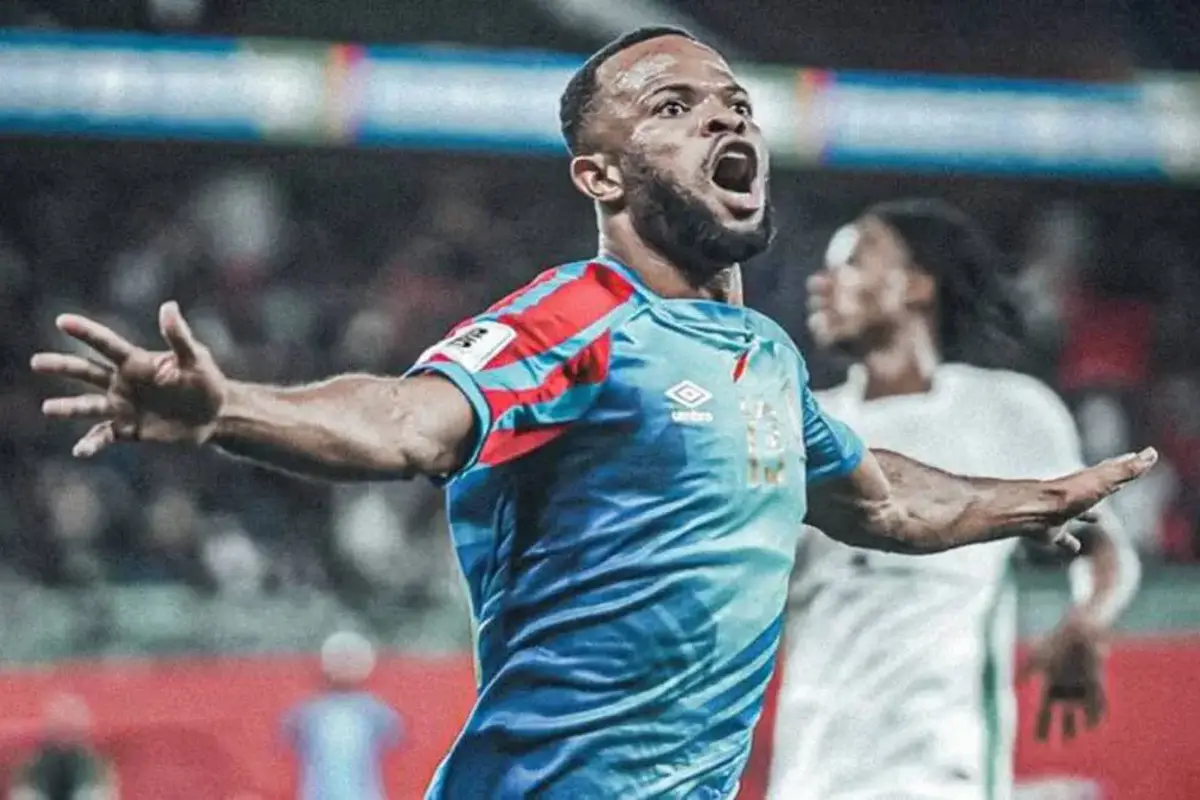
However, DR Congo, as they had done throughout the qualifiers, were not ready to back off just yet. With barely over half an hour played, the first equalizer came when Meschack Elia was the fastest to the loose ball in the Nigerian box, eventually slotting it in. After that, the momentum began to swing in favor of the Leopards.
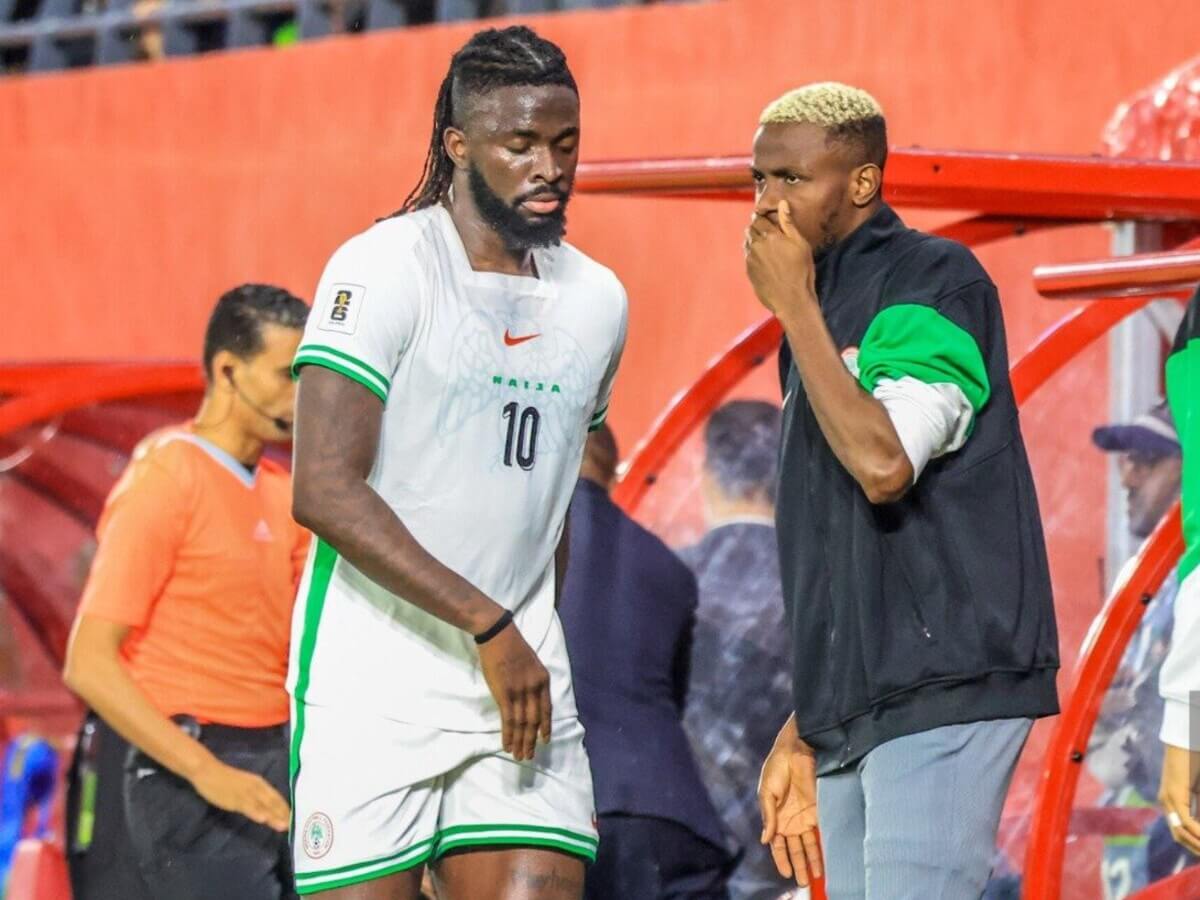
Nigeria struggled to regain momentum in attack, particularly after the withdrawal of key striker Victor Osimhen in the first half. The impact of his exit was felt as soon as he stepped off the pitch. Without Nigeria’s most potent goal threat, the Congolese pushed up, sustained possession, and looked much more confident in the final third.
The Congolese came close to stealing the victory in the latter stages of extra time as Chancel Mbemba’s header looked as if it was heading for the top corner, but Stanley Nwabali made a magnificent finger save to keep Nigeria in the game. That was only a temporary respite.
In the penalty shootouts, the most surprising move came when the Congolese side brought in Timothy Fayulu, the goalkeeper, just for the spot-kick session. The strategy worked as he managed to save the sixth spot-kick, which was taken by Nigerian defender Semi Ajayi. This was followed by the Congolese captain, Mbemba, who scored his spot-kick cleanly into the goal, sending the fans into jubilation.
For the Congolese, there remains the dream of competing in the World Cup after a hiatus since the last appearance in the year 1974. However, they proceed to the inter-confederation playoffs in March where they could complete this amazing experience after two more matches.
Nigeria, on the other hand, are the ones left to ponder the result of a qualifying campaign that has proven very tumultuous over the past two years, with three coaches in the dugout, as the Super Eagles have never seemed quite stable, lacking punch up front, most significantly due to the loss of Osimhen.
Rather than returning to the international arena as expected in the year 2026, Nigeria will be compelled to witness the World Cup from the sidelines for the second consecutive time, a huge blow for one of the African giants.