In a bold maritime operation, the US military executed strikes that strikes two boats off the coast in the Eastern Pacific Ocean, killing six suspected traffickers, according to official statements.
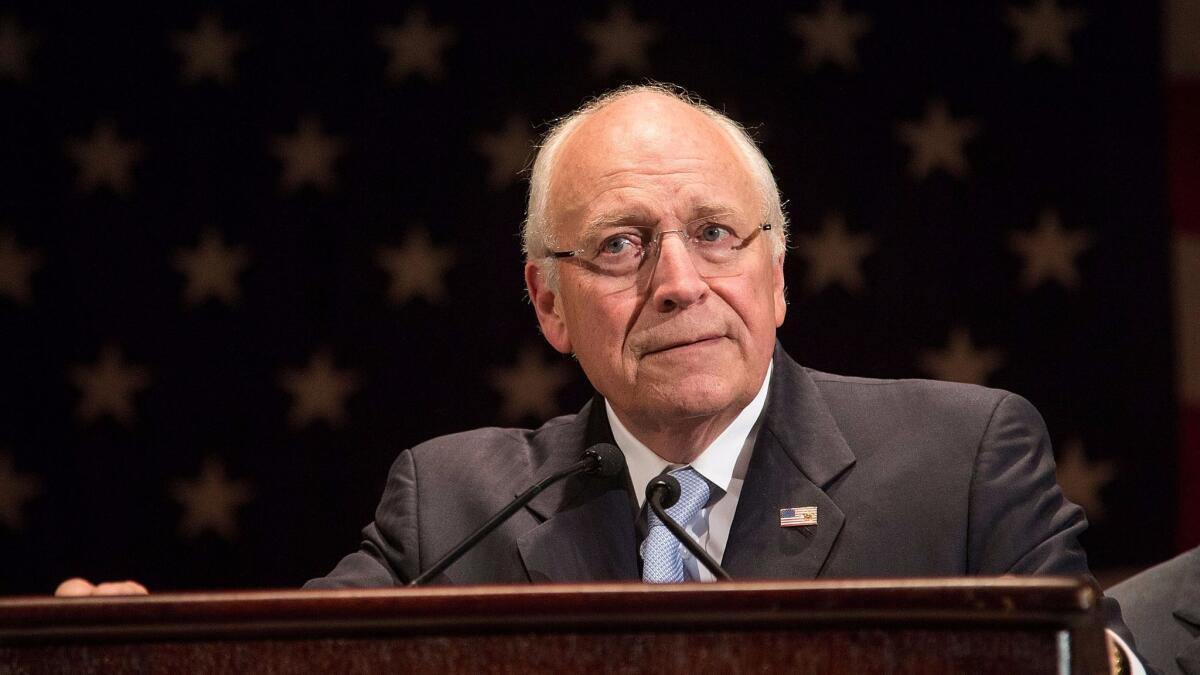
The incident, announced by Defense Secretary Pete Hegseth, represents the most recent phase of a controversial campaign labeling drug smuggling vessels as “cartel terrorists.” The operation raises serious questions about legality, strategy, and regional stability.
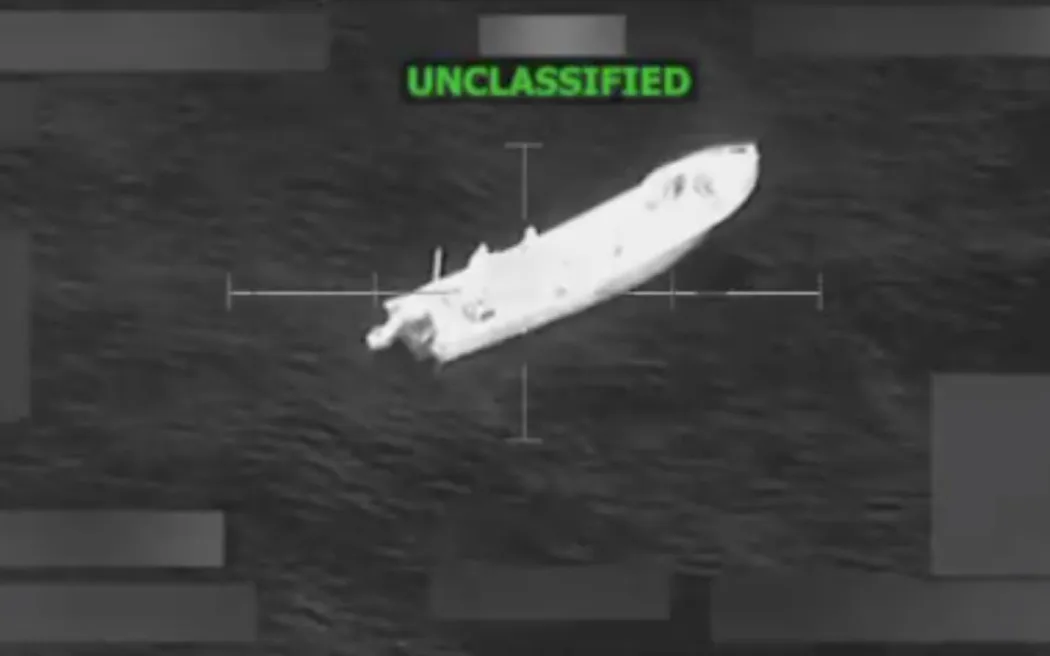
On Sunday, US forces targeted two small vessels traveling along a known narco-trafficking corridor, with intelligence indicating each boat carried illicit cargo and three male suspects. The Defense Department confirmed that all six suspects were killed and no US personnel were harmed.
The strikes took place in international waters in the eastern Pacific outside any declared war zone. The US released aerial footage that appears to show the weapons strikes and ensuing explosions. The action brings the death toll in this campaign past 70, marking a substantial intensification of US maritime use of force in the name of counter-narcotics.
According to Washington, the vessels were “known by our intelligence to be associated with illicit narcotics smuggling” and were traversing a transit route used by drug cartels. Defense Secretary Hegseth called those aboard “cartel terrorists” and said the strikes were authorized under President Donald Trump’s directive to protect the homeland.
However, critics argue that the US has yet to publicly present conclusive evidence linking the targeted boats to armed attacks or imminent threats.
The United Nations High Commissioner for Human Rights condemned the strikes as “unacceptable” and warned they may constitute extrajudicial killings since they occurred outside a formal armed conflict.
The move signals a major shift in how the US approaches drug trafficking at sea, moving from interdiction and arrests to lethal military force. Historically, the US Coast Guard handled such missions, but now the military is taking direct action under assertions of national security.
Legally, this raises tough questions. Under international law, lethal force must target combatants engaged in armed conflict or pose an imminent threat.
In this case, the targets were small vessels suspected of trafficking, not clearly defined as combatants under wartime rules. Some analysts say that sets a worrying precedent for state use of force against non-traditional threats.
The strikes have triggered alarm in the region. Venezuelan President Nicolás Maduro accused the US of aggression and of using the campaign as a cover for interventionist aims.
Latin American countries fear the expansion of US military presence closer to their shores as part of a broader challenge to sovereignty and regional security.
On the ground, there are troubling reports of civilian casualties and fishing vessels being misidentified as drug boats. In several earlier incidents, local authorities recovered survivors or searched for missing fishermen after US strikes. These scenarios heighten the risk of diplomatic fallout and local opposition.
The US appears committed to expanding this maritime campaign, but critical issues remain:
-
Will the Pentagon release transparent evidence linking vessels to narcotics or terrorist groups?
-
How will Congress and allies respond to strikes that bypass traditional war authorizations and legal frameworks?
-
Could the campaign backfire by inspiring cartel retaliation, increasing regional instability, or eroding trust in US leadership?
These questions suggest that the strike is more than a tactical success—it is a strategic gamble with far-reaching implications for US policy and international norms.
The decision to strikes two boats and kill six people in the Eastern Pacific underscores a dramatic intensification of America’s maritime approach to narcotics.
While intended to protect national security and curb illicit trafficking, the operation opens a Pandora’s box of legal, ethical, and diplomatic consequences.
The campaign may succeed in disrupting smuggling routes, but it also risks undermining rule of law, regional cooperation, and global perceptions of US military restraint.