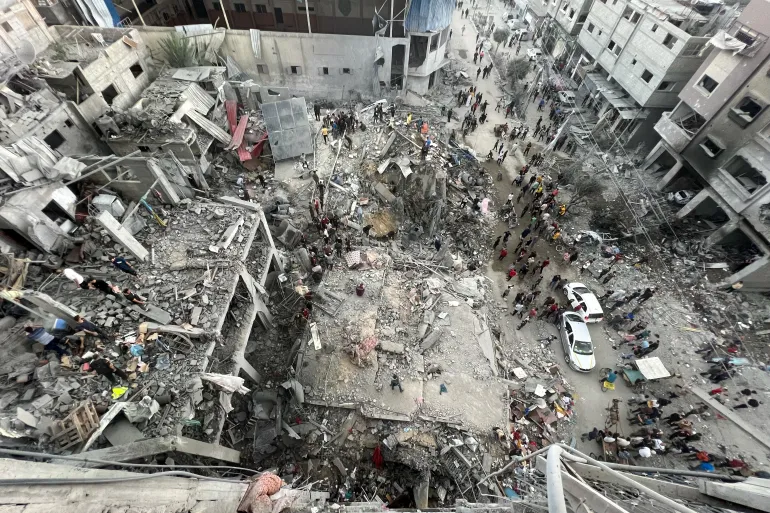
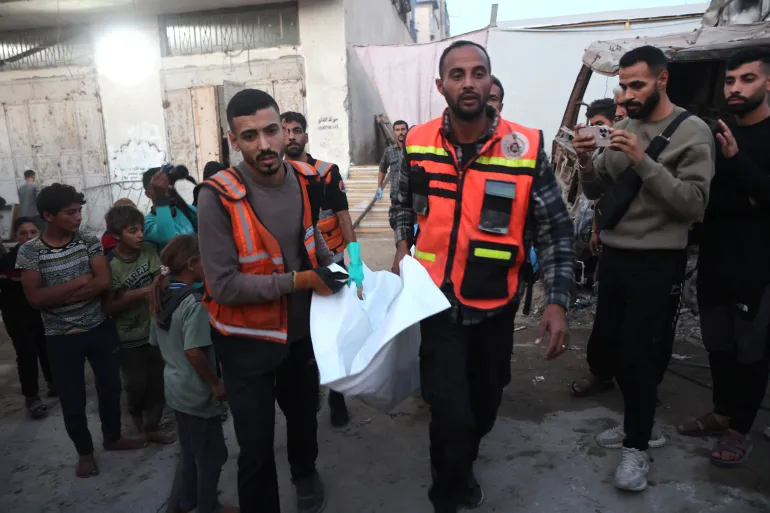
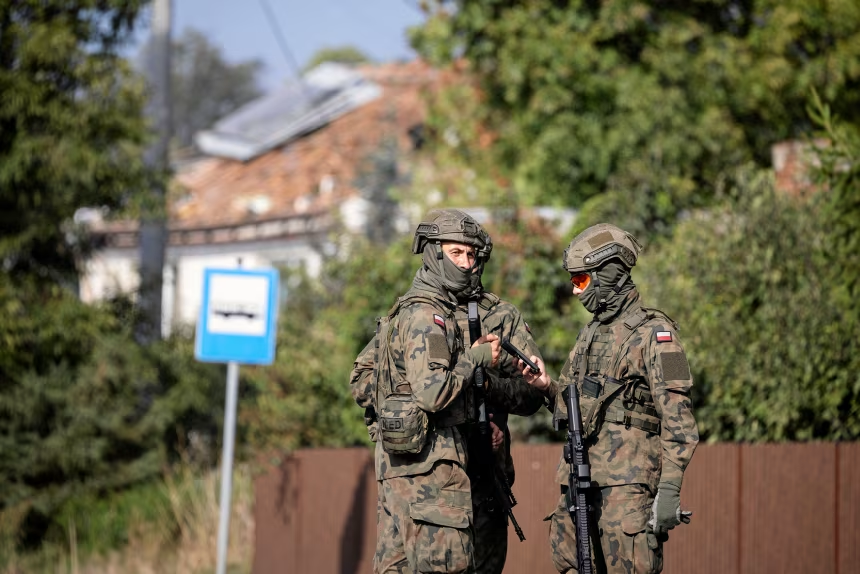
In a bold move that could reignite wider hostilities, the Israeli military says it is striking Hezbollah targets across southern Lebanon. The operation came after evacuation warnings to border villages and marks an escalation of near-daily strikes even though a ceasefire was brokered last year.
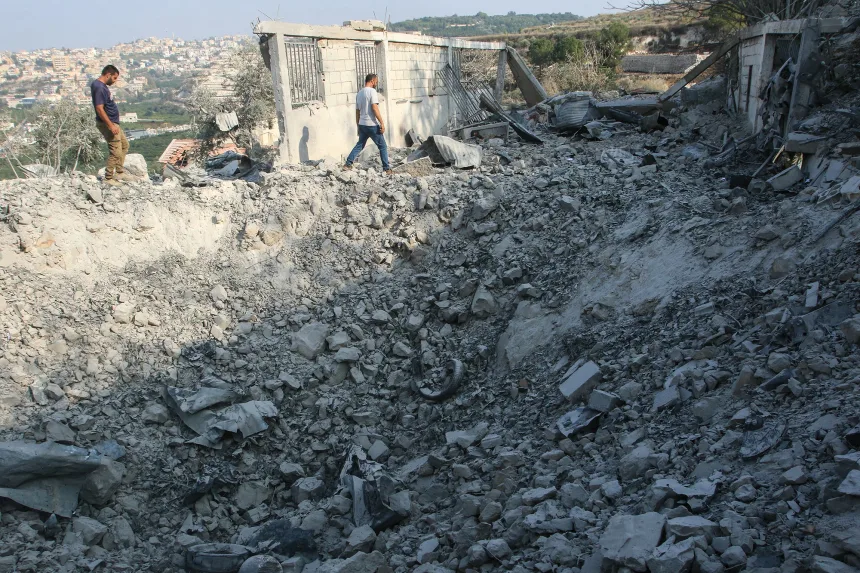
On Thursday, Israeli aircraft and drones targeted several villages in southern Lebanon, including Taybeh, Tayr Debba and Aita al-Jabal. Authorities issued maps and evacuation notices to residents, instructing them to stay at least 500 metres away from designated buildings.
The Israeli military claimed the targets were infrastructure and weapon-storage facilities used by Hezbollah’s elite Radwan Force and other units, which it says are rebuilding military capacity. Meanwhile, Lebanon’s Health Ministry reported at least one civilian injury during the strikes.
A U.S.- and French-brokered ceasefire took effect in November 2024 after more than a year of war between Israel and Hezbollah. Under that deal, Hezbollah was supposed to disarm in southern Lebanon and Israel was to withdraw its remaining border positions.
Despite this agreement, Israel says Hezbollah retains heavy weaponry and uses civilian areas as cover. Lebanon and Hezbollah counter that Israeli strikes and the continued presence of Israeli troops inside Lebanese territory violate the peace deal.
This isn’t just another flare-up. The Israeli claim that Hezbollah is rebuilding is deeply tied to regional power dynamics. Hezbollah remains backed by Iran, and Israel fears that a re-armed group could launch renewed rocket attacks or follow the model of the Gaza war to open multiple fronts.
On the ground, southern Lebanon, especially the Bekaa Valley and border towns, hangs in a delicate balance. Daily life has not returned to normal since last year’s conflict ended. Locals say the constant threat of air raids and displacement has brought war fatigue and economic collapse to once-quiet communities.
By announcing its operation so publicly, the Israeli military intends to send a clear signal. Defense Minister Israel Katz called the strikes a message not just to Hezbollah but to the Lebanese government. “We will not allow Hezbollah to re-arm,” he warned.
This stance also pressures Lebanon’s civilian government, which is supposed to control southern security and enforce the ceasefire. Analysts say Israel hopes to force action from Beirut, even at the risk of driving Hezbollah and Lebanon further toward Iran.
The cycle is clear: strike, warning, retaliation or at least the possibility of one. Hezbollah issued a letter insisting on its right to resist occupation and reject talks with Israel.
Any misstep could lead to full-scale war, especially with civilians already bearing the brunt. Humanitarian groups warn that repeated strikes fracture trust in peacekeeping efforts and deepen the sense of insecurity among residents of southern Lebanon.
When the Israeli military says it is striking Hezbollah targets across southern Lebanon, it underscores how volatile the situation remains even under a ceasefire. For the people in the border towns, war isn’t something abstract it presses deep into their everyday lives.
For Israel, the threat from Hezbollah is real. For Lebanon, a large part of the population fears their country is being dragged into another dangerous spiral. The international troops, aid workers and local residents all have stakes here.
The message from Israel is firm: the ceasefire is only as meaningful as its enforcement. As the Israeli military says it is striking Hezbollah targets across southern Lebanon, the region braces for what could be another chapter in a very old conflict. With both sides standing firm, the question remains: will diplomacy prevail, or will the skies over southern Lebanon once again light up with missiles?