An airstrike that killed one person and wounded another in southern Lebanon has ignited fresh concern over Israel’s military operations in the region. The incident reinforces the fact that Israel kills one in south Lebanon while the wider Bekaa Valley continues to suffer the long-term fallout of war.
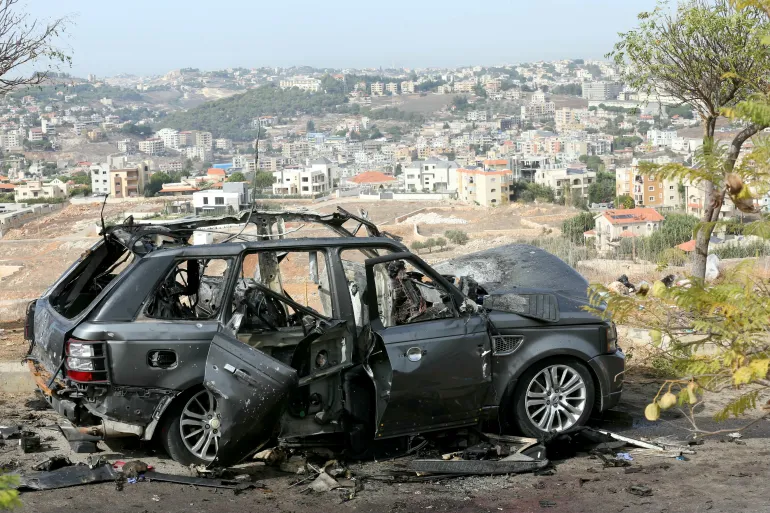
According to Lebanon’s Ministry of Public Health, an Israeli missile hit a car in the town of Burj Rahal in the Tyre district, resulting in one fatality and one injury.
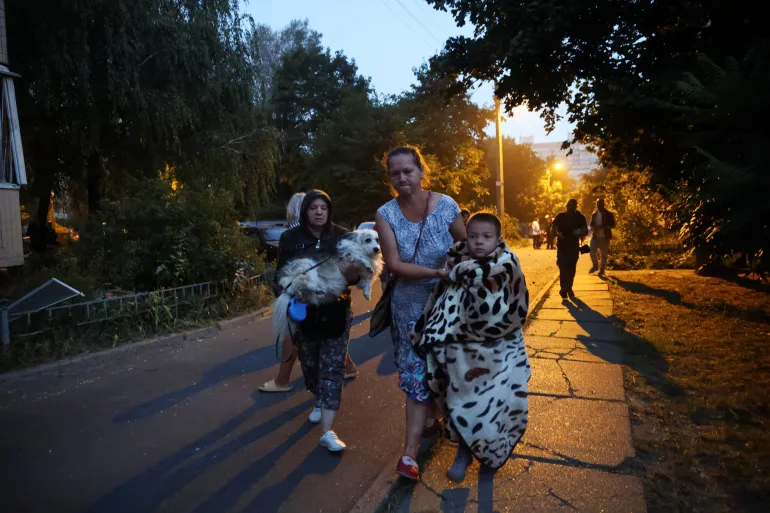
Witnesses described a sudden blast near a school, prompting parents to rush their children from classrooms in panic. The Lebanese National News Agency confirmed the strike took place despite a ceasefire agreement signed in late 2024.
While Israel did not immediately comment, regional observers noted that its forces maintain positions in several locations within southern Lebanon and continue to conduct near-daily attacks targeting what it asserts are Hezbollah fighters and infrastructure.
The Bekaa Valley, east of Beirut and once a relatively quiet agricultural region, remains scarred by last year’s intense campaign of strikes. Many residents say they live under the constant shadow of war. “What is happening now isn’t short of a war. It is a war,” said a valley resident.
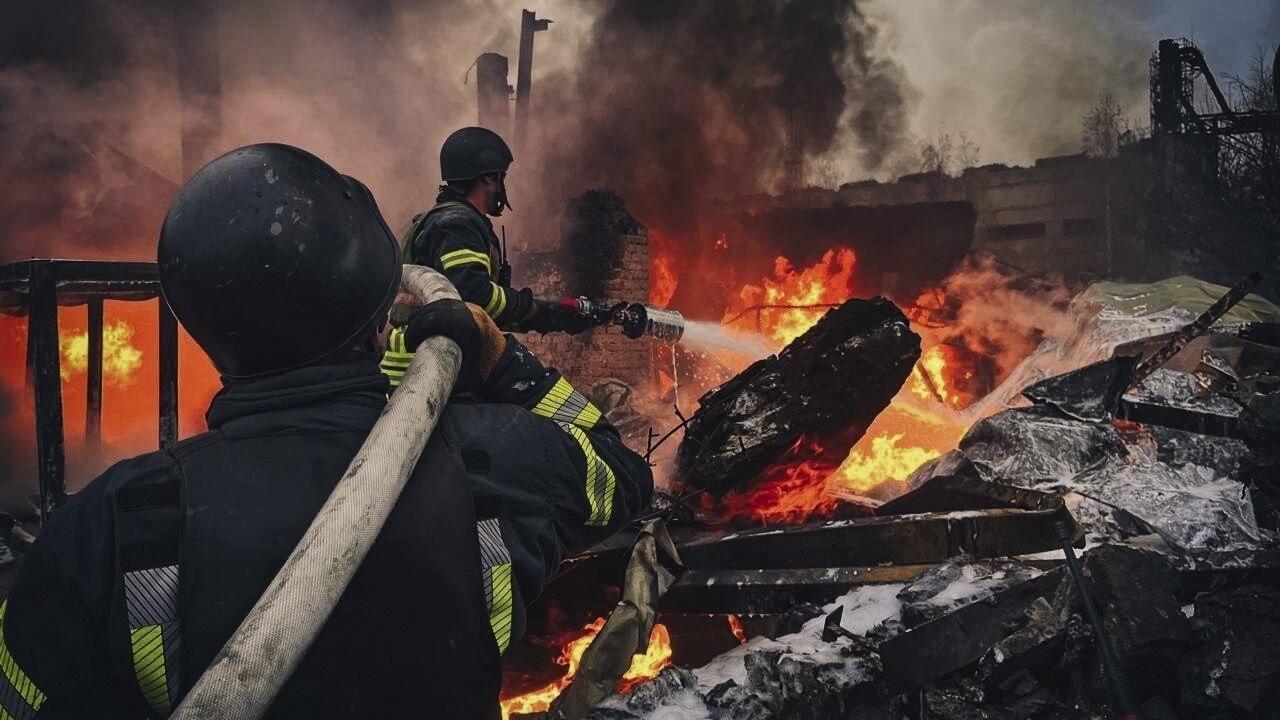
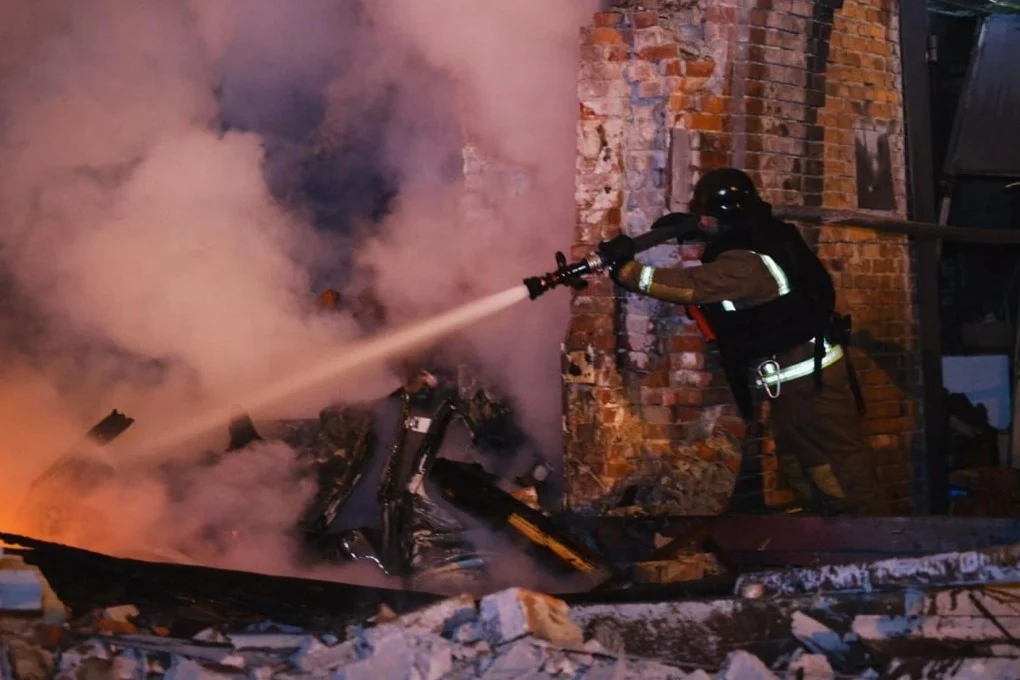
The valley saw dozens killed and entire villages flattened during previous months of conflict. Local winemakers and farmers among the displaced now struggle to restore their livelihoods.
In that context, the recent strike is not an isolated event, it reignites tensions and fears of renewed escalation.
Although the ceasefire stipulated a halt to major hostilities, the recurring strikes suggest the agreement is fragile. The Lebanese government and humanitarian agencies warn that each new attack erodes trust in the peace process and complicates long-term stabilization efforts.
Israel argues that disarming Hezbollah is essential for long-term peace, but Lebanese officials counter that renewed attacks risk triggering broader conflict again. President Joseph Aoun has ordered the army to confront future incursions into southern territory, illustrating growing domestic frustration with the status quo.
The recent strike underscores that just because bodies stop piling up doesn’t mean everything returns to normal.
For communities in southern Lebanon and the Bekaa Valley, rebuilding lives takes longer than negotiating peace deals. The latest incident reveals both how rapidly hostilities can flare up and how deeply scars run.
The international community must recognize that war’s legacy is not just in casualties—it’s in broken homes, disrupted seasons, trauma, and fear.
For Lebanon’s eastern regions especially, even a single strike now can ripple into mass displacement, economic collapse, and renewed recruitment for armed groups.
The message is clear: while headlines may shift, the risk remains. Israel kills one in south Lebanon today, but the toll of war in places like the Bekaa Valley won’t be measured just in lives lost this week.
It will show up in futures deferred, harvests abandoned, and local faith in peace vanishing. For peace to hold, this moment must become a turning point, not just another sad chapter.