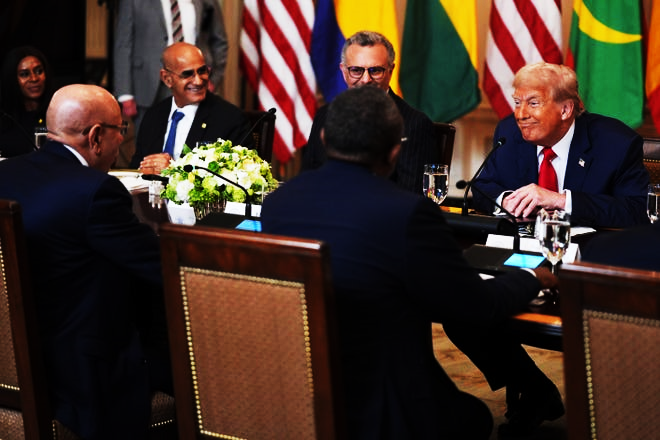
When U.S. President Donald Trump cited the killing of Christians in Nigeria as a justification for possible military action, he spotlighted a serious issue. But the reality is more complex: violence in Nigeria is not limited to Christians. Muslims, farmers, herders and communal groups also suffer from conflicts rooted in land, ethnicity, religion and economic stress.
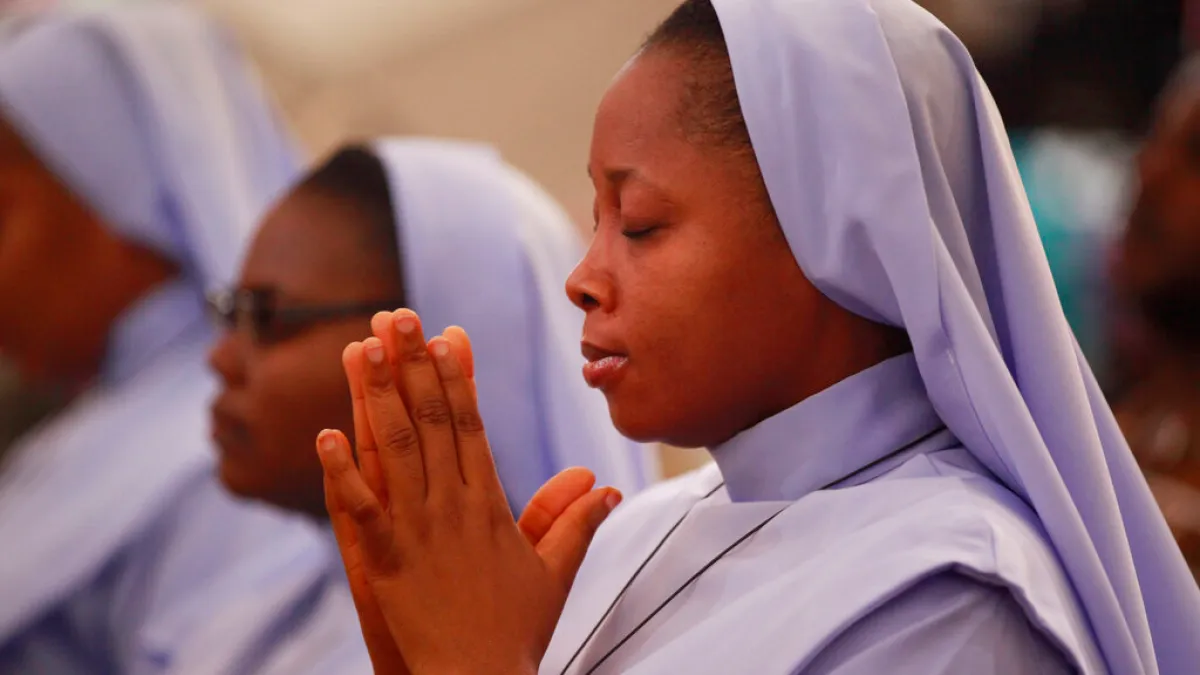
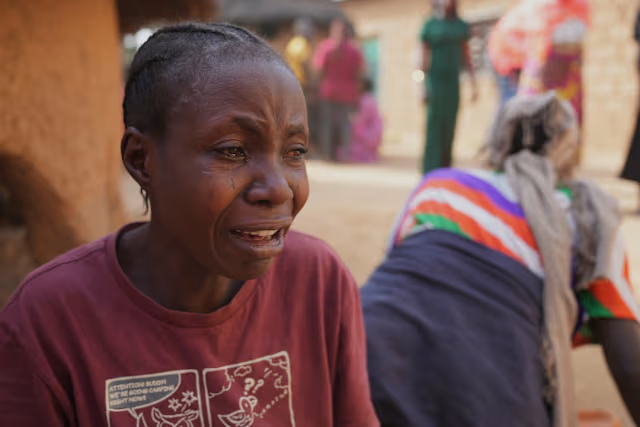
Reports paint a grim picture for Nigerian Christians. One local NGO estimates that at least 52,000 Christians have been killed since 2009. A recent year-to-date figure points to over 7,000 Christian deaths in just the first half of 2025 alone. Victims include worshippers, pastors and village residents. These figures underscore the urgent need for protection of vulnerable communities. However, focusing solely on these numbers risks overlooking other victims and the more widespread nature of Nigeria’s violence.
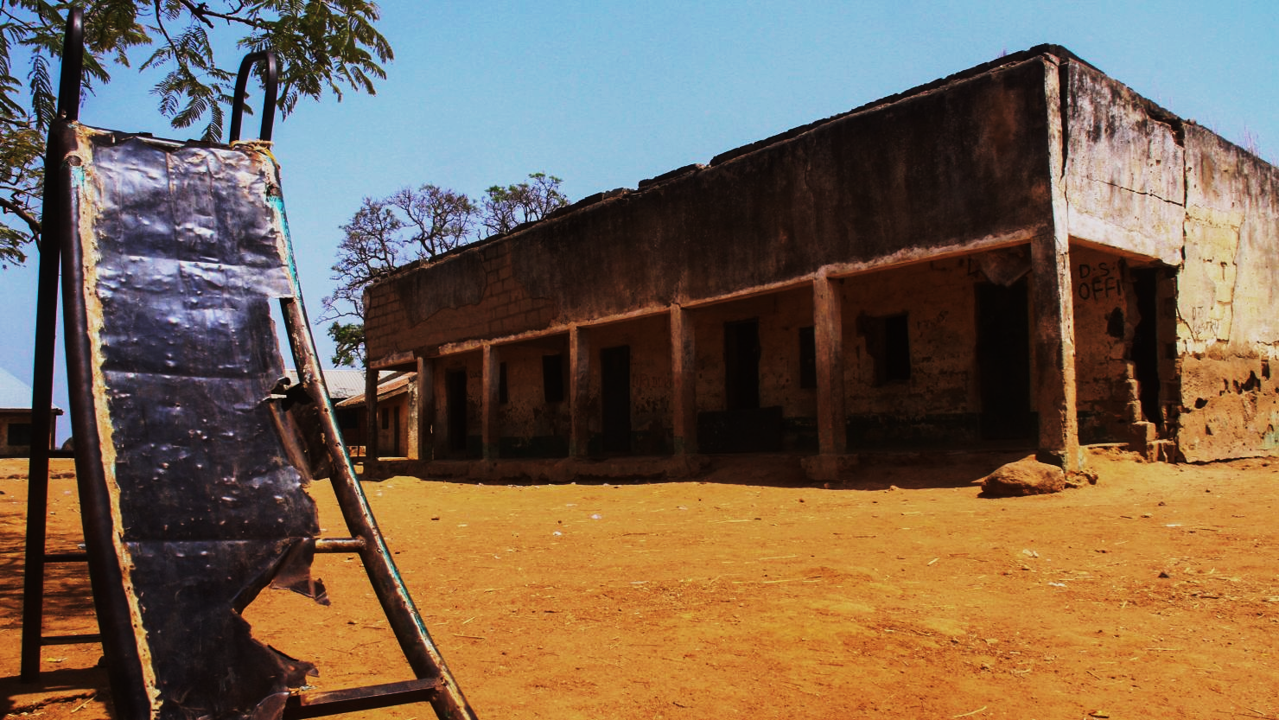
Saying violence in Nigeria is not limited to Christians doesn’t undercut the suffering of Christian communities, it broadens the lens to understand the full dynamics. Research from the Council on Foreign Relations argues that viewing Nigeria’s unrest simply as “Christians vs. Muslims” oversimplifies the causes. For example, many attacks are driven by herders-farmers conflicts in Nigeria’s Middle Belt. These conflicts bring together resource scarcity, climate change and ethnic friction, as seen in Benue state where Fulani herders and Christian farmers clash. Farm villages have been burned, children killed, and the violence has spread beyond traditional religious lines.
Groups like Boko Haram and Islamic State West Africa Province (ISWAP) also reflect that violence in Nigeria is not limited to Christians. These jihadist networks attack civilians of all faiths, bomb mosques and churches and abduct anyone they deem opposed. Experts describe the violence as indiscriminate in many cases. They argue the focus should be on insurgency, state breakdown and communal cycles rather than purely religious persecution.
Nigeria’s federal government has repeatedly defended its commitment to protect all citizens irrespective of faith. At the same time, international bodies note the dire statistics for Christian losses. Yet a nuanced perspective shows that many victims do not fit neatly into a religious-victim paradigm. The data show that while Christian minorities in the north are heavily targeted, violence in other regions hits Muslims, farmers, herders and mixed communities. A proper response needs to address governance failures, land rights and early warning systems—not only theological conflict.
Recognizing that violence in Nigeria is not limited to Christians helps avoid skewed policy and media responses. It reminds us that effective solutions must tackle intersecting issues: radicalism, climate-stress, resource competition, ethnic rivalries and religious fault-lines. For the U.S. and global partners, understanding this complexity will shape whether policies target security cooperation, humanitarian relief or institution-building.
The stark reality is that Nigeria faces multifaceted violence touching Christians, Muslims, herders, farmers and civilians trapped in resource wars and insurgencies. While Christian deaths deserve urgent attention, an exclusive focus on them risks missing bigger patterns. For peace to advance, the world must recognise that violence in Nigeria is not limited to Christians and craft responses accordingly—ones that aim to protect every citizen, repair governance and prevent further loss of life.