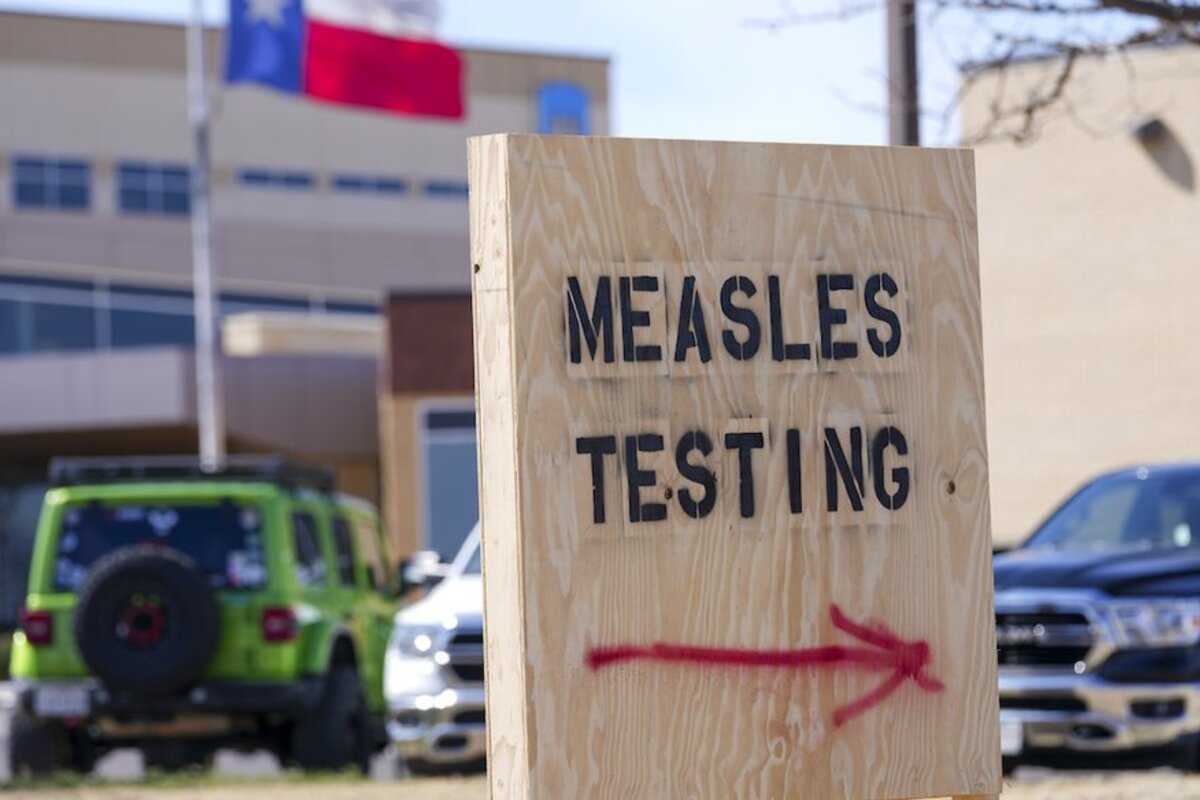
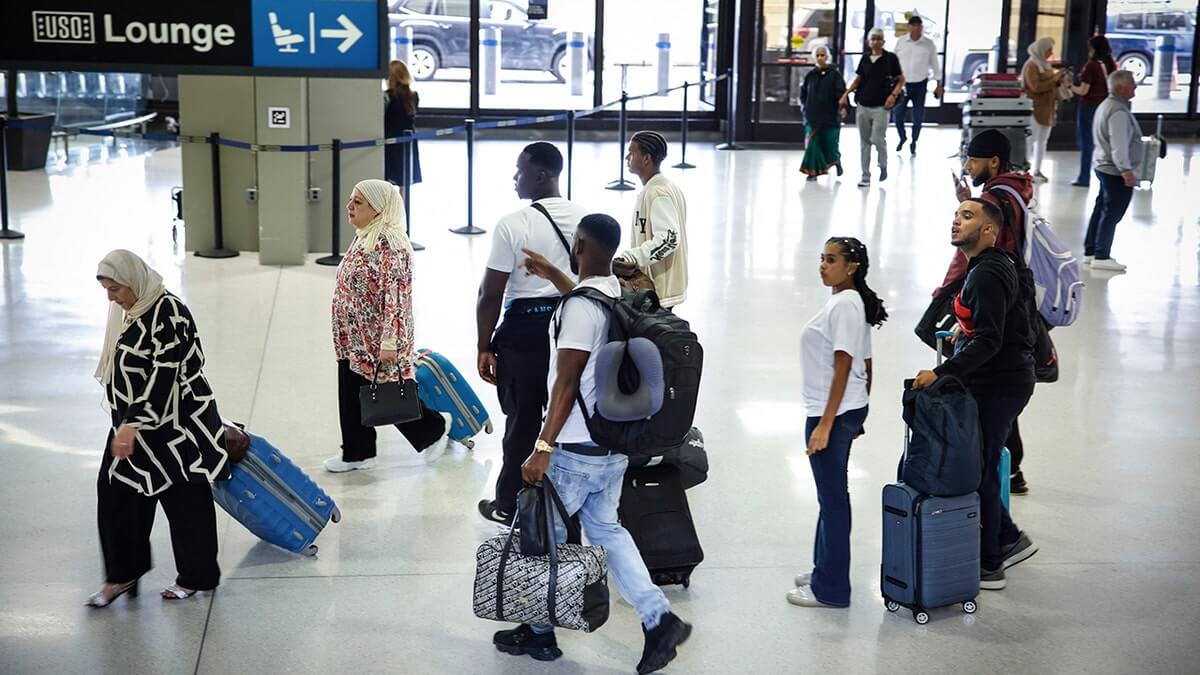
Health officials in New Jersey are alerting travellers after a confirmed case of measles at Newark Liberty International Airport. The warning comes from the New Jersey Department of Health (NJDOH), which said the person infected with the virus visited Terminal B on October 19, 2025 between approximately 2:15 p.m. and 5:30 p.m.
Anyone who was in that area during those hours may have been exposed to the highly contagious illness, officials said. The measles virus spreads easily when an infected person coughs or sneezes, and it can remain in the air for up to two hours after that person leaves the area.
According to the NJDOH, measles symptoms include a high fever, cough, runny nose, and red, watery eyes. A rash typically develops three to five days after the first signs of illness and usually starts at the hairline then spreads downward.
Officials warned that individuals exposed at the airport could develop symptoms as late as November 9, 2025. They urged anyone who suspects they were exposed, or who develops symptoms, to contact their local health department or healthcare provider before visiting a hospital or clinic. This helps prevent further spread of the infection.
So far, no additional cases linked to the airport exposure have been reported in New Jersey. The state has recorded 10 confirmed measles cases in 2025, up from seven in 2024. Nationally, there have been 1,618 cases across 42 jurisdictions this year the highest since 1992, authorities say.
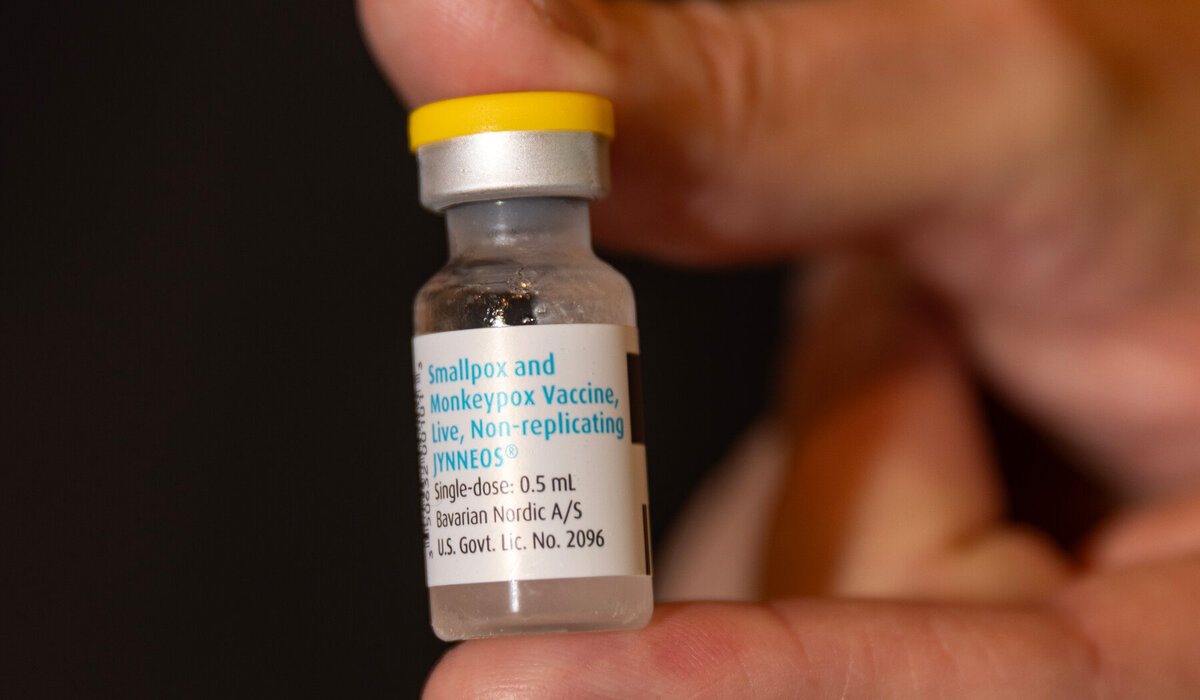
To prevent infection, the NJDOH emphasises the importance of the measles, mumps and rubella (MMR) vaccine, which is given in two doses. Unvaccinated individuals, young infants, and international travellers are especially urged to check their vaccination status.
Airport visitors, healthcare providers, parents, guardians and caregivers are all being urged to stay alert, monitor for symptoms and ensure vaccinations are current. Travel or staying in crowded places with insufficient immunisation may raise the risk.
Meanwhile, the NJDOH continues to work with local health departments to trace contacts and issue further alerts if new exposures are discovered.