Health officials in Louisiana waited for months before issuing a public warning about an outbreak of whooping cough that ultimately claimed the lives of two infants, raising concerns about the handling of the state’s public‐health response.
The illness, known medically as pertussis, has been spreading rapidly across the state and is now considered one of the worst outbreaks in decades. According to data, the state already tallied more cases in early 2025 than in all of 2024.

Despite the growing number of infections, the Louisiana Department of Health (LDH) did not issue a press release, alert or broad public message until much later, even when hospital staff and some health professionals were warning internally of rising numbers.
In February, the state’s Surgeon General, Ralph Abraham, confirmed that two infants had died from the infection, the first deaths in the state due to whooping cough since 2018. At that time, he also urged vaccine protection, especially for babies.
According to medical specialists, the delay in warning the public may have allowed the disease to spread unchecked among vulnerable groups, especially infants under one year of age, who accounted for the majority of hospitalizations. One source noted that since September 2024 about 70 percent of those hospitalized were babies under 12 months.
Parents and healthcare workers say the lack of early, visible public‐health messaging limited awareness. Pediatrician Joseph Bocchini of Shreveport said the vaccine‐preventable disease “is not just a bad cold,” adding that prolonged coughs, breathing difficulty and hospital stays are common, especially in very young children.
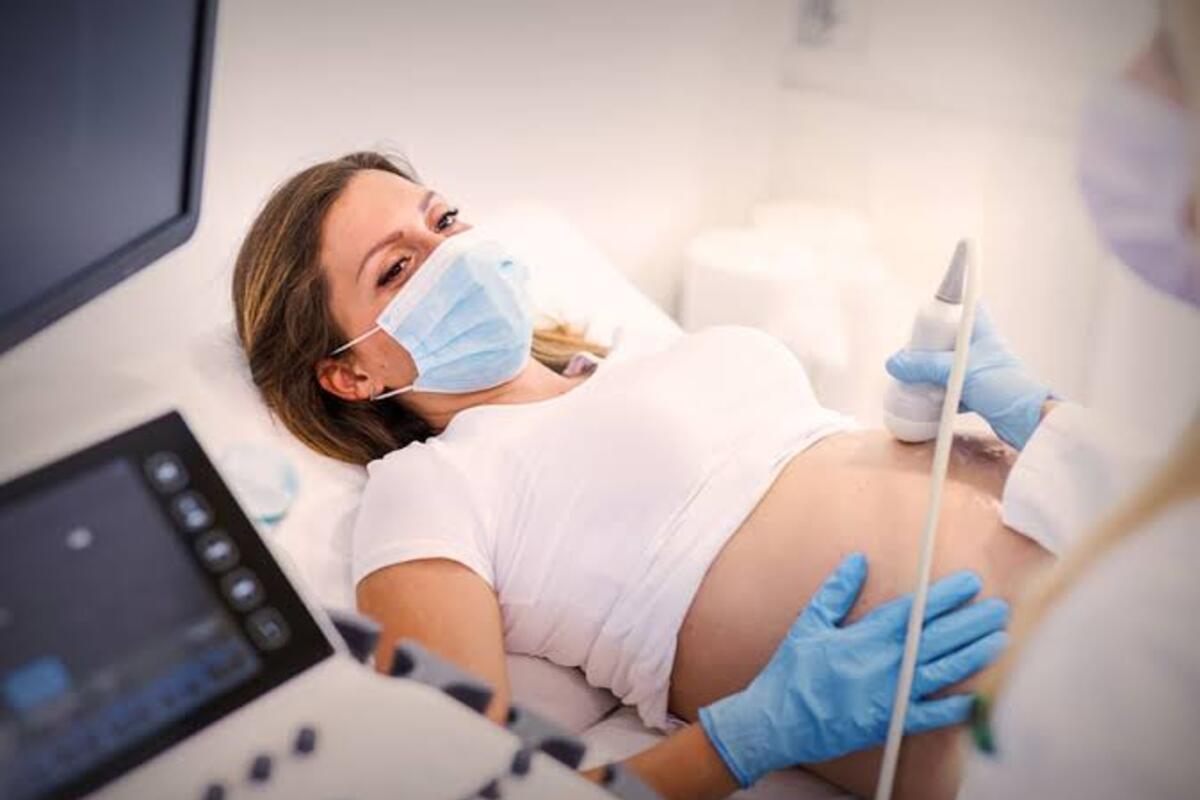
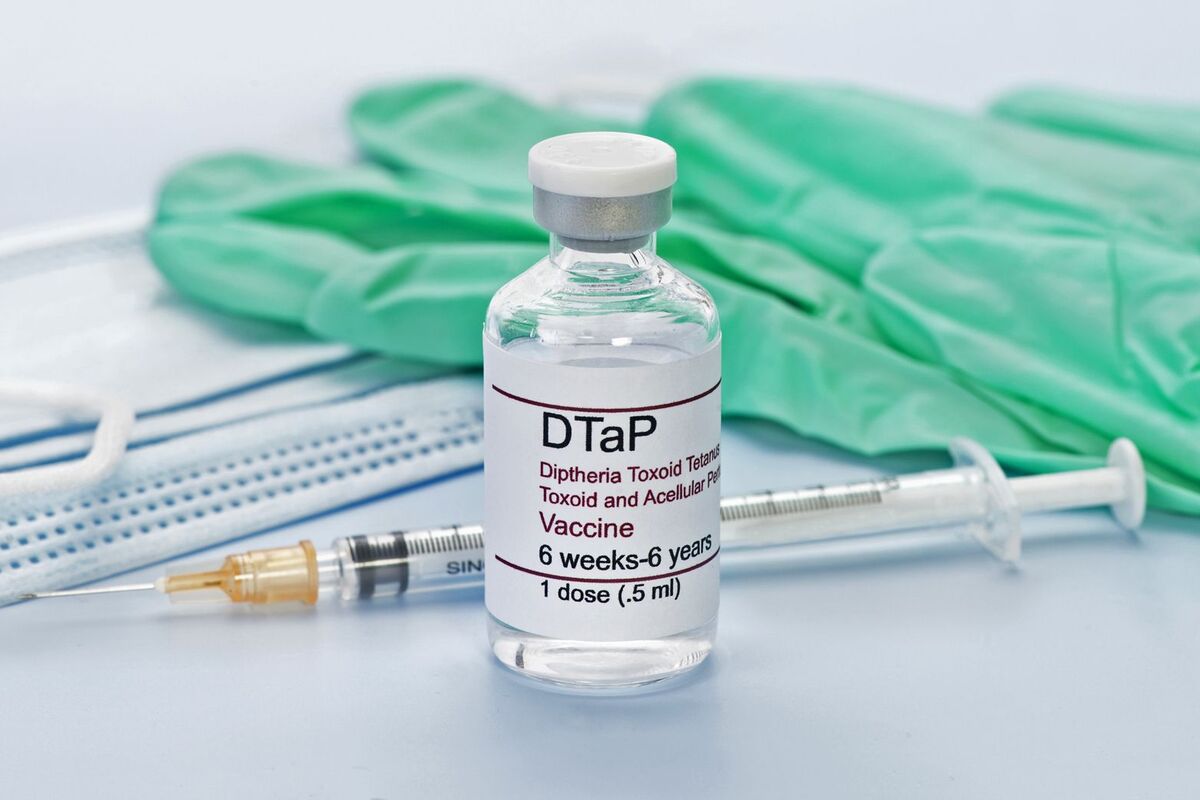
State officials say they are monitoring the situation, and the LDH has pointed to vaccination including the Tdap booster for pregnant women and DTaP series for infants as the best protection against the disease.
Still, critics say the delayed public warning may have cost valuable time. A public‐health alert, they argue, could have spurred earlier immunisations and caution among families of newborns or pregnant women. The absence of timely communication, they say, undermines the ability to protect vulnerable infants by ensuring that everyone around them is vaccinated.
As the fall season continues, Louisiana faces the possibility of its worst whooping cough season in more than three decades. Health practitioners are urging pregnant women to get immunised, all adults to stay up to date, and parents to watch for persistent coughs in children especially those too young to yet receive their first vaccine dose.
For now, the message is clear: when public‐health systems act too slowly, the risk rises. State officials say they are learning from the outbreak and promise to ramp up outreach, but families say the prior delay underscores the need for transparency and urgency when infant lives are at stake.