Across Russia, regional governments are offering increasingly large financial incentives to attract new recruits to the frontlines in Ukraine. Russian regions boost military sign-up bonuses as the war enters its third year, signaling the Kremlin’s struggle to maintain troop levels without launching another nationwide mobilization. The growing payouts reflect not only the intensity of the conflict but also the economic and social pressures that have reshaped Russia since the invasion began.
In recent months, recruitment offices across Russia have been advertising record-breaking enlistment bonuses. In some areas, new volunteers can receive between 500,000 and 1 million rubles upfront, the equivalent of 5,000 to 10,000 U.S. dollars. For many in struggling regional economies, this amount represents years of average income.
According to local reports, regions like Bashkortostan, Tatarstan, and Krasnodar have dramatically raised payouts, while Moscow and St. Petersburg offer additional benefits such as free housing, debt forgiveness, and monthly salaries exceeding the national average. Some local administrations even provide cash rewards for referrals, encouraging friends and family to persuade others to enlist.
The trend reflects growing urgency. Russia’s military has sustained significant casualties in Ukraine, with Western intelligence estimates placing total losses in the hundreds of thousands. As the conflict drags on, the government faces the dual challenge of replacing fallen soldiers and maintaining domestic stability.
The Kremlin remains cautious about announcing another nationwide mobilization. The last one, in September 2022, triggered widespread panic and a mass exodus of Russian men to neighboring countries such as Kazakhstan, Georgia, and Armenia. This time, the government is using financial incentives to quietly rebuild its forces without the political cost of another public draft.
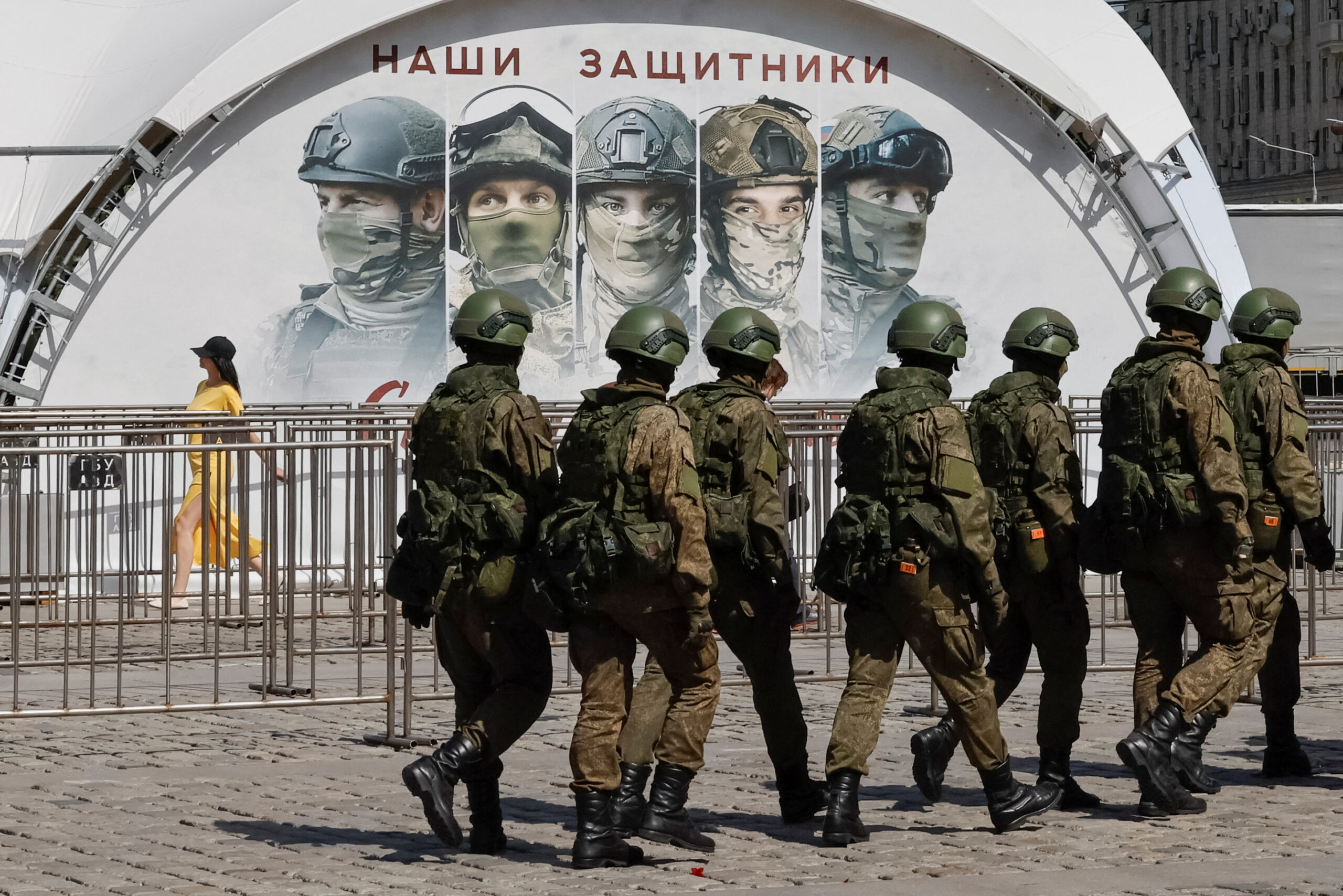
Regional authorities have been tasked with meeting recruitment quotas, and they compete to attract volunteers with higher payments and better perks. State-controlled media have launched campaigns portraying military service as patriotic and financially rewarding, often showing images of men receiving envelopes of cash or new cars.
This decentralized approach allows the Kremlin to expand its manpower pool while maintaining the appearance of normalcy in major cities. However, it also highlights Russia’s uneven economic landscape, where poorer regions shoulder a disproportionate share of the fighting.
For many Russians, joining the military is no longer just a patriotic choice but a financial lifeline. The war has deeply affected the domestic economy. Western sanctions, inflation, and reduced job opportunities have pushed many families into hardship, especially in rural and industrial areas.
A factory worker in a small town might earn the equivalent of 300 to 400 dollars per month, while a new recruit could receive ten times that amount just for signing up. Once deployed, soldiers are promised monthly payments of up to 200,000 rubles, bonuses for completing missions, and benefits for their families in case of injury or death.
Analysts note that this financial motivation has turned recruitment into a form of “economic mobilization.” In regions with limited opportunities, the military has become one of the few viable employers, and enlistment ads are now common on billboards, buses, and social media.
However, these financial incentives come at a cost. Russia’s federal and regional budgets are under heavy strain, with war-related spending consuming more than 30 percent of total government expenditure in 2025. Many regions are borrowing money to fund their recruitment programs, raising concerns about long-term sustainability.
Behind the impressive figures and advertisements lies a more troubling story. Many of those lured by the high payouts face grim realities once deployed. Reports from independent Russian media and rights groups describe poor training, outdated equipment, and high casualty rates among newly recruited soldiers.
Families of volunteers often struggle to access the promised compensation after their loved ones are injured or killed. In some cases, regional governments have delayed or reduced payments, citing bureaucratic errors or budget shortfalls.

Social media platforms have become a place for families to voice frustration, sharing stories of missing payments and broken promises. Despite censorship, such posts reveal a growing sense of disillusionment among those who initially saw enlistment as a path to financial stability.
The surge in sign-up bonuses also reflects broader war fatigue within Russian society. After nearly three years of conflict, public enthusiasm has waned. Many Russians have grown weary of the constant news of casualties and economic decline.
While the state continues to control most media narratives, skepticism is rising, especially among younger citizens in urban areas. Yet, for many in smaller towns, the financial incentives remain too appealing to resist. The war, once seen as a distant geopolitical issue, has become a deeply personal economic decision.
This divide between urban and rural populations mirrors long-standing inequalities in Russia. Wealthier cities provide fewer recruits, while poorer regions send a disproportionate number of young men to the frontlines. The financial incentives, while effective in the short term, could deepen these divides in the long run.
Western analysts interpret Russia’s regional bonus strategy as evidence of growing manpower shortages. By avoiding a formal mobilization, Moscow seeks to minimize domestic backlash and international scrutiny.
At home, state media portrays the recruitment drive as a sign of patriotism and opportunity, but opposition figures and human rights organizations see it as exploitation. They argue that the government is preying on economic vulnerability to sustain a costly and unpopular war.
Internationally, this strategy has reinforced perceptions that Russia is stretched thin, relying on both financial incentives and external help, such as drones and munitions from allied countries like Iran and North Korea.
The question now is whether these regional incentives can sustain Russia’s military effort in the long term. While higher payouts may temporarily fill recruitment gaps, they do not address underlying problems such as morale, logistics, or battlefield conditions.
Moreover, as the war continues with no clear end in sight, even massive bonuses may lose their appeal. The promise of quick cash cannot fully offset the growing fear of death or injury. Eventually, the Kremlin may face the difficult choice of scaling back its ambitions or resorting to another round of mobilization.
As Russian regions boost military sign-up bonuses, the financial strategy underscores the challenges facing both the Kremlin and the Russian people. What began as a patriotic campaign has evolved into a battle for manpower fueled by money and desperation.
While these incentives may temporarily strengthen Russia’s forces in Ukraine, they reveal deeper cracks in the country’s economic and social fabric. The long-term cost of funding such programs, both financially and morally, may prove far greater than any short-term battlefield gains.