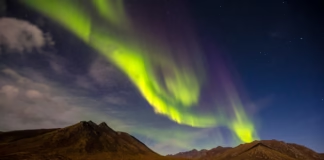
The Northern Lights, or aurora borealis, are among nature’s most breathtaking shows. Canada offers some of the best opportunities on earth to see this phenomenon. Vast skies, high latitudes, and minimal light pollution make the country a prime location for viewing the aurora.
This guide explores the Best Places to see the Northern Lights in Canada, the best seasons, and practical tips to help travelers plan a successful trip.
Canada spans the auroral oval, a magnetic zone where solar particles interact with Earth’s atmosphere. This geography creates frequent aurora displays, often visible on hundreds of nights each year. Unlike other countries, where sightings are rare, Canada’s north offers reliable opportunities. The country’s wilderness also ensures many regions remain dark and clear, ideal for stargazing and photography.
Yellowknife, Northwest Territories
Yellowknife, often called the “Aurora Capital of North America,” tops almost every aurora list. The city sits directly under the auroral oval, giving it an advantage that few places can match. Long winter nights, low humidity, and consistent clear skies increase the odds of a sighting.
Travelers enjoy more than just raw natural beauty here. Yellowknife has developed strong aurora tourism infrastructure. Heated lodges, guided tours, and expert photographers help visitors capture the experience in comfort. Its accessibility and high success rate make Yellowknife the most dependable choice for Northern Lights enthusiasts.
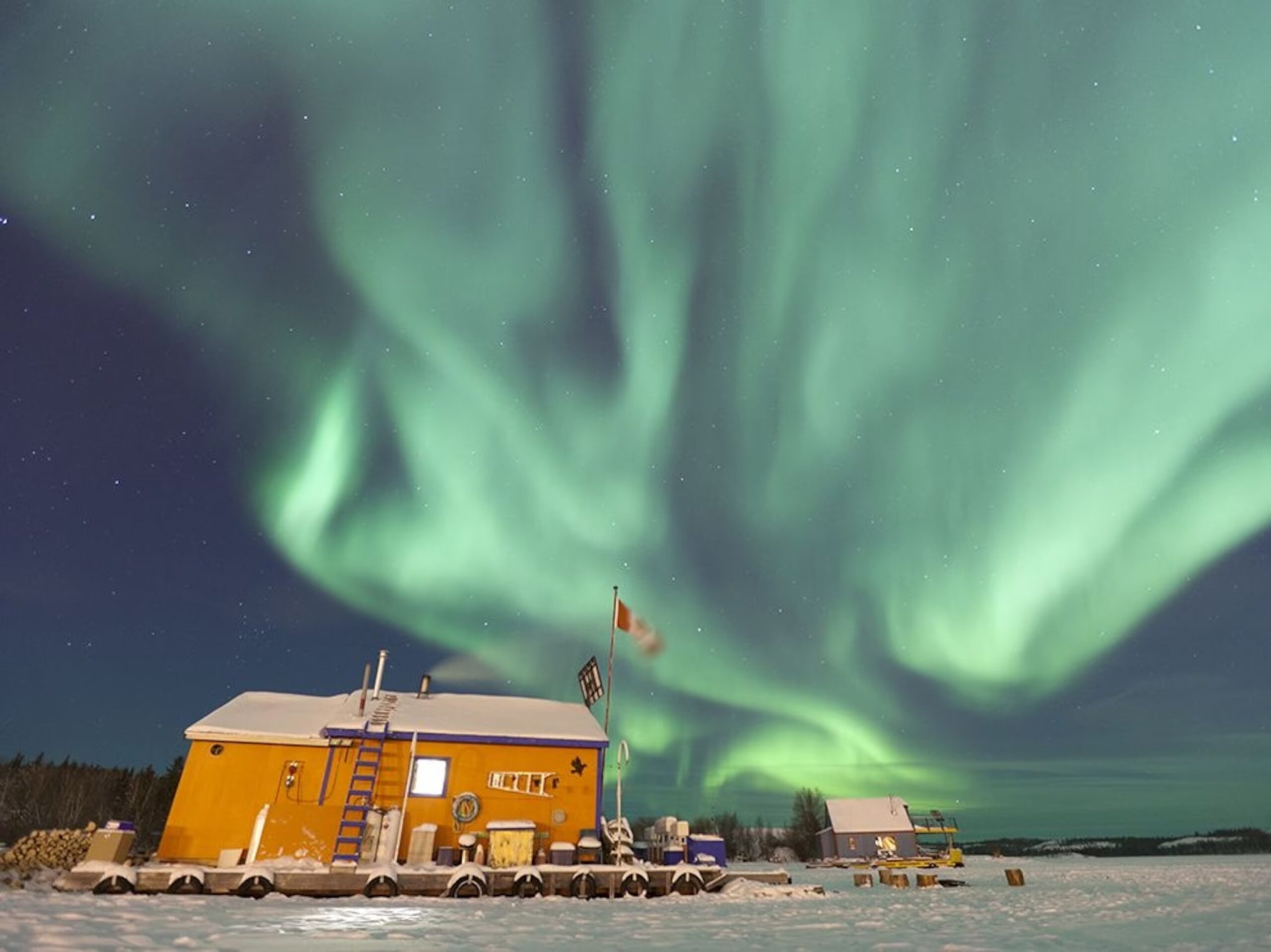
Churchill, Manitoba
Churchill is famous for polar bears and beluga whales, but it also stands out for aurora activity. Located just beneath the auroral oval, it records frequent Northern Lights displays, especially between February and March. During these months, nights are long, skies are clear, and conditions favor vivid shows.
Visitors often combine wildlife tours with aurora chasing. Specialized tundra vehicles and remote lodges give travelers wide, unobstructed horizons. This combination makes Churchill a rare destination where one can witness both Arctic wildlife and the aurora on the same trip.

Whitehorse and the Yukon
Whitehorse, the Yukon’s capital, offers strong aurora odds with easy accessibility. Surrounded by wilderness, the city allows quick escapes from artificial light. The prime viewing season runs from late August to mid-April, with October–November and March often balancing dark skies with milder temperatures.
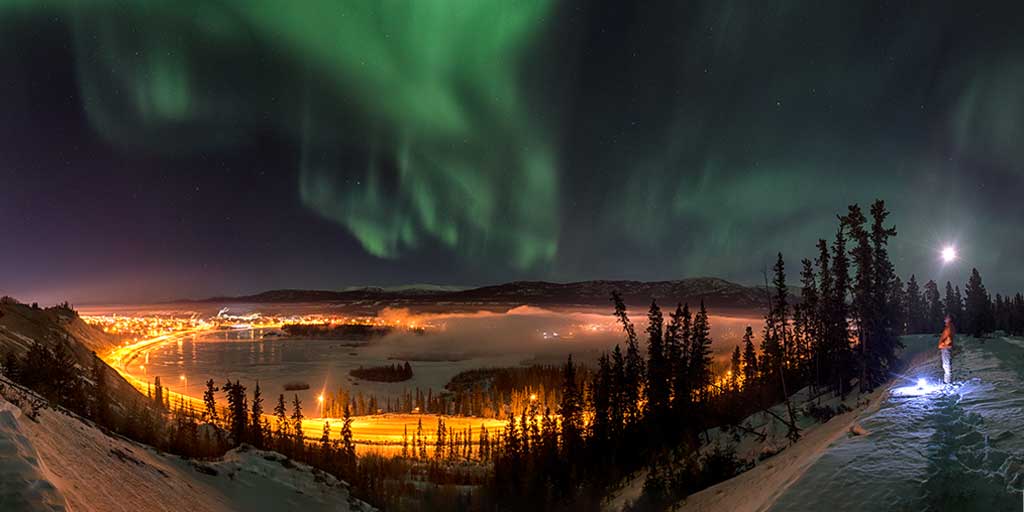
Beyond the aurora, the Yukon delivers adventure. Dog sledding, hot springs, and snowmobiling are popular additions to a night of aurora chasing. Many travelers appreciate how Whitehorse combines urban convenience with rugged northern landscapes.
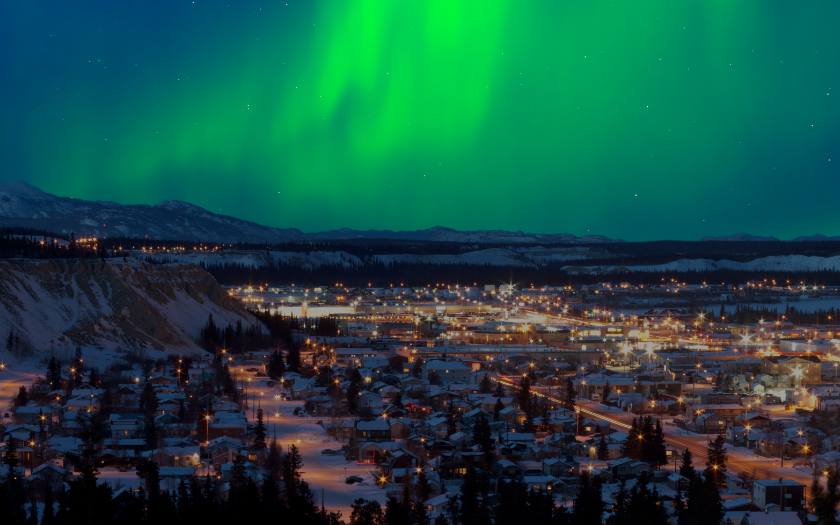
Banff and Jasper, Alberta
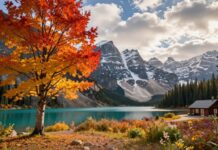
Although Alberta lies south of the auroral oval, Banff and Jasper National Parks still offer opportunities. These parks hold international recognition as dark-sky preserves, meaning minimal light pollution. When strong solar storms occur, the lights often appear above the Rockies, reflecting dramatically off peaks and lakes.
Because aurora activity is less predictable here, experts advise staying several nights to raise the chances of success. The reward is unique: the Northern Lights dancing over Canada’s most iconic mountain scenery.
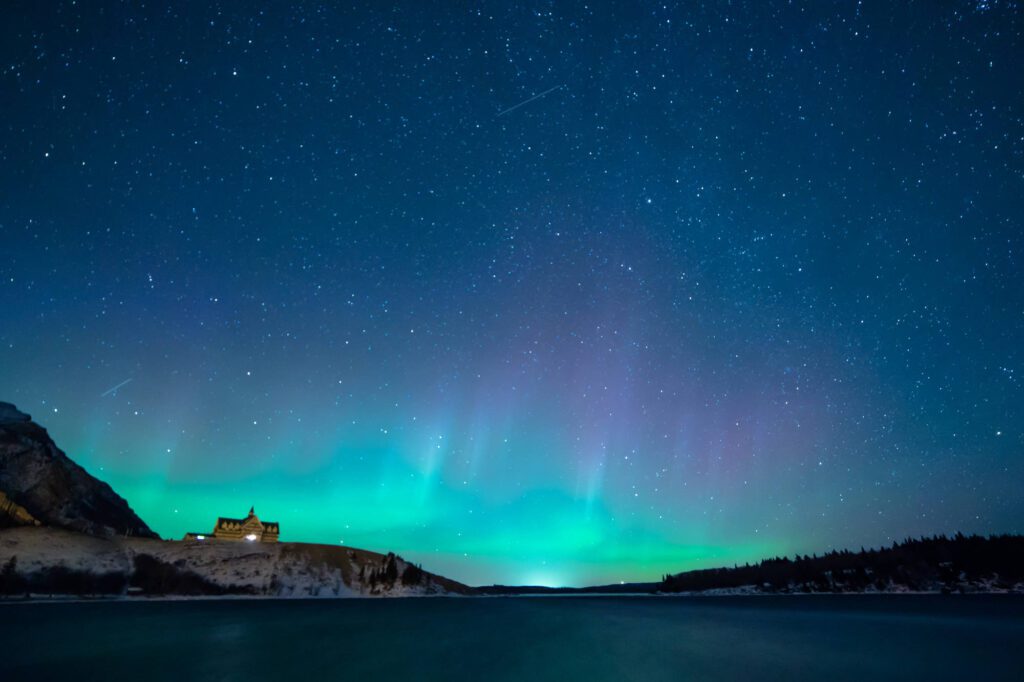
Other Notable Locations
Inuvik and Tuktoyaktuk (Northwest Territories): Remote towns with pristine skies and strong aurora activity.
Nunavut: High probability of sightings, though the region is expensive and harder to reach.
Northern Quebec and Labrador: Emerging destinations for adventurous travelers seeking less crowded skies.
Best Time to See the Northern Lights
In Canada, the aurora season runs from late August through mid-April. The darkest months—December, January, and February bring the longest nights, but extreme cold can pose challenges. Many experts recommend March and October for a balance of darkness and tolerable weather.
The most active viewing hours fall between 10 p.m. and 3 a.m. On moonless nights, displays appear brighter. Using aurora forecast apps and checking cloud cover before heading out increases the odds of success.
Tips for a Successful Aurora Trip
Stay multiple nights: The lights are unpredictable, so more nights mean more chances.
Dress warmly: Winter temperatures in Canada’s north can plunge well below freezing.
Find dark skies: Even small amounts of light can dull the experience.
Use local guides: Operators provide safe transport, heated shelters, and expert advice.
Canada remains one of the world’s best destinations for aurora chasers. Yellowknife offers unmatched reliability and infrastructure. Churchill adds the thrill of Arctic wildlife alongside aurora displays. Whitehorse combines accessibility with wilderness charm, while Alberta’s national parks deliver dramatic mountain backdrops when the skies erupt.
Travelers who plan carefully—choosing the right season, monitoring forecasts, and allowing flexible schedules, stand a high chance of success.
The Best Places to See the Northern Lights in Canada prove that this natural wonder is not only about the sky but also about the landscapes, cultures, and experiences that surround it.