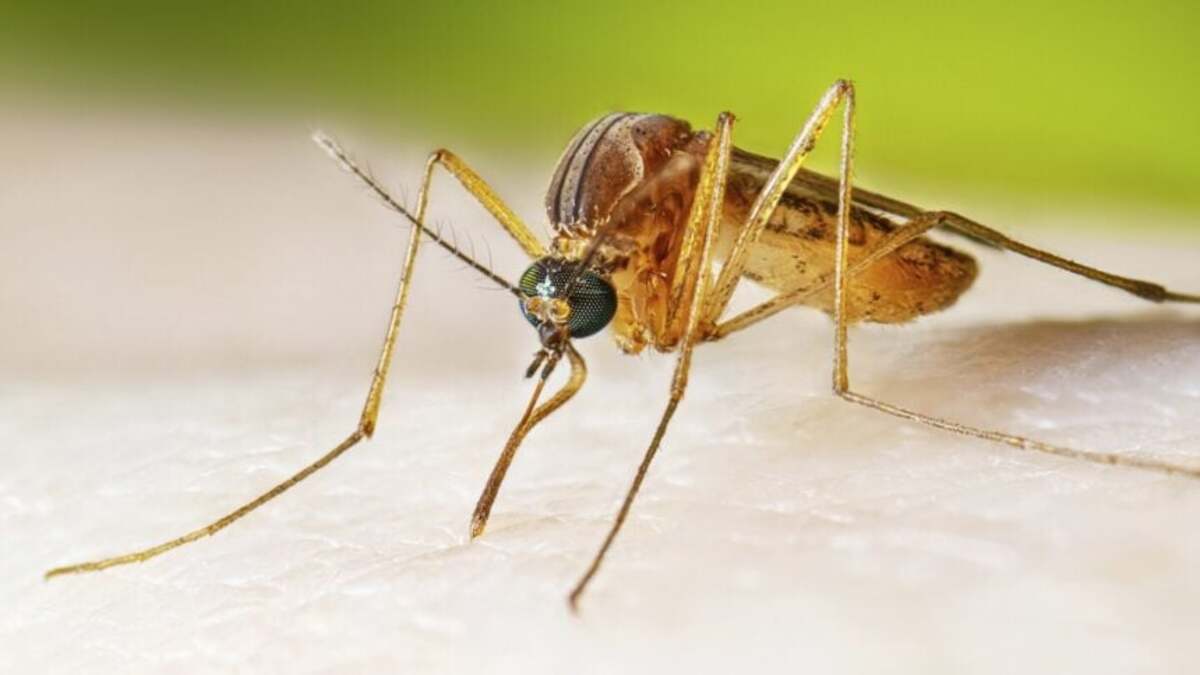
Health officials in the United States have reported that West Nile virus infections are becoming more severe so far this year, with case counts running 40% higher than normal. Meanwhile, West Nile virus is the leading cause of disease spread by mosquitoes in the contiguous United States.

According to Centers for Disease Control and Prevention data posted this week, an estimate of more than 770 cases, including about 490 severe cases, were reported as of early September. Meanwhile, about 550 cases — 350 of them severe — are usually reported by this time of the year. Due to this outbreak, health officials are spreading warnings to the public because most cases of the mosquito-borne disease are reported in August and September.
In a recent statement made by Dr. Robbie Goldstein, Commissioner of the Massachusetts Department of Public Health, he emphasized that, “West Nile virus can be a very serious disease and its presence in mosquitoes remains high right now in Massachusetts”. Health officials suggest that people can protect themselves by wearing long-sleeved shirts and pants when possible, and using an EPA-registered insect repellent when spending time outdoors.
The history of West Nile virus in the United States dates back to 1999 in New York, when the first case was reported, after which it gradually spread across the country. By 2003, the virus had already gone viral, and an estimated 10,000 cases were reported.
According to scientific researchers, many people living in the United States — perhaps tens of thousands each year — are infected but don’t know it because they have no symptoms, or only mild ones such as body aches, headaches, joint pain, vomiting, diarrhea, and rashes. In severe cases, potential damage to the central nervous system causes inflammation of the brain or spinal cord, and eventually death.
In a statement made by CDC officials, “The problem is not that there are more mosquitoes this year, but rather that a higher proportion of the bugs are carrying the virus. Mosquito infection rates can be affected by such factors as temperature, rainfall, the amount of insect control going on, and how many nearby birds are infected.”
Currently, no licensed vaccines or medicines are available to prevent West Nile in people. The best way to protect yourself and your loved ones from West Nile virus is to prevent mosquito bites. Protecting yourself is especially important for people who are more at risk, including the elderly and those immunocompromised.