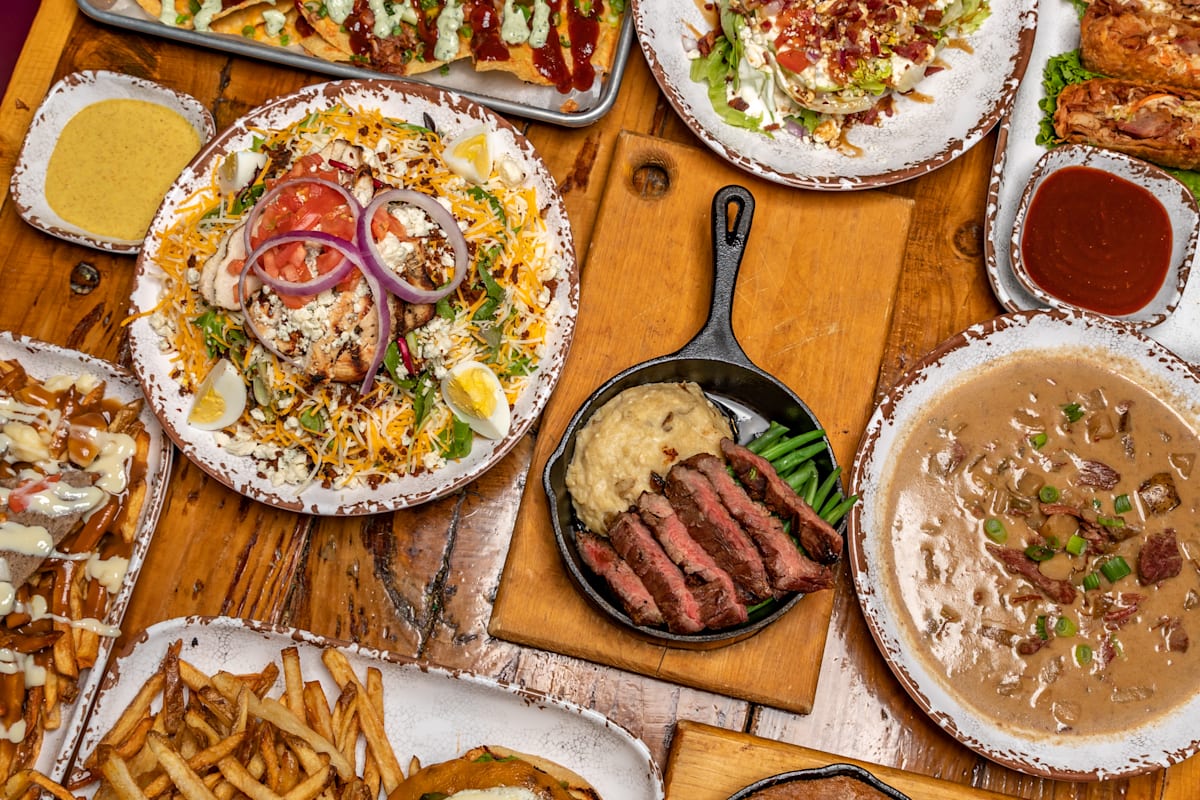
Canada’s cuisine is as vast and complex as the country itself. Stretching from the Atlantic Ocean to the Pacific and reaching deep into the Arctic, Canada encompasses forests, plains, coastlines, mountains, and tundra.
For thousands of years, these landscapes shaped how people gathered, prepared, and shared food. Long before Canada became a nation, Indigenous peoples developed sophisticated food systems adapted to local environments.
Later, European colonization, global trade, and modern immigration added new layers, transforming Canadian food into a dynamic reflection of history, geography, and identity.
Unlike cuisines rooted in a single dominant culture, Canadian cuisine is a culinary mosaic. It does not revolve around one national dish or flavor profile. Instead, it is defined by diversity, adaptation, and coexistence. To understand Canadian food is to understand Canada itself—its land, its peoples, its struggles, and its openness to change.
This article explores 20 foods that reflect Canada’s size and diversity, while tracing the historical forces that shaped them.
The First Food Systems of Canada
For over 15,000 years, Indigenous peoples lived across what is now Canada, developing food traditions deeply tied to the land. First Nations, Inuit, and Métis communities harvested food through hunting, fishing, gathering, and agriculture, guided by seasonal cycles and sustainable practices.
Key Indigenous foods included bison, caribou, moose, salmon, shellfish, corn, beans, squash, wild rice, berries, and medicinal plants. Preservation methods such as smoking, drying, fermenting, and rendering fat allowed survival through long winters.
These food systems were not primitive but highly advanced, emphasizing balance with nature. Much of early settler survival depended on Indigenous knowledge, though this contribution was long erased from mainstream narratives.
Bannock – Adaptation Under Colonial Pressure
Bannock is one of the most recognized Indigenous foods today. While flatbreads existed before European contact, modern bannock evolved during colonization when Indigenous peoples were forced off their lands and provided ration foods such as flour, sugar, and lard.
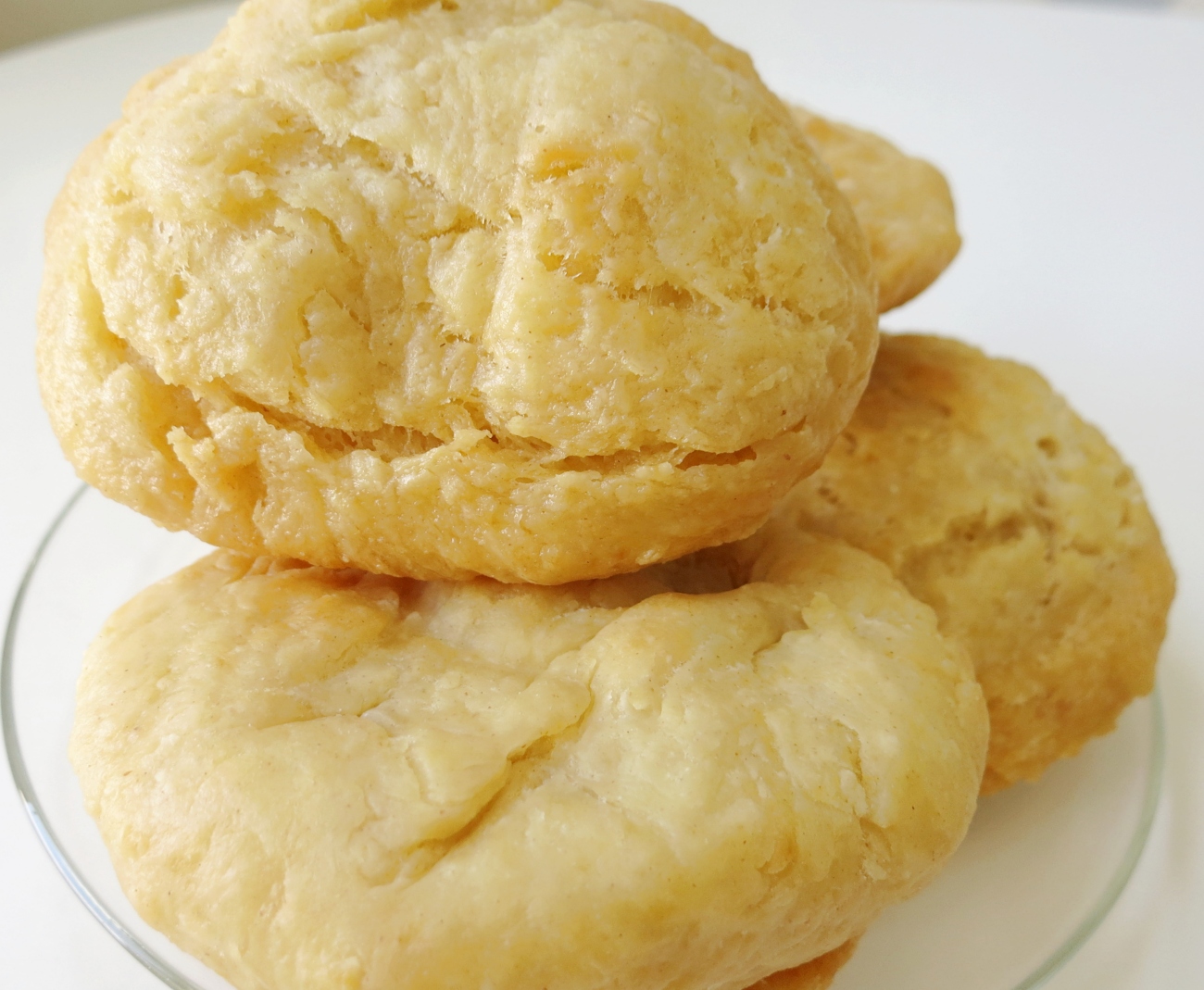
Out of hardship came adaptation. Bannock became a staple at community gatherings, ceremonies, and daily meals. Today, it is both a reminder of colonial disruption and a symbol of cultural resilience, increasingly reclaimed and reinterpreted by Indigenous chefs.
Pemmican – The Food That Built a Nation
Pemmican is a nutrient-dense mixture of dried meat (often bison), rendered fat, and sometimes berries. Developed by Plains Indigenous peoples, it was lightweight, long-lasting, and highly energizing.
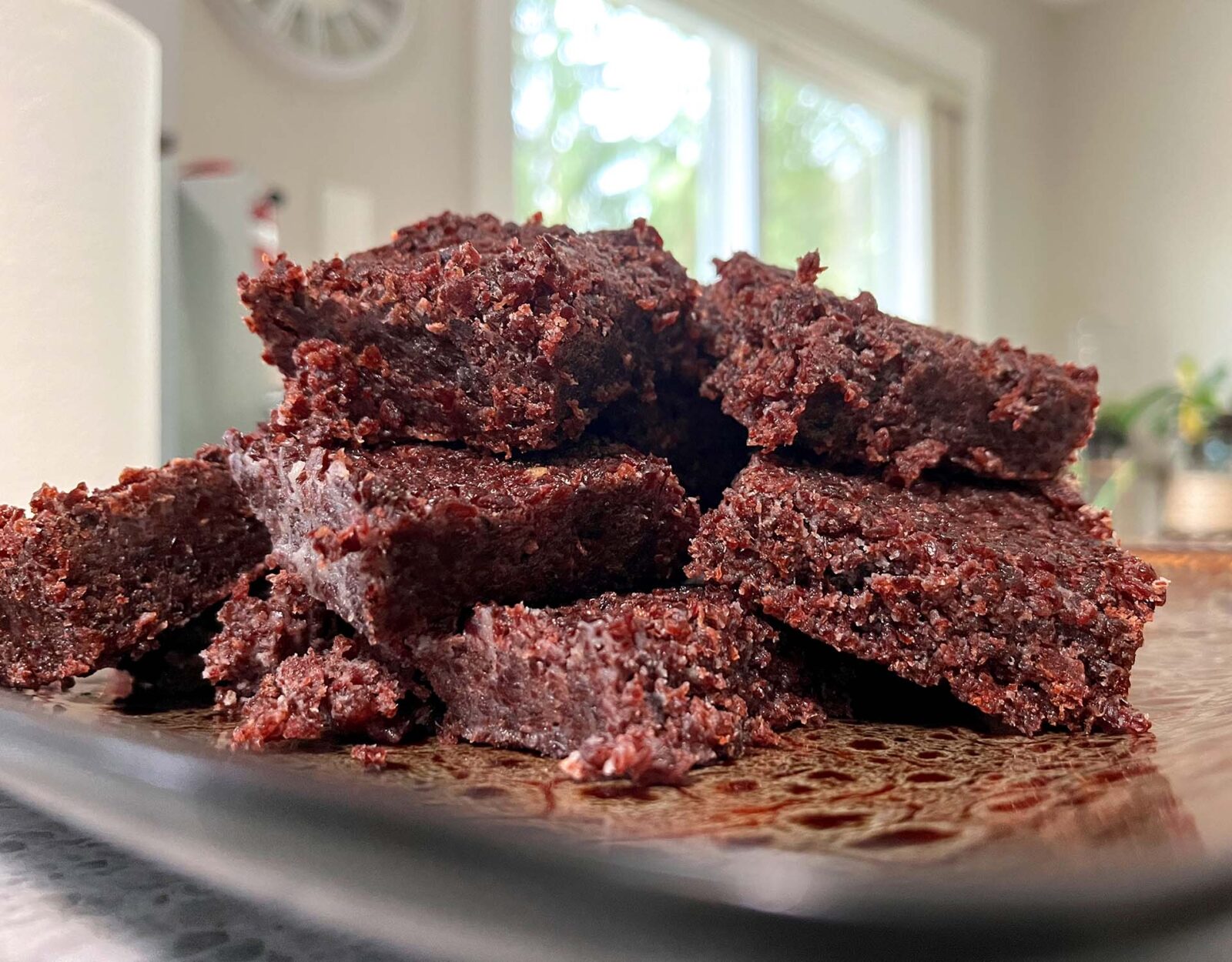
European fur traders relied heavily on pemmican during long journeys across Canada. Without it, exploration, trade routes, and settlement would have been nearly impossible. Pemmican represents Indigenous innovation and the overlooked foundations of Canadian expansion.
European Settlement and Colonial Influence
French and British settlers arrived in Canada beginning in the 16th and 17th centuries, bringing livestock, wheat, dairy, and European cooking techniques. Food became about survival—preserving harvests, baking dense breads, and preparing hearty meals for cold climates.
French influence took hold primarily in Quebec, while British traditions dominated Ontario and Atlantic Canada. These colonial foodways blended with local ingredients, creating distinctly Canadian adaptations.
Tourtière – French-Canadian Heritage in a Pie
Tourtière is a traditional meat pie associated with Quebec’s winter celebrations. Made with minced pork, beef, or game and warm spices, it reflects French culinary roots adapted to North American ingredients.
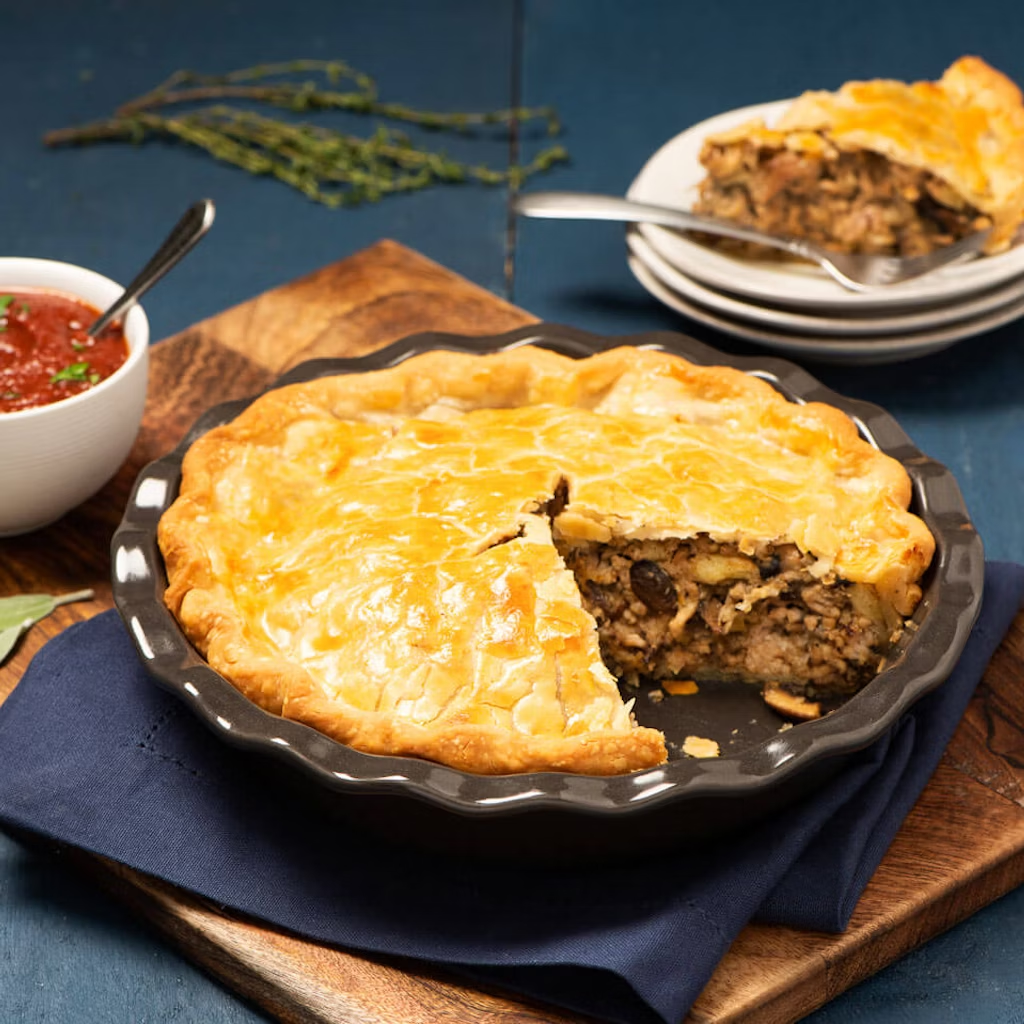 Served during Christmas and New Year’s, tourtière symbolizes family, faith, and continuity.
Regional variations highlight how even within one province, Canadian cuisine is not monolithic.
Butter Tarts – Pioneer Baking Traditions
Butter tarts emerged from early settler kitchens where ingredients were scarce but calorie-dense food was necessary. Made with butter, sugar, eggs, and pastry, they represent practicality and comfort.
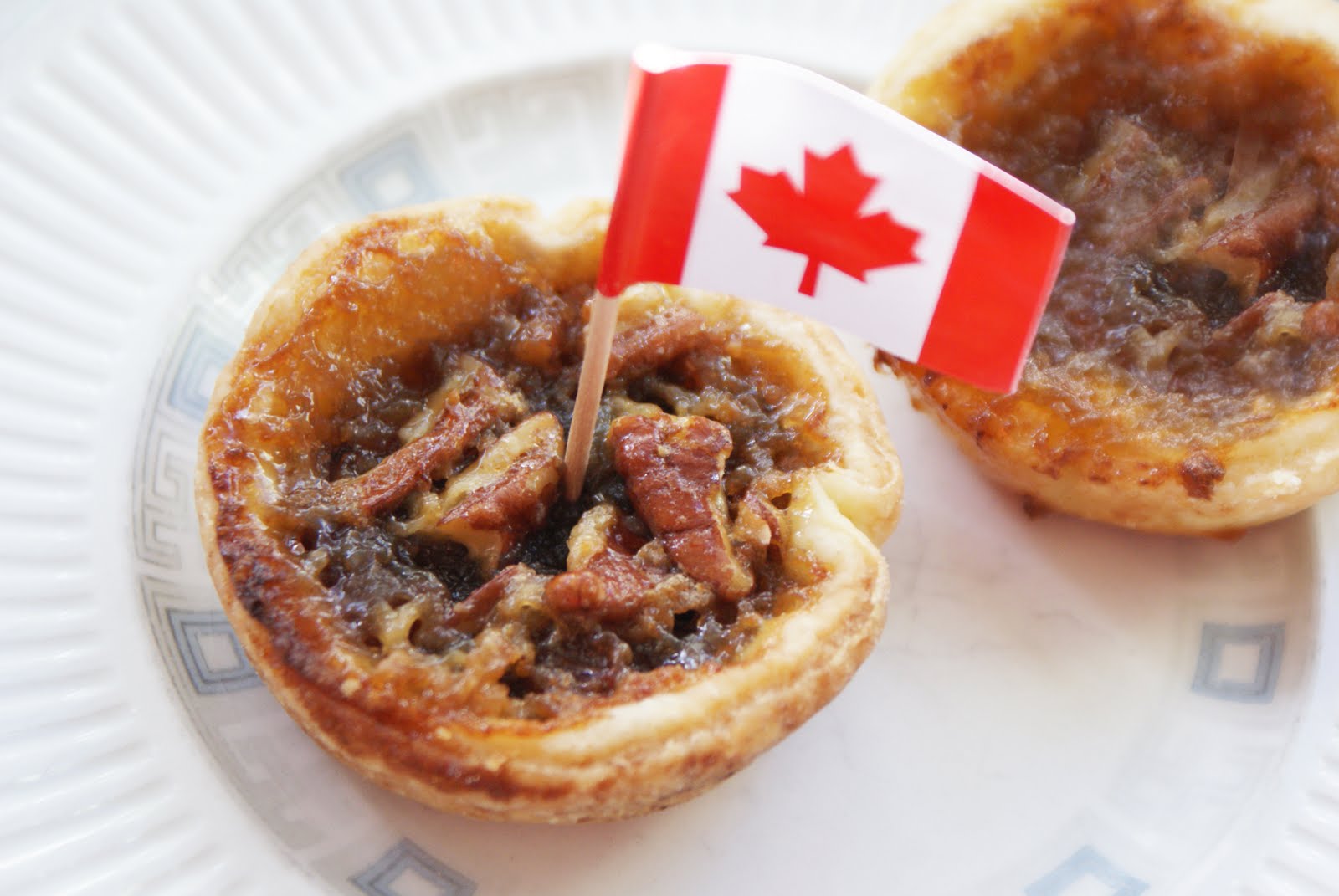 The ongoing debate over raisins or nuts underscores how deeply personal and regional Canadian food traditions can be.
Geography as Cuisine: Regional Food Identities
Canada’s immense size meant communities developed regional cuisines shaped by environment:
Atlantic Canada relied on fishing | The Prairies focused on grain and livestock
The Pacific coast emphasized seafood | Northern regions depended on preservation and seasonal harvests
These differences created strong local food identities that persist today.
Smoked Salmon – Pacific Coast Tradition
On the Pacific coast, salmon has been central to life for thousands of years. Indigenous peoples developed intricate fishing and smoking techniques that allowed salmon to be traded inland.
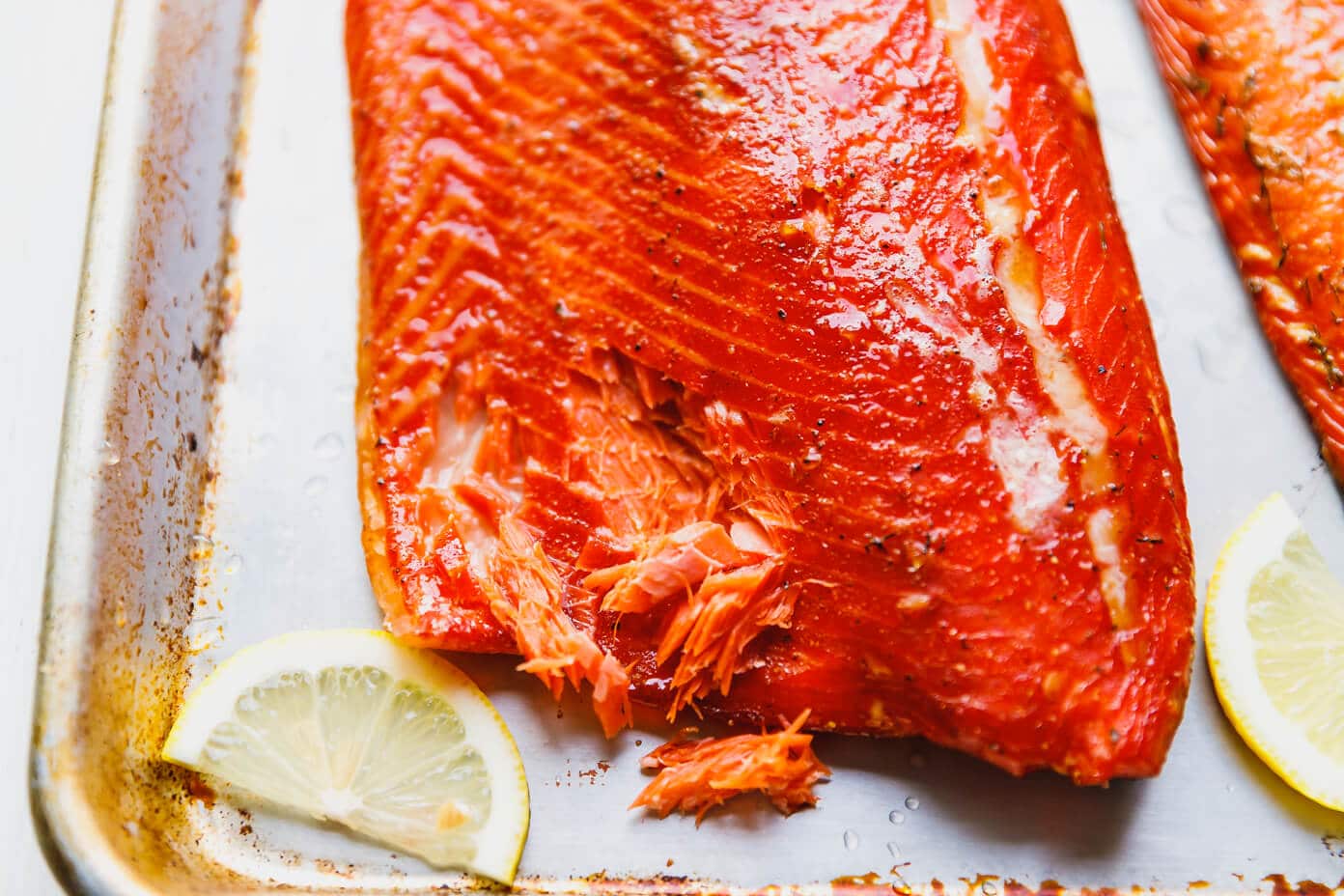 Modern smoked salmon continues this tradition, connecting Indigenous heritage with contemporary global cuisine.
Seafood Chowder – Atlantic Resilience
Seafood chowder reflects Atlantic Canada’s reliance on the sea. Combining fish, shellfish, potatoes, and cream, it evolved as a nourishing, economical dish.
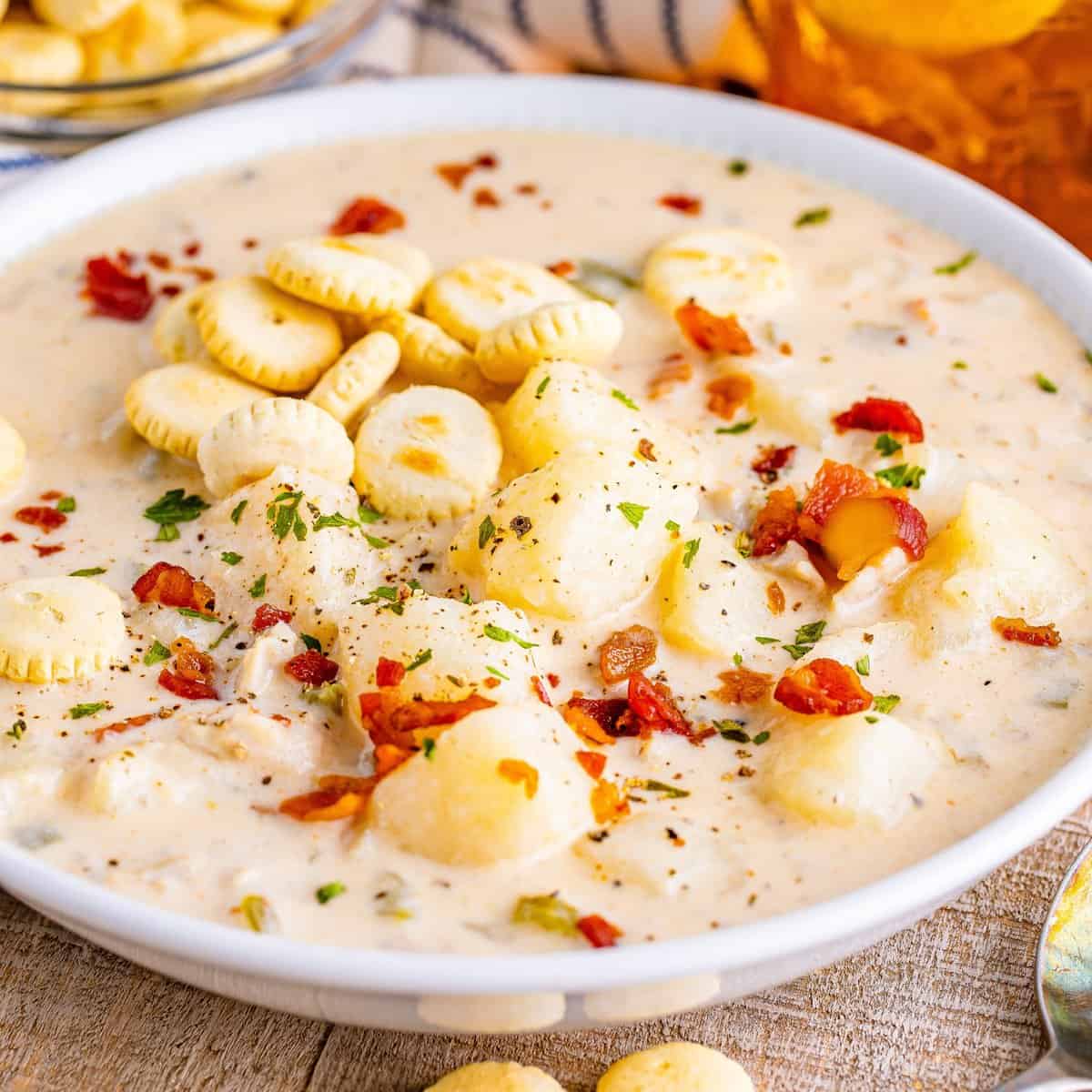 It represents maritime culture, community cooperation, and survival in harsh coastal conditions.
Immigration and the Transformation of Canadian Food
From the late 19th century onward, waves of immigrants reshaped Canada’s population. Jewish, Italian, Ukrainian, Chinese, South Asian, Caribbean, Middle Eastern, African, and Southeast Asian communities brought their food traditions with them.
Unlike assimilation-based models, modern Canada adopted official multiculturalism, allowing immigrant cuisines to flourish and integrate into mainstream culture.
Montreal Smoked Meat – Jewish Culinary Legacy
Introduced by Eastern European Jewish immigrants, Montreal smoked meat reflects Old World preservation methods adapted to Canadian tastes.
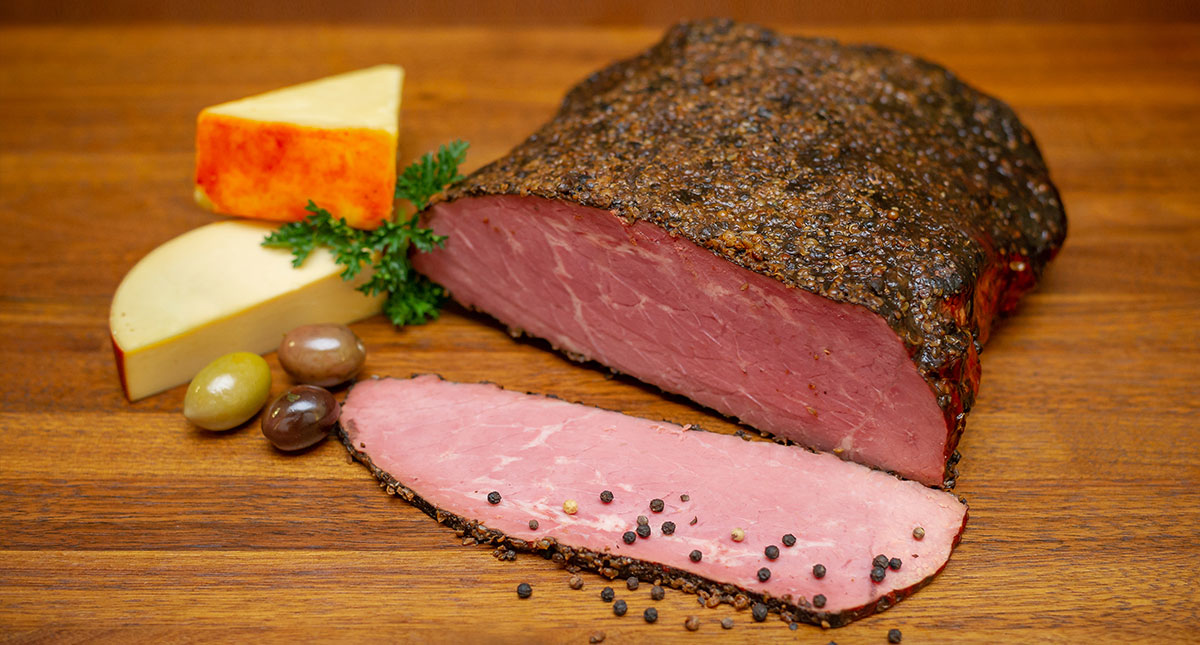 It became a defining food of Montreal, illustrating how immigrant foods become local icons.
Montreal Bagels – Tradition Preserved
Smaller and sweeter than New York bagels, Montreal bagels are boiled in honey water and baked in wood-fired ovens.
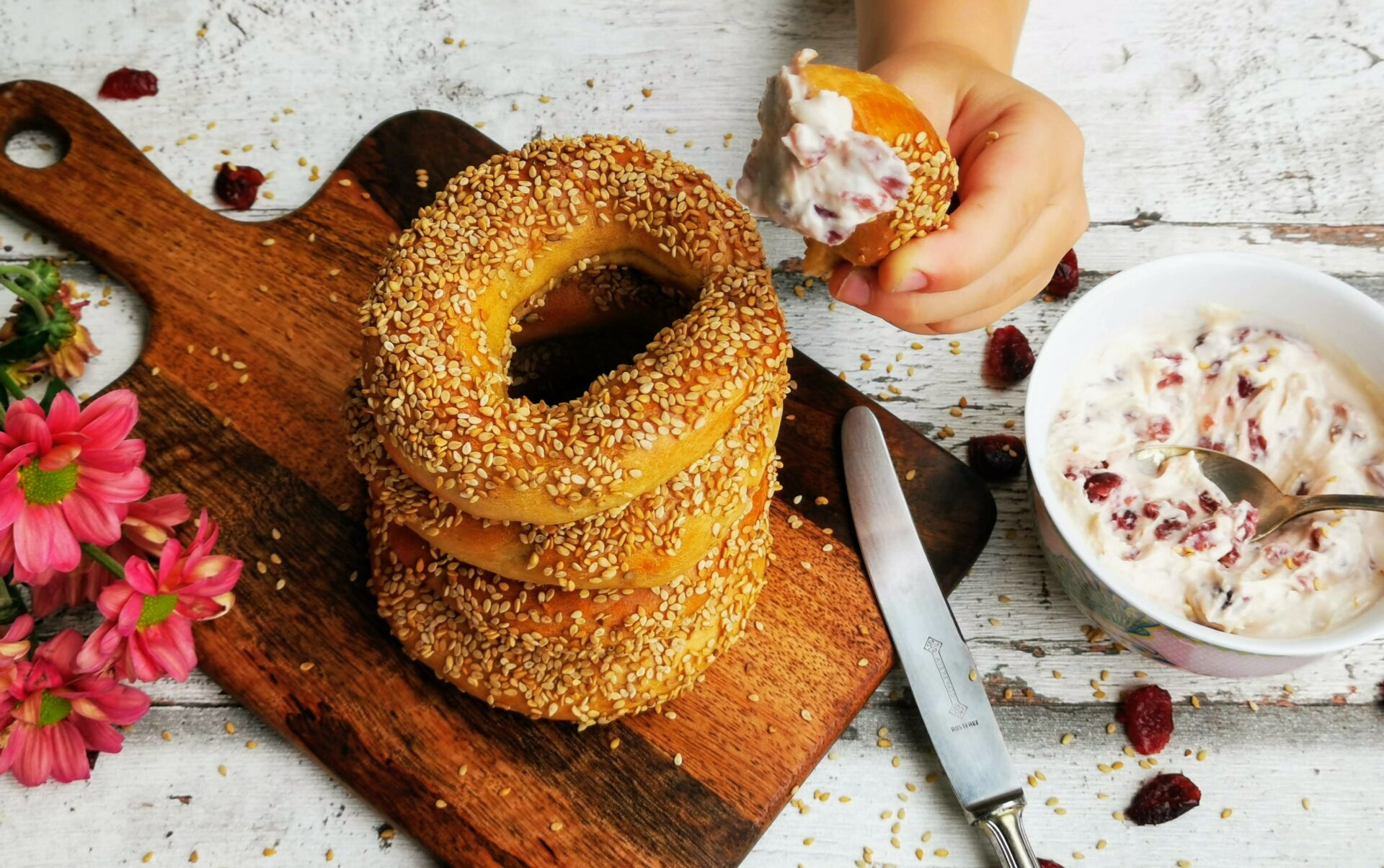 They represent cultural preservation, community identity, and the enduring influence of Jewish immigrants.
Donairs – A Global Dish Made Local
The Halifax donair, inspired by Middle Eastern shawarma, was adapted with a sweet garlic sauce to suit local preferences.
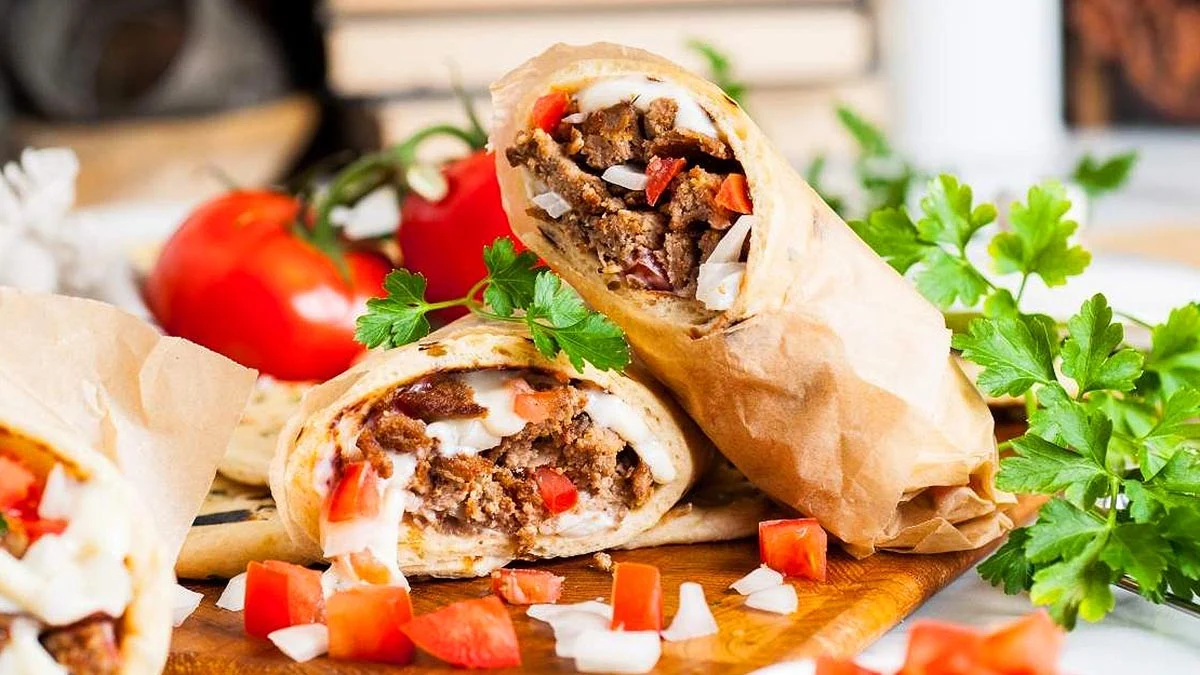 This transformation reflects how immigrant food evolves into something uniquely Canadian.
Prairie Life and Agricultural Identity
The Prairie provinces became Canada’s agricultural backbone. Wheat production helped define the national economy, while beef and later bison shaped regional cuisine.
Saskatoon Berry Pie – Foraged and Shared
Saskatoon berries were harvested by Indigenous peoples long before settlement.
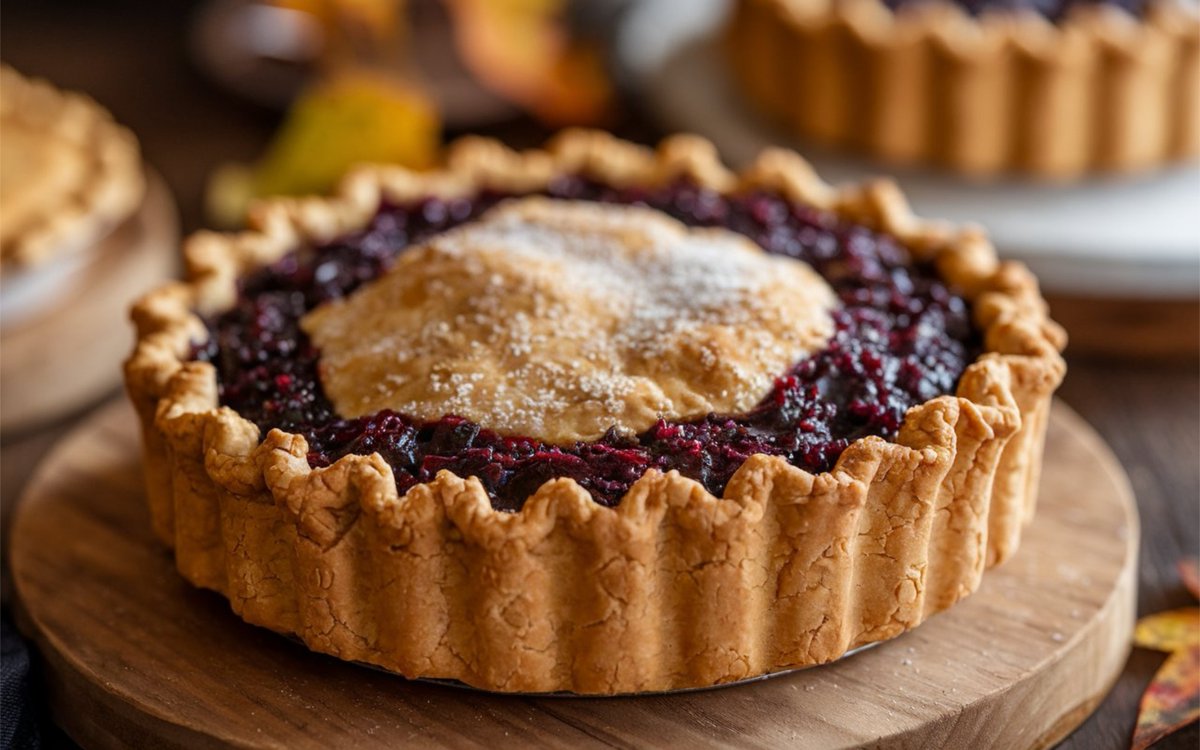 Their continued use bridges Indigenous and settler traditions, symbolizing shared landscapes.
Bison Burgers – Revival and Respect
Once nearly extinct due to colonial expansion, bison are returning through conservation efforts.
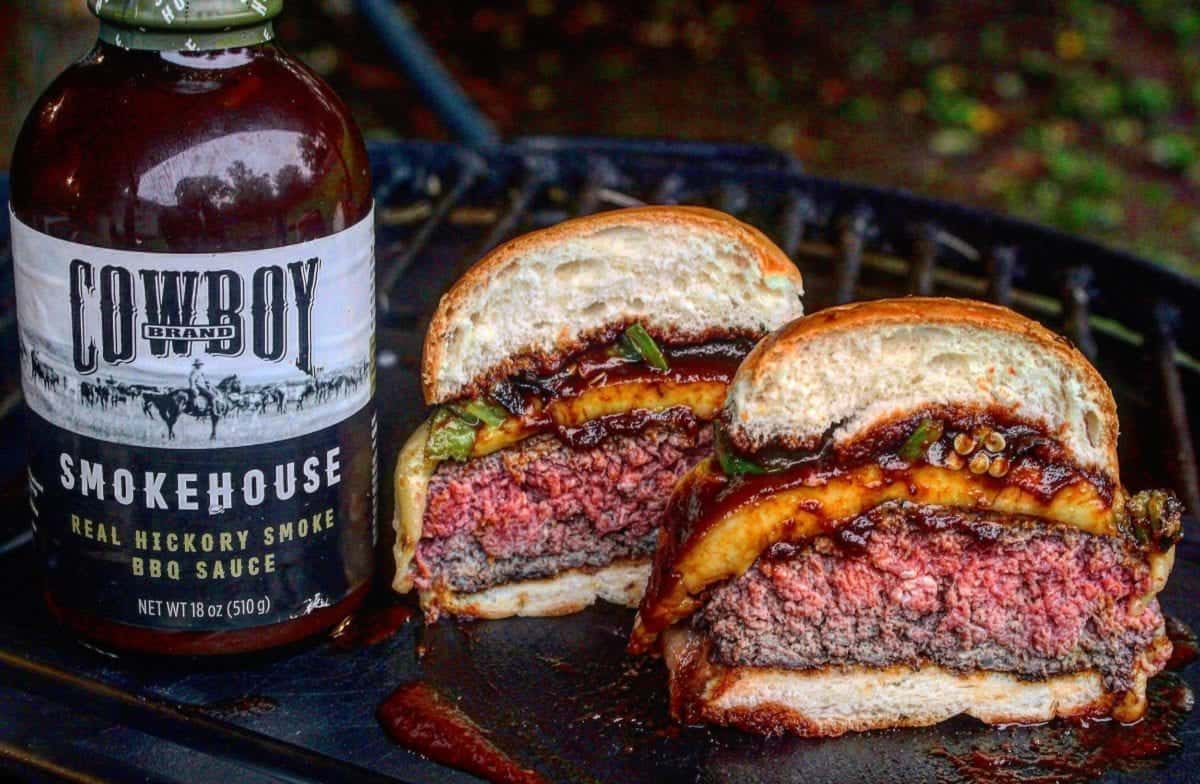 Bison burgers represent ecological restoration and renewed respect for Indigenous foodways.
National Symbols and Shared Identity
Some foods transcend region and become national symbols.
Maple Syrup – From Indigenous Knowledge to National Icon
Indigenous peoples first harvested maple sap, teaching settlers the process. Today, Canada produces most of the world’s maple syrup.
 It reflects seasonality, patience, and Canada’s forested landscape.
Poutine – From Margins to Pride
Born in rural Quebec, poutine was once dismissed as unsophisticated. Today, it is embraced nationwide and internationally.
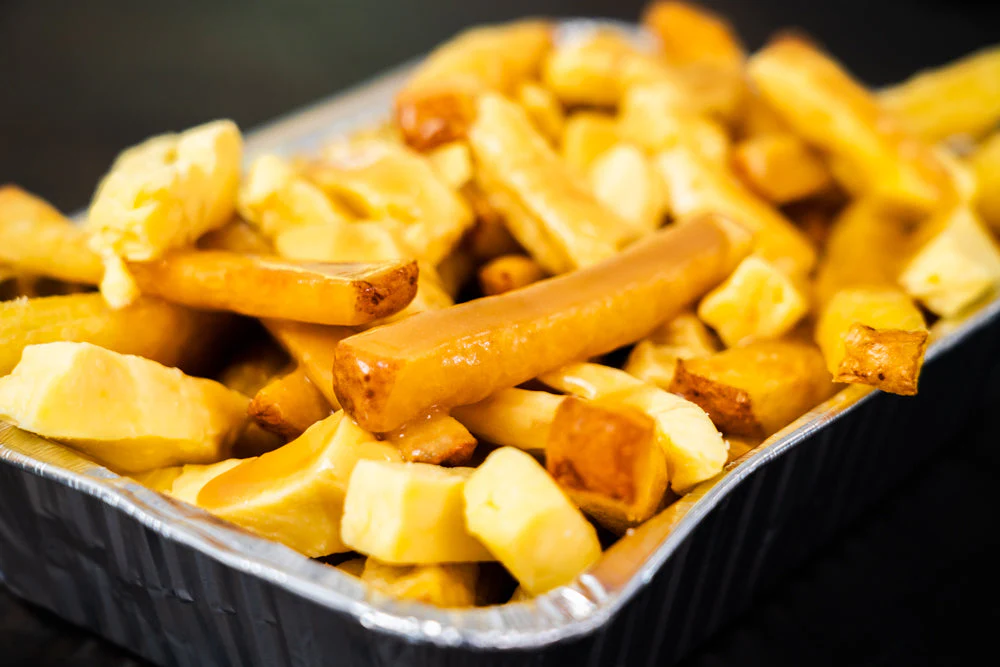 Its rise mirrors Canada’s embrace of humble origins and cultural pride.
Ketchup Chips – A Quirky National Taste
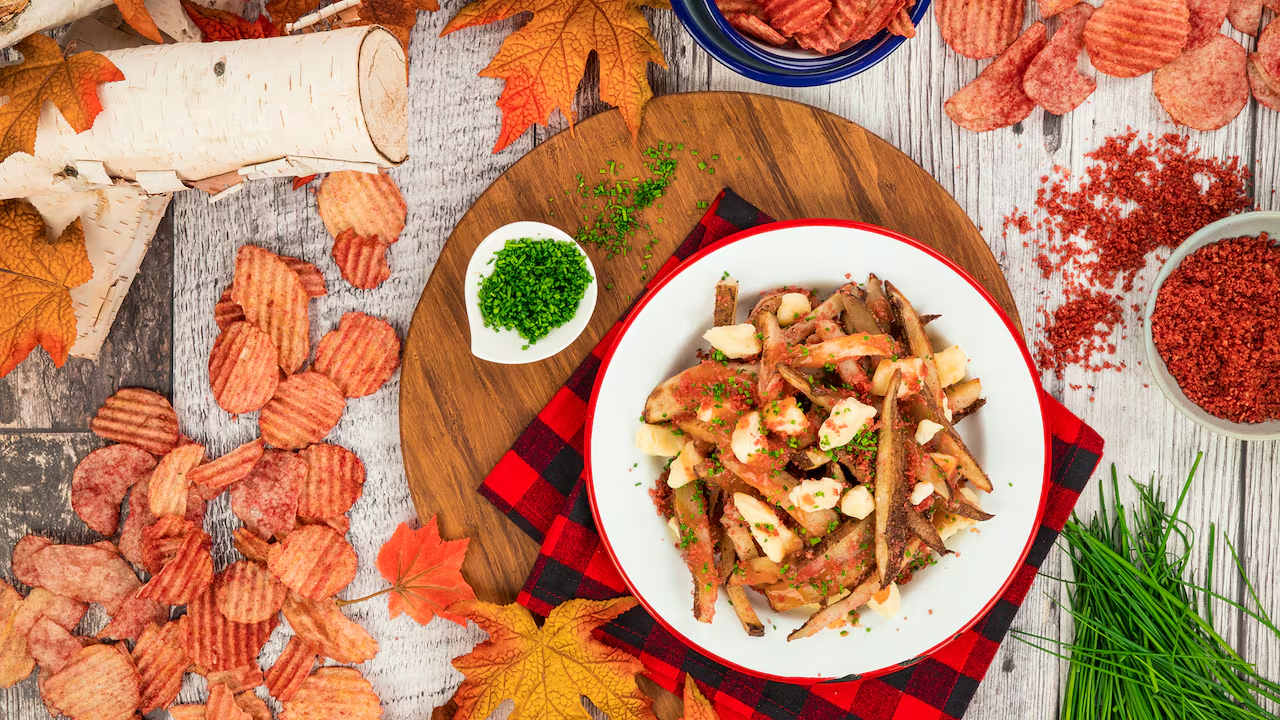
Rare elsewhere, ketchup chips reflect Canada’s playful, relaxed approach to food culture.
Caesar Cocktail – Inventiveness in a Glass
Invented in Calgary, the Caesar combines vodka, tomato-clam juice, spices, and bold garnishes.
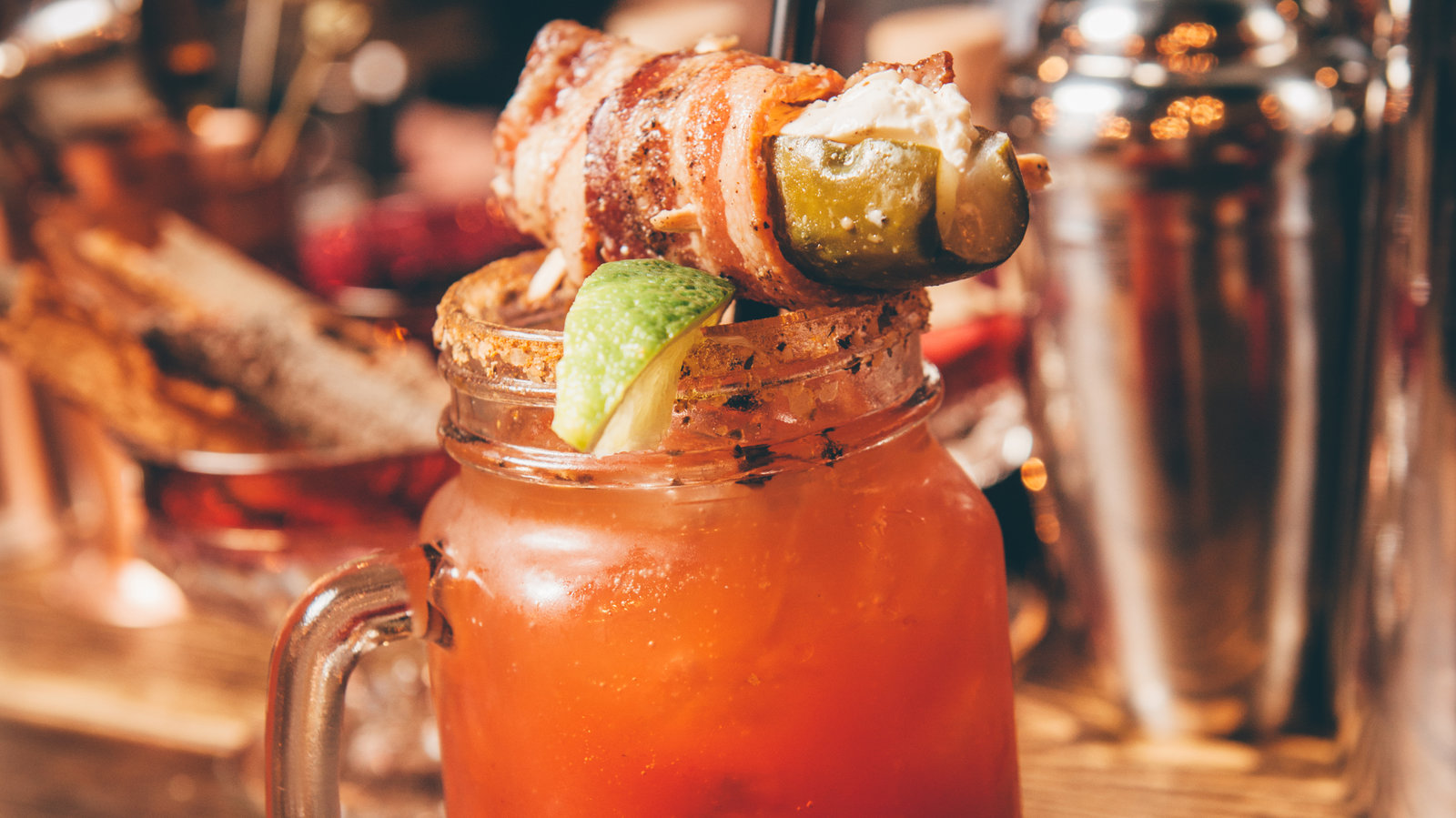
It highlights Canadian creativity and love for savory flavors.
Modern Multicultural Canada: Everyday Fusion
In contemporary Canada, foods like butter chicken, pho, shawarma, Caribbean patties, and Korean fried chicken are everyday meals.
These dishes are no longer “ethnic”, they are Canadian.
Immigrant-Driven Canadian Staples
Butter chicken poutine | Caribbean beef patties
Vietnamese pho | Korean fried chicken | Shawarma wraps
Together, they represent Canada’s living, evolving cuisine.
A Cuisine Still Being Written
Canadian cuisine is not finished. It continues to evolve through reconciliation with Indigenous peoples, immigration, climate awareness, and creativity.
What defines Canadian food is not uniformity, but inclusion—a willingness to adapt, share, and grow.
Like Canada itself, its cuisine is vast, layered, and still becoming.